
Google Pixel 10a smartphone debuts in Japan with optimized battery and 45 W fast recharge
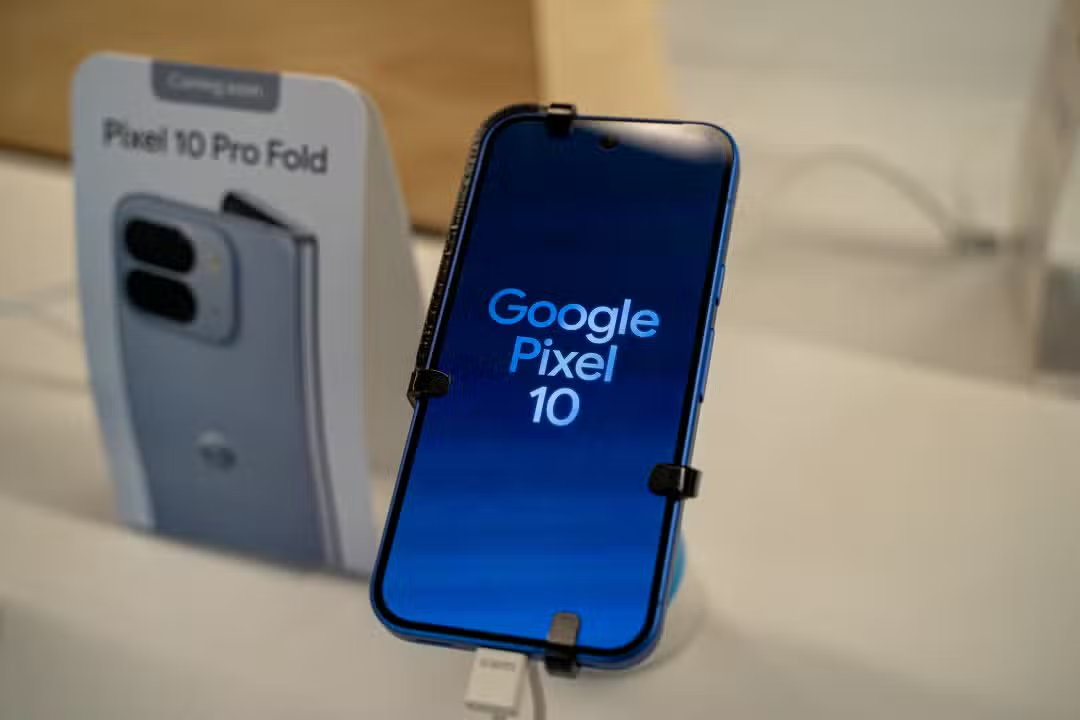
The North American manufacturer confirmed the official launch of its newest entry-level mobile device for the Asian market. The device, which makes up the brand’s most affordable line, is scheduled to arrive in April 2026 at Japão. The schedule established by the company foresees the start of the pre-sale period on April 8th, while general availability on physical and virtual shelves will take place from April 14th, following the local Japanese time zone.
The device has been in circulation on the Estados Unidos market since March 2026, where it was initially sold for the suggested price of US$499 in its base version, equipped with 128 GB of internal storage space. Para the Japanese public, financial projections and market analyzes indicate that the cost of the equipment should stabilize in the range of 80 thousand yen. Este estimated value already includes current exchange rate conversion rates and the application of local taxes on imported electronic products.
The commercial strategy adopted by the developer maintains the central focus on providing low-cost equipment, but which offers extended support for software updates. Esta approach aims to attract consumers who seek longevity in using the device without the need to invest the amounts charged for models classified as top of the line. The arrival on Japanese territory reinforces the brand’s policy of gradual expansion in strategic Ásia markets.
Distribution strategy and acceptance in the Asian market
The global launch of the equipment took place in March 2026, following the official announcement made in February of the same year. The introduction of the product in the Japão follows the manufacturer’s traditional logistics planning for the Asian region. Este regional calendar usually presents a delay interval when compared to the release dates for consumers of América, Norte and the European continent.
Japanese consumers depend heavily on local sales infrastructure, waiting for stocks to be released both at the brand’s official stores and at the network of authorized resellers and telephone operators. The country’s telecommunications infrastructure requires devices to undergo rigorous compatibility certifications with local 5G networks before being released to the end consumer.
One of the factors that has generated movement in the Asian retail sector is the inclusion of advanced connectivity tools in the entry model. The integrated support for satellite communication in emergency situations (SOS), combined with processing tools based on the Gemini system, raises the technical level of the device within its price category, creating an important competitive differentiator in Japanese showrooms.
Flat back structure redefines line aesthetics
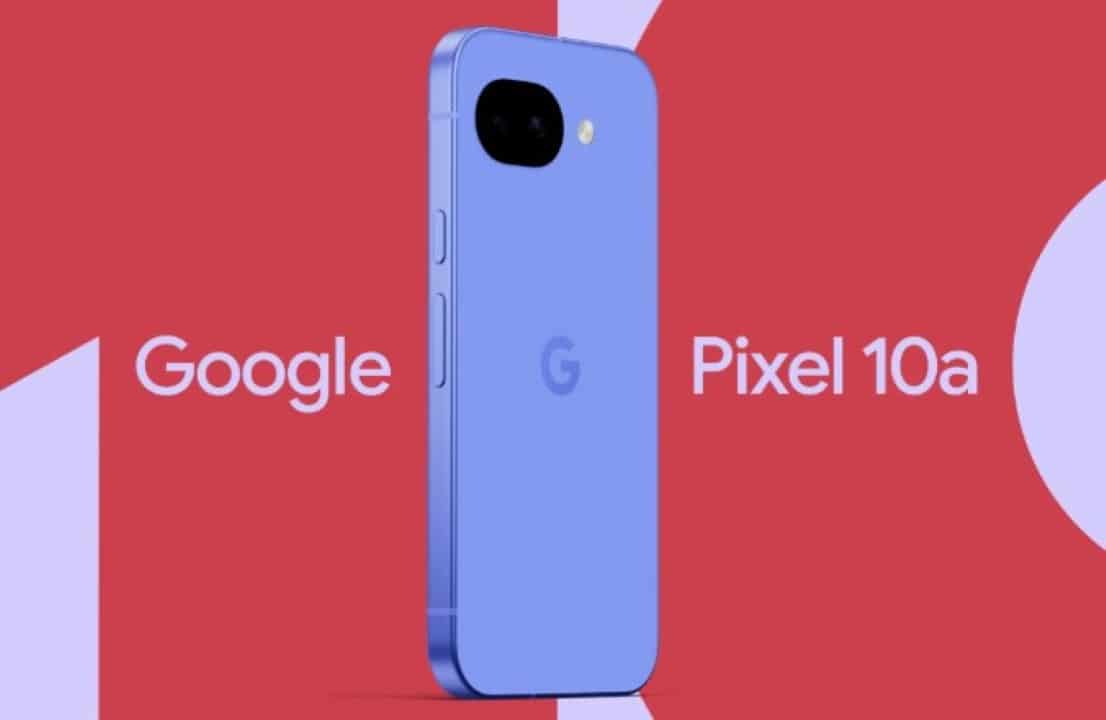
The most striking visual change of this generation lies in the adoption of a completely flat rear lid. The engineering team chose to eliminate the traditional horizontal protrusion that housed the camera module in previous versions. Esta structural change gives a more minimalist appearance to the equipment’s chassis, aligning with contemporary industrial design trends for mobile devices.
From a functional point of view, removing the lens relief allows the phone to rest completely stably on tables and other flat surfaces. The absence of flickering when touching the screen with the device supported resolves a frequent complaint from users of past generations. The physical construction combines an aluminum structure on the edges with a high-density plastic panel on the back, maintaining the tactile integrity of the product.
The color palette selected for the international and Japanese market encompasses four distinct options: Lavender, Fog, Obsidian and Berry. The variant called Berry has registered high levels of demand due to its vibrant reddish hue, which stands out among the more neutral tones traditionally offered in the mobile telephony segment.



While the transition to the flat form factor represents a notable aesthetic leap in direct comparison to the previous generation, the overall ergonomics of the device remain familiar. Users who frequently use protective cases report that changing the camera module changes the daily handling experience little, as the accessories naturally level the phone’s surface.
Improved screen and processing retained from the previous generation
The device’s front panel consists of a 6.3-inch OLED display, which operates at a fluid refresh rate of 120 Hz. The most significant technical advance in this component is the peak brightness, which now reaches the 3,000 nits mark. Este index represents a substantial gain compared to the 2,700 nits recorded in the previous year’s model, ensuring superior readability even under direct sunlight. The display’s protection is guaranteed by Corning Gorilla Glass 7i glass, a material specifically developed to offer greater resistance against deep scratches and accidental everyday impacts, surpassing the durability of the old Gorilla Glass 3.
In the processing core, the manufacturer chose to maintain the Tensor G4 architecture, the same chip used in the brand’s main line. The hardware works together with 8 GB of RAM, a configuration that ensures fluidity when switching applications and executing tasks in the background. Consumers can choose between 128 GB or 256 GB internal storage variants, without the possibility of expansion via memory cards. The rear photographic set is led by a 48 MP main sensor, accompanied by a 13 MP ultrawide lens, while the front camera also delivers 13 MP resolution, offering consistent results for recording casual images and publications on social networks.
Energy autonomy and evolution in recharging speed
The power supply system is supported by a battery with a capacity of 5,100 mAh. Testes laboratory and practical use evaluations indicate that the component is capable of providing more than 30 hours of autonomy under conditions of moderate use, including internet browsing, media playback and messaging. Operating system optimization plays a key role in managing energy consumption during periods of screen inactivity.
The technological leap most awaited by consumers occurred in the energy transfer system. Cable charging now supports a maximum power of 45 W, a value that represents almost double the 23 W capacity offered by the previous generation. Utilizando a plug adapter compatible with fast charging technology, the user can restore 50% of the battery’s total charge in just 30 minutes. The device also maintains the convenience of wireless charging, operating at the standard 10W.
Artificial intelligence integration and system longevity
The device leaves the factory running the most recent version of the operating system, Android 16, which features a clean and highly responsive interface. The software’s biggest attraction is the support policy established by the manufacturer, which guarantees the provision of security updates and new versions of the system for a period of seven years. Esta guarantee of longevity is a decisive factor for consumers who do not wish to change their phone annually. In the field of photography, the software integrates advanced computational processing resources, such as the Camera Coach tool, which helps the user with framing and ideal configuration for different lighting scenarios. Embora the most complex language processing and content generation functions of the Gemini system depend on connection to the cloud due to the limitations of local hardware, the integration of artificial intelligence in daily use is noticeable in organizing files, filtering unwanted calls and simultaneously translating texts and audios. Durante When running applications that require intense graphic rendering, such as three-dimensional games, the processor presents behavior consistent with its category, prioritizing thermal stability over the maximum frame rate per second, which guarantees continuous use without overheating the chassis.
Device positioning in the middle segment
The introduction of this model on the Japanese market consolidates the strategy of offering equipment that balances advanced features with a controlled acquisition cost. The maintenance of essential components from the previous generation, combined with specific improvements in flat design and loading speed, meets the demands of an audience that prioritizes operational stability and long-term software reliability. Integration with the developer’s ecosystem of services and prolonged support keep the device competitive compared to offers from other manufacturers in the competitive mobile phone sector.
Veja Tambem em News (EN)

Research reveals that parents are unaware of how their children use artificial intelligence

Samsung releases new system update with new features for Galaxy Watch 4 users

Digital retail reduces the value of the Galaxy S25 5G smartphone with bank bonuses and device exchange

Amazon’s wireless CarPlay adapter has a 50% discount and high approval ratings from drivers

Zach Cregger’s new Resident Evil ignores games and focuses on an unprecedented story with new characters

Rumor suggests that Nintendo is preparing a special edition of the Switch 2 with a remake of Ocarina of Time

Apple accelerates production of the iPhone 17e and develops new Air model with dual camera system

Epic Games platform releases twelve high-budget games at no permanent cost for PC users

PlayStation 5 Pro price drop accelerates digital retail sales and eliminates global stocks

New Galaxy Watch 9 firmware appears on server and confirms progress in software development

Apple’s commemorative project tests cell phone with 1.1 millimeter edge and curved screen for 2027
