
Google schedules the arrival of the Pixel 10a smartphone on the Japanese market with a flat design and 45W recharge


The technology giant confirmed the expansion of its line of mid-range smartphones to Asian territory. The device, which already began its commercial trajectory in the North American market at the beginning of March, is scheduled to arrive at Japanese retailers in mid-April. Este strategic move aims to consolidate the manufacturer’s presence in a highly contested sector, where consumers demand a precise balance between acquisition cost and advanced features. The pre-sale period must open days before official availability on physical and virtual shelves.
The suggested selling price for the Japão is set at 80 thousand yen, a figure that directly reflects the conversion of the price of 499 dollars charged for the Estados Unidos. Esta pricing policy aims to capture an audience that wants to access cutting-edge features without the financial commitment required by top-of-the-line models. The brand’s entry-level series has historically served as the main gateway to the company’s ecosystem, delivering a clean software experience and reliable hardware for everyday use.
The transition from the previous generation to the current one brings specific adjustments instead of a complete redesign of the project. The engineering team’s focus was on refining specific aspects of the user experience, such as battery recharge speed and chassis ergonomics, while maintaining the core architecture that defined the predecessor. Esta more conservative approach to product development generates mixed reactions among technology enthusiasts and ordinary consumers looking to exchange their old devices.
While a portion of users value the stability and predictability of the platform, another portion of the public was waiting for more aggressive innovations to face competing manufacturers in the intermediate segment. The smartphone comes equipped with the same processing unit found in the most expensive models in the current range, which ensures that fundamental artificial intelligence operations are carried out locally efficiently and quickly, without relying exclusively on cloud processing.
Visual changes and chassis construction
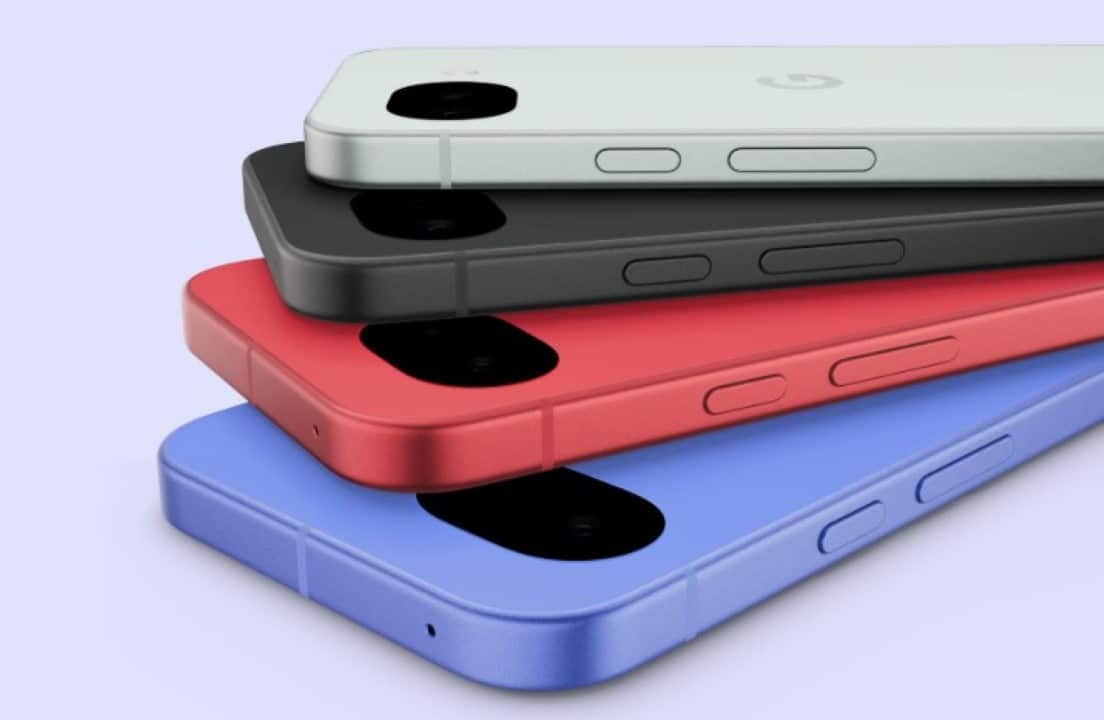
The most notable aesthetic change in this generation is the complete elimination of the rear camera module protrusion. The new design features a completely flat back, giving the device a more minimalist and refined visual appearance. Esta change resolves an old complaint from users who prefer to use the phone without protective covers, as the device can now be placed on smooth surfaces without presenting instability or unwanted rocking during typing.
The physical structure maintains the combination of materials already known in the category, using a resistant aluminum frame coupled with a high-quality plastic rear cover. The total weight of the device has been reduced to approximately 183 grams, making it slightly lighter and more comfortable for extended use with just one hand, compared directly to last year’s version.
The color palette offered for this generation seeks to meet different consumer profiles, from the most discreet to those who prefer flashy tones. The options available in the catalog include the color Berry, characterized by a vibrant and expressive red tone, in addition to the more traditional variants named Lavender, Fog and Obsidian, which offer more neutral and elegant finishes for the corporate environment.
Processor and operating system performance
The processing engine chosen to equip the device is the Tensor G4, the same chipset developed internally by the manufacturer for its high-cost devices. The component works together with 8 GB of RAM, a configuration that is suitable for managing multiple simultaneous applications. The internal storage options available to the end consumer are 128 GB or 256 GB, without the possibility of expansion via external memory cards.
The device leaves the factory running the Android 16 operating system, delivering fluid and responsive navigation in everyday tasks, such as internet browsing, media consumption and use of social networks. The software is specifically optimized for the hardware, which results in smooth screen transitions and quick opening of native apps.
In the entertainment and electronic games department, performance reflects the device’s positioning in the mid-range market. Títulos that require intensive graphics processing may experience drops in frame rate per second if visual settings are adjusted to the maximum level. Este behavior is an expected standard for the category and does not compromise the execution of casual or average games.
Screen specifications and physical resistance
The front panel consists of a 6.3-inch OLED technology screen, which delivers vivid colors and deep contrasts. The refresh rate reaches the 120Hz mark, providing extremely smooth text scrolling and system animations. The maximum brightness level was one of the biggest points of evolution, jumping from 2,700 nits in the last generation to an impressive 3,000 nits, which guarantees excellent readability even under direct sunlight.
The display protection has been updated to Gorilla Glass 7i glass, a material designed to offer greater resistance against accidental scratches and impacts resulting from falls from low heights. The overall durability of the equipment is reinforced by IP68 certification, attesting to protection against dust ingress and allowing temporary submersion in fresh water without damaging internal components.
One of the biggest attractions of the model is the software support policy established by the manufacturer. The device is guaranteed to receive operating system updates and security packages for a period of seven years. Esta feature significantly extends product life, keeping it protected against digital vulnerabilities and compatible with new applications for much longer than the industry average.
Energy capacity and charging evolution
The battery module maintains a nominal capacity of 5,100 mAh, enough volume to guarantee a full day of moderate use away from sockets. The energy efficiency of the new processor helps manage consumption, balancing energy expenditure during periods of system inactivity.
The main technical evolution of this generation lies in the energy supply system. Charging via cable has been substantially improved, now supporting a power of 45W, a significant jump compared to the 23W offered by the previous model. Magnetic induction charging also received improvements, going from 7.5W to 10W. Estas updates drastically reduce the time needed to restore the device to full charge, benefiting users with dynamic routines.
Photographic Setup and Software Features
The rear image capture array is led by a 48-megapixel main sensor, accompanied by a 13-megapixel ultra-wide-angle lens intended for landscape and large group photography. The front camera, dedicated to video calls and self-portraits, also has a resolution of 13 megapixels. The quality of the images generated perfectly meets the demands of publishing on social platforms, delivering accurate colors and a good level of detail in well-lit environments.
The camera software integrates automatic editing tools based on advanced algorithms, which help correct lighting and framing right after the click. However, the absence of a dedicated telephoto lens means that image approximation depends exclusively on digital zoom, revealing sharpness limitations when compared to premium category models from the same brand.
Hardware segmentation imposes some restrictions on the photography feature package. Ferramentas generative editing complexes, such as Magic Cue, are not available in this model due to processing and memory limitations compared to the Pro versions. The manufacturer chose to keep only the essential image enhancement features to ensure system stability.
Public reception and sales dynamics
The phased launch strategy adopted by the company reflects the global distribution logistics pattern. Após debuts in North American stores on March 5th, Japão’s arrival in April meets a specific schedule for the Asian region. Local consumers are awaiting official communications from telephone operators and authorized resellers to confirm the exact dates of stock availability.
Product positioning focuses on delivering the essence of the brand’s software experience at a more affordable price. The technical similarity with the previous generation indicates that the device is aimed at new buyers or users of very old phones, who prioritize operational stability and native integration with the company’s search and storage services.



