
Magnitude 2.8 earthquake shakes San Ramon, California, raising warnings about seismic safety

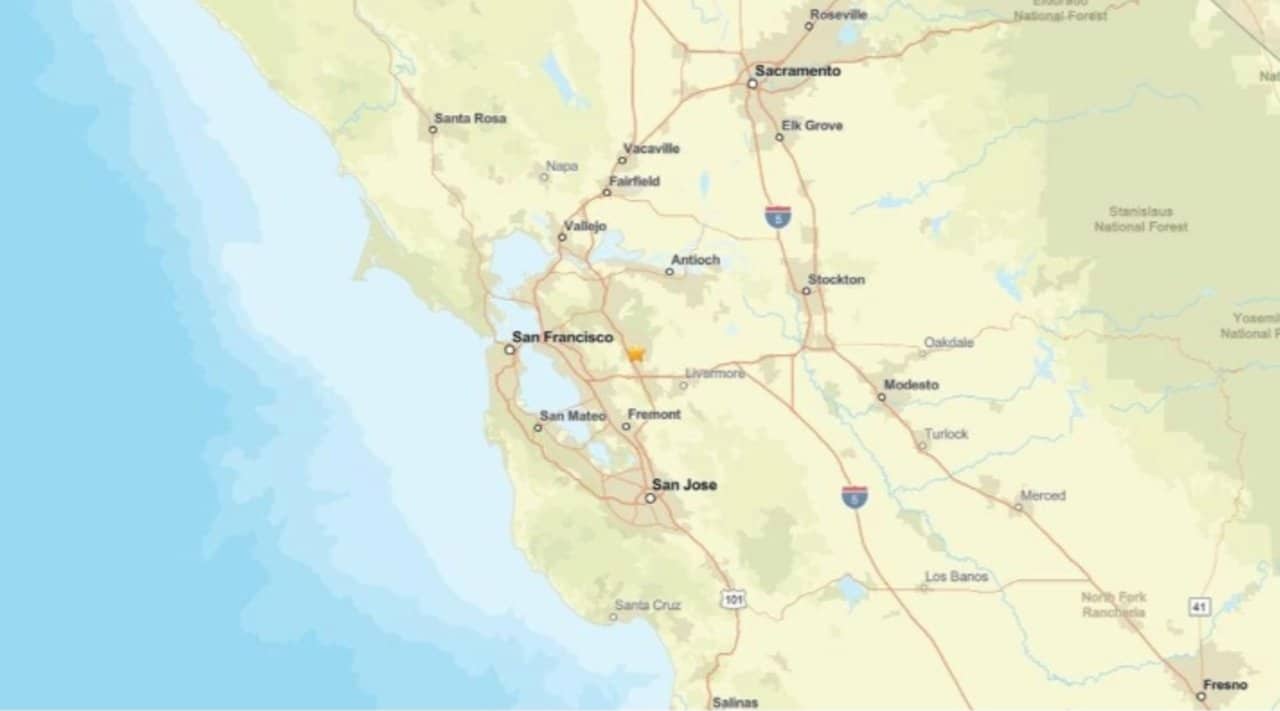
A magnitude 2.8 tremor was felt in the vicinity of San Ramon, Califórnia, on the morning of Monday, March 23. The seismic event, recorded by the Serviço Geológico of the Estados Unidos (USGS), occurred at 3:34 am and had its epicenter approximately 3 kilometers east-southeast of the city. Este incident, although of low intensity, reignites the debate about preparedness for earthquakes in the region and the importance of safety protocols.
The occurrence of this type of shaking is a constant reminder of the geological activity inherent in Califórnia, an area known for its propensity for tremors due to the presence of major tectonic faults. Moradores reported having felt the tremor, as indicated by initial data from the USGS, reinforcing the relevance of continuous monitoring systems.
The depth of the earthquake was estimated at 9.6 kilometers, a factor that could influence the perception of the tremor on the surface. Eventos Seismic strikes at this depth are common and generally cause more noticeable vibrations in areas close to the epicenter.
Tremor details and exact location
The epicenter of the earthquake was precisely located about 3 kilometers east-southeast of San Ramon, a city in Condado of Contra Costa, Califórnia. The area is known for its geological complexity, with several active faults nearby, including the Falha of Calaveras, which is a branch of the Falha of San Andreas. The timing of the tremor, in the early hours of the morning, caught many residents by surprise, but there were no immediate reports of significant damage.
Despite the low magnitude, the proximity to densely populated areas always generates concern and mobilizes local authorities to monitor the situation. The USGS has been instrumental in quickly disseminating information, allowing the public and emergency services to act in a coordinated and informed manner, even in smaller events like this.
The seismic scale and the perception of magnitude
The magnitude of an earthquake measures the energy released at the source of the seismic event, as explained by the Serviço Geológico of the Estados Unidos (USGS). Essa measurement replaces the old Richter scale, offering a more accurate assessment of tremor strength. Terremotos with magnitudes between 2.5 and 5.4 are often felt by people but rarely result in major structural damage, according to seismology experts. Tremores with magnitude less than 2.5 are mostly imperceptible to most people. The 2.8 earthquake in
Risks and areas of occurrence of earthquakes
The sudden, rapid tremors associated with earthquakes can trigger a range of secondary hazards, including fires, tsunamis (especially in coastal regions, although not applicable to San Ramon), landslides and avalanches. Esses events can occur anywhere in the world, but are significantly more common in regions such as Alasca, Califórnia, Havaí, Oregon, Porto Rico and Essas areas are closely monitored by agencies such as the US Departamento due to their heightened risk.
It is estimated that, annually, there are around 500,000 detectable earthquakes across the planet, a number that demonstrates the constant movement of tectonic plates. Desses, approximately 100,000 are felt by people, and approximately 100 are capable of causing significant damage. Esses data highlights the importance of understanding the associated risks and being prepared, especially in areas prone to these natural phenomena, such as Califórnia.
Essential safety protocols during tremors
In earthquake situations, immediate and correct action can save lives. The main recommendation from experts is to protect yourself quickly, following the protocol known as “duck, protect and hold”. Este simple but effective guide is designed to minimize the risk of injury during earthquake.
For anyone inside a vehicle, the advice is to stop the car immediately and apply the parking brake, waiting for the shaking to end. At home, if you are in bed, the ideal is to turn over on your stomach and use a pillow to protect your head, preventing objects from falling.
If the tremor occurs while the person is outdoors, it is crucial to move away from buildings, trees and poles and seek an open place. Dentro from home, the safest thing is to stay in place, away from doors and windows, seeking shelter under a sturdy table or next to an internal wall.
Stooping down, protecting your head and neck with your arms, and holding on to something firm, such as a sturdy table, are essential actions. If there is no shelter, crawl to an inside wall away from windows.
The importance of preparation and post-event alerts
Preparing for an earthquake does not end with actions during the tremor; the post-event period is equally critical and fraught with potential risks. Authorities warn of the possibility of serious dangers after a quake, such as significant damage to buildings, gas and water leaks that can lead to explosions and flooding, and downed power lines, posing risks of electrocution and fires. Por isso, é fundamental manter a cautela e evitar áreas afetadas.
Além desses perigos imediatos, é esperado que tremores secundários, conhecidos como aftershocks, ocorram após o tremor principal. Estes can vary in intensity and continue for days, weeks, or even months, depending on the strength of the initial earthquake. Estar prepared to duck, protect and hold on again is essential with each new shock, ensuring the continued safety of the population.
Communication and information reporting are also crucial. If an individual felt the earthquake, they can and should submit a report using the USGS form Relatório of Sentido. Esses reports provide valuable data to seismologists, helping to more accurately map the affected area and the perceived intensity of the shaking, contributing to seismic understanding and research.
Keeping an emergency kit with water, non-perishable food, a flashlight, a battery-powered radio and essential medicines is a preventative measure that can make a difference. Califórnia, given its seismic history, emphasizes the need for family evacuation plans and safe meeting points, ensuring everyone knows what to do in the event of a major event.
California’s seismic history and the science behind the tremors
The Califórnia is recognized worldwide as one of the regions with the greatest seismic activity, a reality shaped by its location on the border of two large tectonic plates: the Placa of the Pacífico and the Placa Norte-Americana. The Falha of San Andreas, one of the most famous and active in the world, runs through a large part of the state, being the main responsible for frequent earthquakes. The constant interaction between these plates generates tensions that, when released, result in tremors of different magnitudes, impacting the lives of millions of inhabitants in the region.
The science behind earthquakes involves the study of seismology, which monitors the seismic waves generated by these underground movements. The USGS uses a vast network of sensors to record even the smallest tremors, contributing to the research and development of early warning systems. Compreender local geology, such as the presence of faults such as Hayward and Calaveras in the vicinity of San Ramon, is vital for assessing risks and implementing mitigation strategies. Public education about the nature of earthquakes and safety measures is a fundamental pillar of Califórnia’s seismic resilience.
How technology helps with detection and communication
Modern technology plays an indispensable role in detecting, monitoring and communicating seismic events. Ferramentas like CA Earthquake Bot, who generated the original news about the tremor in Essa automation allows for rapid dissemination of crucial information, reaching the population and authorities in times of need. Além Additionally, advanced sensor-based early warning systems can provide seconds or even tens of seconds of warning before the strongest seismic waves hit an area, giving people time to seek shelter and critical systems such as elevators and emergency services to prepare for impact. The constant improvement of these technologies is a pillar in the global seismic safety strategy.



