
Manufacturer Poco announces new smartphones with 8500 mAh battery and HyperOS 3 system on the market

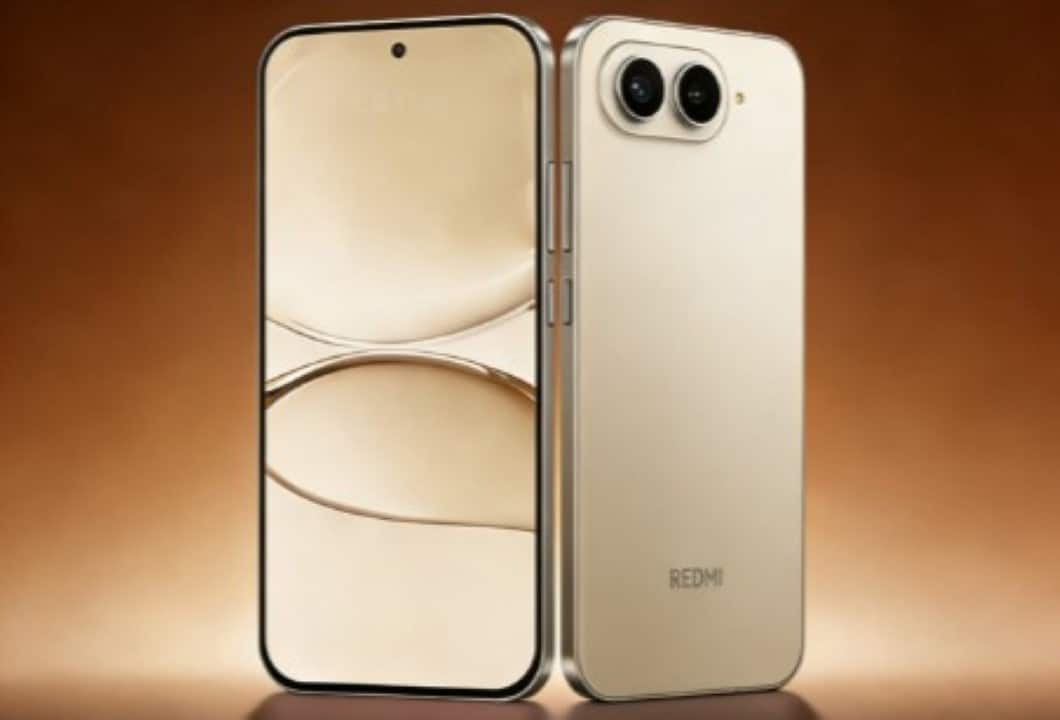
The Asian mobile device manufacturer confirmed the arrival of its latest generation of mid-premium category devices on international shelves. The movement formalizes the launch of hardware designed to raise performance and autonomy standards in the competitive telephone segment. Engenheiros of the brand directed development to serve consumers who demand high processing capacity in games and stability in daily productivity tasks.
The great difference of this new family of cell phones lies in the application of advanced energy storage and data processing technologies. The internal architecture has been completely redesigned to accommodate robust components while maintaining the ergonomic design and reduced thickness. The operating system responsible for hardware management is the newly developed HyperOS 3, based on the foundation of Android 16. Esta software integration guarantees a fluid navigation interface and ensures continuous receipt of essential security packages for user protection.
Suggested prices and distribution schedule
The global distribution calendar establishes the arrival of devices in virtual and physical stores from the end of the first quarter. The manufacturer’s aggressive pricing policy was maintained to ensure the devices’ competitiveness against direct competitors, with simultaneous sales in the main markets of Ásia and Europa shortly after the official presentation. The standard version of the line has a suggested starting price on the European market of 399 euros, which represents approximately 2,425 reais in direct conversion, without considering import taxes.
The Pro Max model, equipped with 12 GB of RAM and 512 GB of internal storage, requires an investment starting at 529 euros, reaching around 3,215 reais at the same price. The manufacturer preserved the brand’s characteristic visual identity, but incorporated superior materials into the structure to increase the durability of the devices. The metal chassis, which replaces the predominantly plastic finish of previous generations, provides greater structural resistance to the equipment during intense daily use.
Processing architecture and energy capacity
The processing core of the most advanced model is powered by the MediaTek Dimensity 9500 chip, a newly announced platform focusing on energy efficiency and raw computing power. Este processor works in conjunction with the Immortalis-G925 MC12 graphics unit, developed specifically for rendering complex three-dimensional scenes. Ambos cell phones use the LPDDR5x RAM memory standard to accelerate the transition between simultaneous tasks, while the standard version of the series is equipped with the Dimensity 8500 processor.
The main innovation of the new generation is found in the battery module, which adopts silicon-carbon anode technology in its chemical composition. Esta structural change allows storing a significantly greater amount of energy in a smaller physical space. The Pro Max model breaks category records by incorporating a power cell with a total capacity of 8500 mAh. The standard device in the line also presents impressive numbers, with a 6500 mAh battery that guarantees long periods of uninterrupted operation without the need for recharging at the socket.
Screen and image capture specifications
The smartphones’ visual interaction interface is built on high-resolution AMOLED technology panels, optimized for color fidelity and deep contrasts. The larger device has a 6.83-inch screen with an exact resolution of 2772 x 1280 pixels, while the display refresh rate reaches 120 Hz. The maximum brightness of the panel reaches 2000 nits, a technical specification that facilitates the use of the device on the streets by guaranteeing perfect reading of the information displayed even in direct sunlight in outdoor environments.
The image capture system has been revamped to meet the demands of contemporary mobile photography, utilizing high-resolution sensors equipped with native optical stabilization. The most advanced smartphone in the series uses the 50-megapixel Omnivision Light Fusion 600 sensor as the main lens, with a focal aperture of f/1.50. The component used in the standard version is the Sony IMX882 sensor, also with 50 megapixels of resolution and optical stabilization. The front camera has a 20 megapixel sensor dedicated to recording self-portraits and making video calls in high definition, complementing the equipment’s photographic set.



