
New Poco F8 line hits the global market with Snapdragon 8 Elite processor and long-lasting battery


Electronics manufacturer Poco, a subsidiary of Chinese giant Xiaomi, officially launched its latest generation of smartphones aimed at the high-performance segment in the international market. Durante an event digitally broadcast to several countries, the brand revealed the F8 Pro and F8 Ultra models, which arrive to update the company’s portfolio and increase competition in the premium mobile devices sector. The company’s strategy involves delivering robust technical specifications combined with a renewed design, seeking to attract consumers who demand processing speed and construction quality. The announcement reflects the manufacturer’s continuous effort to maintain its relevance among the most demanding users, offering devices that support everything from everyday tasks to applications with high graphic and computational demands. The global smartphone market is closely watching the movements of the subsidiary, which built its reputation based on delivering advanced hardware. The introduction of this new line represents a significant step in consolidating the brand in the current technological scenario, establishing new parameters for the next launches in the sector.
The main highlight of the ad is the processor chosen to power the brand’s new devices. Ambos the devices feature the Snapdragon 8 Elite chipset from Qualcomm, reaffirming the company’s commitment to delivering cutting-edge hardware to its users. The integration of this component guarantees fluid navigation and immediate responsiveness to operating system commands.
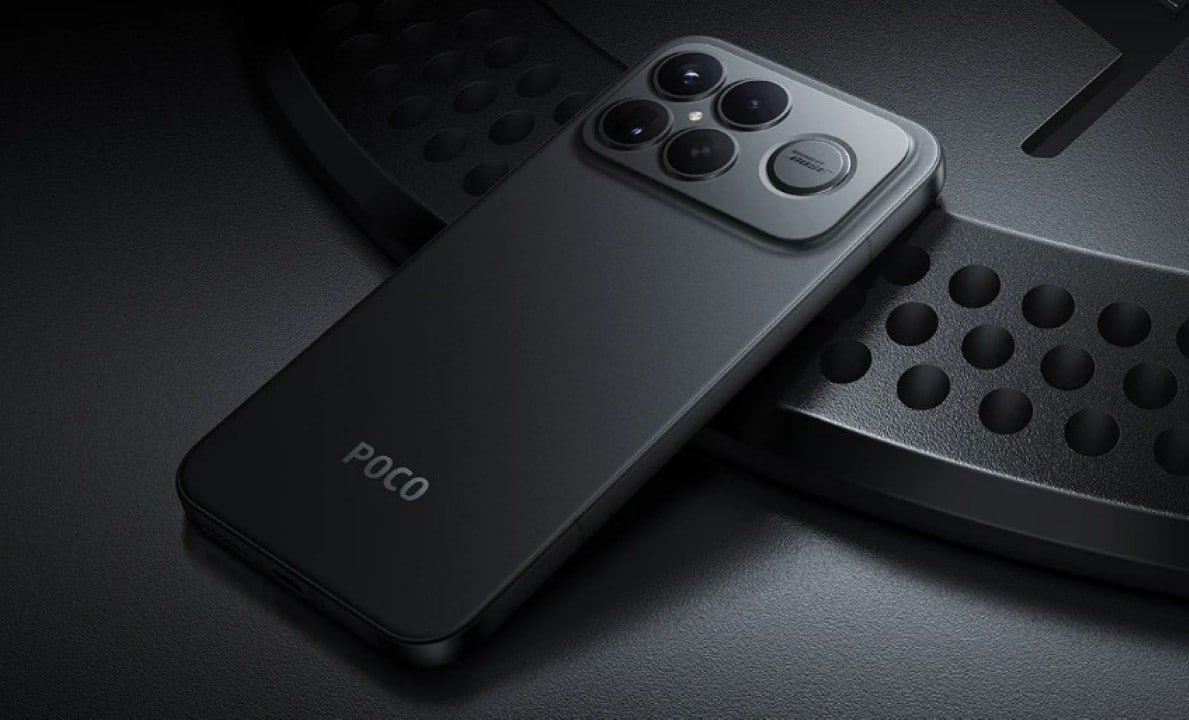
In addition to raw processing power, the manufacturer confirmed an unprecedented collaboration with audio company Bose. The objective of this partnership is to raise the standard of sound quality in voice calls and the reproduction of various media. The union between the brands promises to deliver a more immersive and clear listening experience for consumers.
Processing architecture and cooling system
The implementation of the Snapdragon 8 Elite processor requires engineering design focused on heat dissipation, especially when the device is subjected to intense workloads such as high-end gaming or high-resolution video editing. To ensure that the hardware operates without overheating, the company developed and integrated the proprietary LiquidCool technology combined with the IceLoop 3D system. Este advanced cooling mechanism was designed to act continuously, monitoring internal temperatures and distributing heat evenly throughout the device’s structure. Thermal efficiency is a determining factor in the longevity of electronic components and maintaining frame rate during prolonged use. Engenheiros from the brand highlighted that the internal architecture was completely redesigned to accommodate this new system without compromising the thickness or final weight of the smartphones. The result is a device capable of sustaining maximum performance for extended periods, minimizing thermal bottlenecks that often affect high-performance devices.
The detailed operation of the cooling system involves precise technical specifications to move heat away from vital components. The structure acts directly on the motherboard and main chipset. The core features of this mechanism include the following operational points:
– Área thermal dissipation expanded to 6,700 mm².
– Utilização of strategic convex layers to direct the heat flow.
– Manutenção of operating system stability during long usage sessions.
Screen specifications and photo quality
The most advanced model in the series, called F8 Ultra, features a rear optical assembly made up of three distinct sensors designed to cover different image capture scenarios. On the front, the device is equipped with a 32-megapixel camera, suitable for high-definition photography and video calls with superior clarity.
In contrast, the F8 Pro version adopts a slightly more compact format, featuring a 6.59-inch display with 1.5K resolution and OLED technology. The main camera system follows the triple configuration, but the front sensor has been adjusted to 20 megapixels, seeking a balance between production cost and features offered to the end consumer.
Power management and battery life
Energy autonomy has received significant improvements in this new generation of the brand’s smartphones. The Ultra model has a robust battery with a capacity of 6,500 mAh, designed to withstand long periods of use without the need for frequent recharging.
The Pro variant, in turn, has a capacity of 6,210 mAh, a number that still stands out compared to many direct competitors in the current market. Esta configuration ensures that the device keeps up with the daily rhythm of users who depend on their phone for work and entertainment.
Both devices are fully compatible with fast charging technologies developed by the manufacturer. Este feature facilitates the routine of those who need extra energy in short periods of time, optimizing the time connected to the socket.
Ecosystem expansion and device integration
In addition to cell phones, the brand took advantage of the global event to expand its product portfolio with the announcement of the Poco Pad X1 and Pad M1 tablets. Estes new devices arrive to complement the user experience, offering larger screens for productivity and media consumption.
The introduction of tablets reinforces the company’s strategy of creating a connected environment, with a strong focus on the integration of artificial intelligence resources. The fluid communication between the smartphone and the tablet allows the quick transfer of files and the continuity of tasks started on one device and completed on the other.
The diversification of the product line signals the company’s clear intention to compete more aggressively in the broad consumer electronics market. The brand seeks to no longer be recognized as just a cell phone manufacturer to establish itself as a provider of complete technological solutions.
Industry experts point out that building your own ecosystem is essential for long-term customer loyalty. By offering a wide range of devices that talk to each other, the company increases the added value of its products and strengthens its position against technology giants.
Market positioning and sales values
Global sales of the new smartphones have already started in regions selected by the manufacturer, following an international distribution schedule. Fora of the launch promotional period, the suggested price for the F8 Pro model starts at US$579 for the version equipped with 12 GB of RAM and 256 GB of internal storage. Para For consumers who need more space for files and applications, the option with 512 GB of storage costs US$629. Initial acceptance in these first markets will serve as a thermometer for the next steps in global distribution.
The F8 Ultra model, which carries the most advanced specifications in the line, has prices set at US$729 and US$799, varying according to the storage configuration chosen by the customer. Este value positioning puts the device in direct competition with the main launches of the year from other renowned manufacturers. The strategy of offering two distinct variants allows the company to reach different consumer profiles, from those looking for the best value for money within the premium category to technology enthusiasts who demand the maximum performance available. The price variation reflects the costs of internal components, especially the high-end processor and improved camera modules, justifying the investment for the target audience.
Availability for Brazilian consumers and imports
To date, there is no official forecast for the start of direct sales of the new devices in Brazilian retail. The brand’s national representation has not yet released a local distribution calendar, which keeps the domestic market on hold. Consumidores interested in purchasing new releases immediately need to resort to import processes through international e-commerce platforms. Esta purchasing method, although it guarantees early access to technology, requires attention to the customs rules in force in the country, including the possible application of import duties and taxes that can significantly alter the final cost of the product. Além Regarding tax issues, purchasing via direct import often implies the absence of an official local guarantee and authorized technical support in the national territory, factors that must be considered by buyers. Historicamente, the brand’s devices usually reach Brasil months after the global launch, through partnerships with local distributors or through the manufacturer’s official store in the country, at which time prices are adjusted to the reality of the national market and local operating costs. Official announcements about availability on the Brasil are expected to be issued in the coming months, as production and global inventory stabilize.
The manufacturer’s global strategy in the technology sector
The arrival of the new line of smartphones and tablets highlights the manufacturer’s operational maturity in the international electronics scene. The constant updating of components and the search for strategic partnerships demonstrate the company’s focus on maintaining a pace of innovation capable of sustaining its market share globally.



