
Samsung releases credit of up to $250 to avoid mass returns of the new Galaxy S26 Ultra

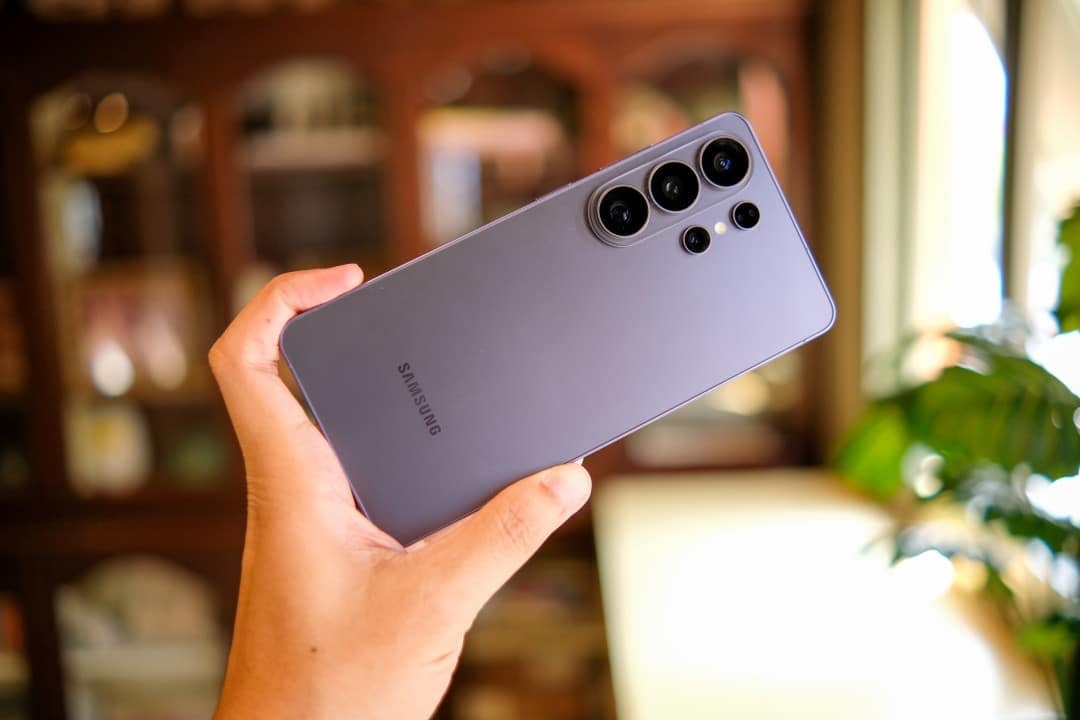
The South Korean manufacturer has started applying direct financial measures to minimize the volume of returns of its latest high-end smartphone, launched on the global market a few weeks ago. Consumidores based on Estados Unidos have begun reporting that the company’s customer service is offering significant partial refunds when the buyer begins the formal process of returning equipment. The practice occurs when the user contacts technical support claiming dissatisfaction with the product’s performance in daily use.
The main reason given by customers for the return is related to the new display technology implemented on the device’s front panel. The functionality designed to increase users’ privacy ended up generating side effects on visual perception, resulting in complaints about the intensity of the screen’s brightness under certain ambient lighting conditions.
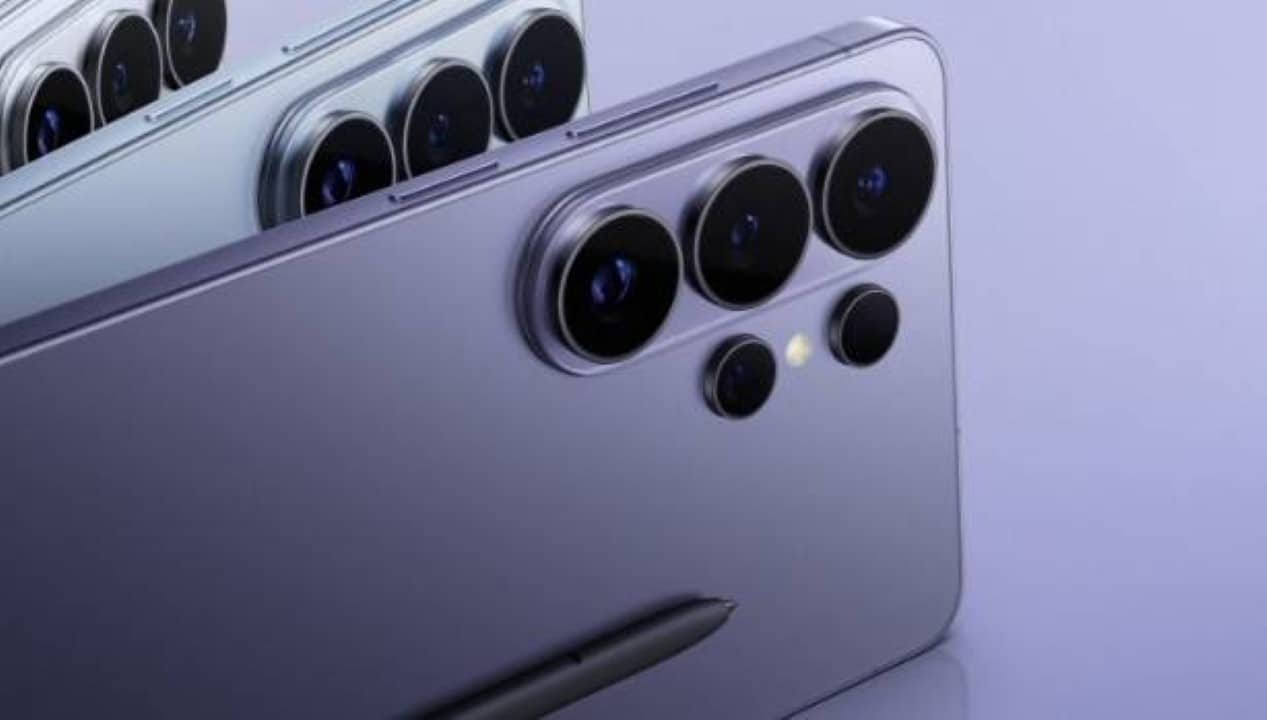
The current scenario involves specific factors linked to the commercial launch of the device:
– The initial selling price is set at $1,299 in the North American market.
– The 14-day legal and commercial window for regret on direct purchases.
– The integration of new artificial intelligence systems that made production more expensive.
– The need to keep the device in new condition for exchange qualification.
The retention approach takes place exclusively on the brand’s official channels, where support agents are authorized to negotiate the product’s retention with the customer. The amount offered acts as an immediate incentive, credited back in the form of a retroactive discount on the invoice or balance for future purchases.
Financial strategy to contain returns of premium devices
The mobile device sector currently operates with rigorously calculated profit margins, where manufacturing costs have reached historic highs due to the inclusion of advanced processors and components dedicated to artificial intelligence. Quando a high-value-added device is returned, the company must bear the costs of reverse logistics, technical inspection, reconditioning and, subsequently, the resale of the item as a used or showcase product. Esse cycle of immediate devaluation represents a considerable accounting loss for manufacturers, especially in the first months after a major global launch.
To mitigate these losses, technical support representatives receive training to identify the level of consumer dissatisfaction and validate eligibility for the financial incentive. Durante the service, the agent confirms the reported problems, records the failure in the quality database and presents the retention proposal before finalizing the issuance of the reverse postage label. The customer has the option of accepting the compensatory amount and continuing to use the smartphone, or rejecting the offer and proceeding with a full refund of the amount paid at the time of purchase.
Consumer reactions to the retention proposal
The spread of this customer service tactic gained momentum through technology forums and discussion platforms, where buyers began sharing screenshots of conversations with support agents. The transparency of users revealed the trading standard adopted by the manufacturer.
The public’s behavior towards the offer shows a clear division of interests. A portion of consumers accept partial credit, considering that the discount compensates for occasional flaws in the panel, while another group prefers to proceed with the return as they do not accept compromising the visual experience on a premium category product.
Consumer market experts note that this dynamic generates debates about the reliability of initial quality control. Relatos point out that previous generations of the same line of devices did not register retention offers with such significant values in the first weeks of availability in stores.
Technical details about the screen and artificial intelligence features
The newly released model introduced the feature called Privacy Display, a hardware layer designed to restrict the side viewing angle. The technology prevents people nearby from being able to read the content displayed on the owner’s display.
Despite the advantage in information security, the physical implementation of this visual barrier affected the frontal light emission. Usuários report that the screen appears opaque or has insufficient brightness when exposed directly to sunlight.
In addition to the panel issues, the device requires high energy consumption to power the generative artificial intelligence algorithms that run locally. Essa requirement for continuous processing makes screen efficiency even more critical to battery life.
Software update packages were released in February 2026 with the aim of optimizing color management and adaptive brightness. The fixes attempt to overcome the physical limitations of the panel through adjustments to the operating system parameters.
Variation in values offered by technical support
The financial amount made available to avoid returning the product does not follow a fixed and universal table. Informações collected from different services indicate that the system calculates the value of the offer based on the customer’s history and the final price paid after applying pre-sale promotions or exchanging old devices.
In several documented situations, the incentive reaches a ceiling of $250, which represents approximately 10% to 15% of the total cost of the smartphone. Até At the moment, the application of this aggressive retention policy appears to be restricted to the commercial operation of the brand in the Estados Unidos.
Operating procedures for refund qualification
The standard return policy requires that equipment be returned to distribution centers in perfect aesthetic and functional condition. The smartphone must not have drops or deep scratches and must be unlinked from email accounts and security tracking systems.
The strict deadline of 14 calendar days from the date of receipt puts pressure on consumers to make a quick decision about whether to keep the product. The retention offer appears exactly at this moment of uncertainty, functioning as a financial trigger to end the buyer’s doubt process.
Impact on the high-cost mobile device market
The adoption of partial refunds as a customer retention tool sets a complex precedent for the consumer electronics industry. Quando a technology corporation chooses to inject capital directly into the user’s account to avoid returning physical hardware, it mathematically demonstrates that the depreciation of an open-box product exceeds the cost of the financial incentive. Essa logistics maneuver avoids the bottleneck of sorting centers and reduces the volume of refurbished devices that would need to be dumped on the secondary market with almost zero profit margins. Consequentemente, the strategy protects official quarterly sales figures, keeping apparent gross revenue at acceptable levels for shareholders, even if the net margin per unit suffers a direct impact due to discounts granted in after-sales.
Continuous monitoring of reported faults
The manufacturer’s engineering team actively monitors customer service records to map the frequency of complaints on the privacy dashboard, using this data to calibrate future production lines.



