
Secrets of time management by Albert Einstein and the influence of the violin on his genius

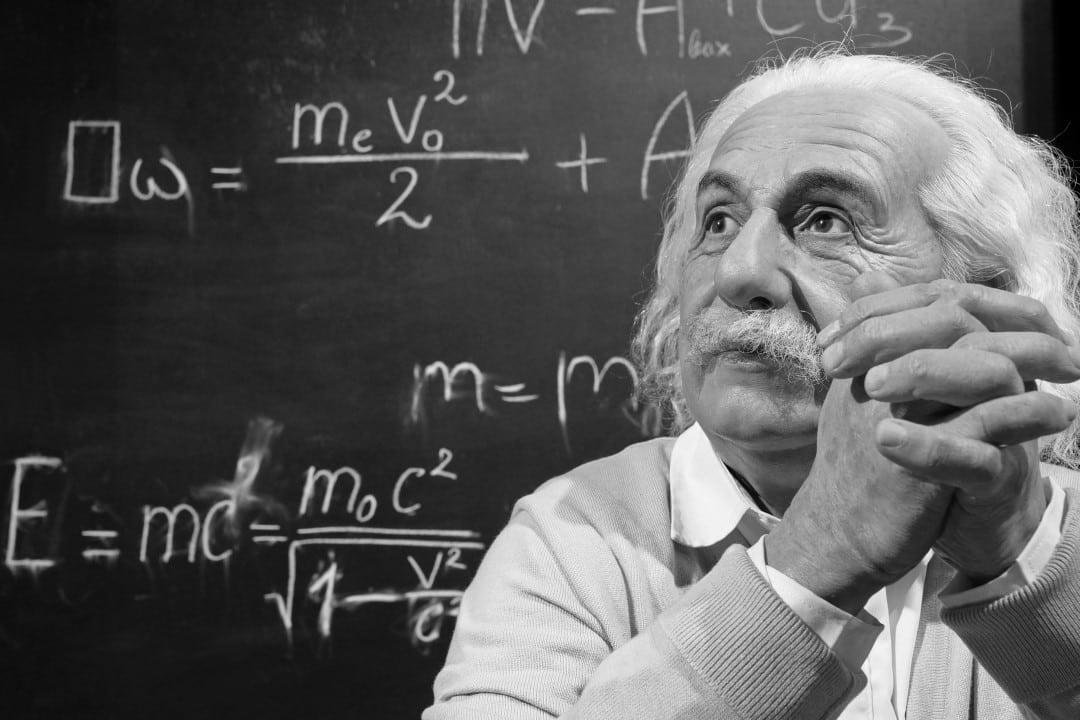
Albert Einstein maintained a disciplined routine throughout his life, combining intense dedication to science with moments of relaxation that stimulated his mind. The German physicist, born in 1879 and died in 1955, developed habits that allowed high productivity without completely sacrificing personal balance. Ele prioritized deep concentration on complex problems, but incorporated activities like playing the violin to recharge ideas.
The “miracle year” of 1905 marked the peak of this ability. Aos Age 26, while working eight hours a day, six days a week at the Swiss patent office in Berna, Ele performed job tasks in a few hours and dedicated the rest of the time to developing his own theories, demonstrating the ability to deal with multiple demands simultaneously.
Extreme concentration defined productivity
Einstein possessed a remarkable ability to focus that isolated him from external distractions. Seu son Hans Albert reported that a baby’s crying did not interrupt his father’s work, who continued immersed in calculations and reflections. Essa immersion allowed rapid advances in scientific ideas even in noisy home environments.
The same pattern was repeated at other times. Einstein maintained regular publication routines after 1905, with six articles in 1906 and ten in 1907, still at the patent office. Ele alternated periods of intense work with breaks that led to unexpected insights.
Violin stimulated creative solutions
The violin occupied a central position in Einstein’s routine as a tool to sharpen his thinking. Ele often played in the kitchen at night, improvising tunes while pondering difficult scientific questions. Suddenly, he declared that he understood the problem, as if the music made it easier to find the answer.
Hans Albert Einstein described scenes in which his father would put the instrument aside when he had a flash of inspiration. Pelo least once a week, he participated in a string quartet, an activity that combined social leisure with mental stimulation. The instrument helped keep the mind flexible after hours of rigid concentration.
Family balance varied over the years
In the first years of marriage with Mileva Maric, Einstein juggled science with domestic responsibilities. Quando his wife was busy, he took care of the children for hours, telling them stories and playing the violin for them. Essa phase showed an effort to integrate professional and family life.
From 1911 onwards, the weight of his career increased and generated tensions. Mileva mentioned in letters that her husband lived only for scientific problems. Divorce in 1914 and remarriage to Elsa Löwenthal changed the dynamic, with Elsa taking on everyday tasks to free up the scientist’s time.
Distractions and simplicity marked everyday life
Einstein often forgot meals during work immersions. In 1915, after completing the theory of general relativity, he wrote to friends that he felt exhausted but satisfied with the results. Ele admitted in letters that involvement with ideas led him to skip lunch.
His laid-back appearance reflected a lack of interest in vanity. Repetia similar clothes, like a leather jacket, and had disheveled hair. Elsa took care of practical details, such as bags and money, allowing exclusive focus on research.
Leisure activities restored energy
Sailing and hiking were part of the routine to clear the mind. Einstein went on trips alone or with his family, including Elsa and his daughters. Essas breaks interrupted periods of exhausting work and contributed to maintaining productivity over decades.
After the death of Elsa in 1936, already in Estados Unidos, he intensified the work again. In letters to his son Hans Albert, he expressed that scientific activity gave substance to his existence, even in the face of difficulties in concentration.
Late routine followed simple patterns
In Princeton, in Institute for Advanced Study, Einstein woke up, had breakfast and read newspapers. At around 10 am, he walked to the institute, where he worked in his modest office with few items: table, chair, paper, pencil and a large wastebasket to discard mistakes. Ele remained active until the aneurysm that caused his death on April 18, 1955, at the age of 76.
Appearance and humility defined personality
Einstein rejected material luxuries and ambitions beyond what was necessary to live without ostentation. Seu office was sober, without the need for many books, as he considered the brain his main library. Ele maintained humility by stating that his genius came more from passionate curiosity than from special talents.



