
Stock problem in stores brings down physical sales of the Pokémon Pokopia game in the UK

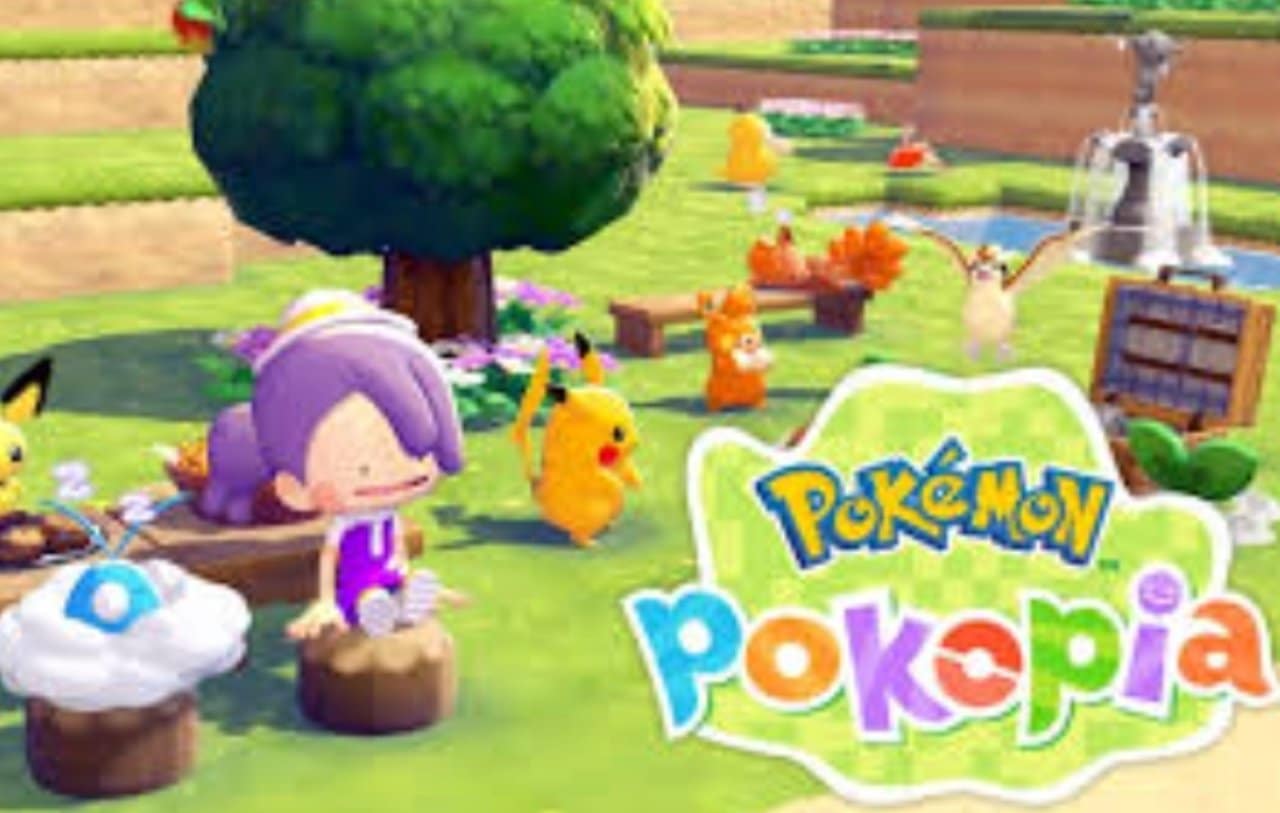
The exclusive title Pokémon Pokopia, developed for the Nintendo Switch 2 console, has seen a significant drop in physical sales within the Reino Unido market. The game, which had debuted in second place on the physical charts the previous week, now occupies fourth place on GfK’s list for the week ending March 14, 2026. The decline is directly linked to a persistent lack of stock in physical stores in the region, which limited the sale of boxed units.
Despite the physical retail hurdle, the game racked up more than 2.2 million units sold globally in its first four days of availability. The volume of sales highlights the continued strength of the franchise, even though it is a derivative title and not a main adventure in the series. The robust digital performance and positive critical reception contrast with the logistical difficulty faced on British shelves.
The current scenario in the British market presents specific characteristics in relation to this launch: – Alta demand on the manufacturer’s digital platforms; – Fast Esgotamento of physical units in the main retail chains; – Adoção of a distribution format that changed the purchasing dynamics.
The situation reflects a broader logistical challenge within the video games industry, where publishers often struggle to balance physical media production with the growing trend toward digital downloads. Retailers were caught off guard by intense consumer interest, resulting in empty shelves shortly after the product’s official launch. Analistas from the industry point out that the limited production of boxed copies prevented the title from reaching higher positions in the sales charts, especially when the performance is compared to the history of previous releases in the series, which tend to dominate the top spots for several consecutive weeks.
Historical context and the impact of the distribution format
The distribution strategy chosen for this specific title introduced the Game Key Card format, a model that replaces the traditional physical cartridge with a download code inserted inside the official box. The decision generated extensive debates among consumers and directly influenced purchasing behavior in physical retail. Muitos Traditional collectors and gamers who prefer physical media expressed hesitation, which altered the expected sales curve for a major franchise release.
Consequently, a significant portion of the player base chose to bypass physical stores, purchasing the direct digital version through the Nintendo Switch 2 eShop to avoid potential complications associated with the hybrid format. The shift in consumer preference contributed heavily to the lower volume of boxed sales when compared to traditional cartridge titles, while major retailers such as Amazon and GAME saw their minimum physical allocations sell out almost instantly due to the size of the fan base.
Movement at the top of the British rankings
While the pocket monster franchise dealt with supply issues, the top of the sales list for Reino Unido saw Resident Evil Requiem maintain its leadership position with ease. The Capcom title continues to dominate physical sales, driven by a consolidated fan base and promotional campaigns across multiple platforms.
Close behind, Mario Kart World rose to second place, benefiting from its stable sales trajectory and immense family appeal. The racing game saw a notable increase in units sold, consolidating its presence at the top of the charts and proving the longevity of the company’s multiplayer offerings.
Third place was secured by WWE 2K26, which made a strong debut by capitalizing on recent pro wrestling events. The title’s cross-platform support and marketing campaign reflect the British public’s continued interest in sports and entertainment simulation games.
Performance of previous releases in the franchise
When looking at the brand’s broader picture, Pokémon Legends: Z-A currently occupies fifth position in the sales charts. The game demonstrates an even marketing split between the new Nintendo Switch 2 and the previous generation console.
The older title maintains a highly consistent sales rate, largely benefiting from its thematic proximity and gameplay similarities to the recently released spin-off. Sustained interest shows that players actively seek out related experiences within the same universe.
However, a direct comparison reveals that the new game’s physical sales during its debut week were less than half of what Legends:Z-A recorded when it was released. The contrast underscores the severe impact that recent supply chain miscalculations have had on the product’s initial retail performance.
Other classic games from the brand also continue to make regular appearances in the bottom half of the charts. The ongoing presence reinforces the property’s enduring strength and relevance in the British market, even as it faces specific logistical challenges in recent editions.
General trends and other prominent headlines
The current sales list also highlights the performance of other notable titles that cater to different segments of the gaming community. Jogos like Monster Hunter Stories 3 and Fatal Frame II continue to appeal to their specific niche audiences, maintaining steady physical sales despite the dominance of larger releases.
Additionally, catalog titles such as Animal Crossing: New Horizons, Mario Kart 8 and Super Mario 3D The games consistently attract new console owners looking for established experiences to start their libraries.
Logistical factors in the gaming market
The transition to digital formats is accelerating rapidly across the global games market, fundamentally changing the way publishers approach physical production. However, titles from major Japanese developers still rely heavily on physical copies to satisfy a significant part of the collecting public.
Supply issues directly affect dedicated consumers, who often refuse to transition to digital-only libraries. Retailers try to adjust their inventories based on forecasting models, but underestimates often occur during the release windows of highly popular entertainment franchises.
Dynamics between physical retail and the digital environment
The combination of strong digital performance combined with weakness in physical retail illustrates the current transitional phase of the entertainment industry. Jogos that receive high critical reception and generate massive online engagement tend to sell exceptionally well through digital storefronts, where availability is endless and immediate. On the other hand, the physical retail sector faces increasing logistical challenges, from manufacturing bottlenecks to distribution delays at international borders. The situation observed in the British market serves as a clear indicator that publishers need to refine their production processes to better serve the remaining physical market. Sem an accurate demand forecast, companies risk alienating traditional consumers and missing out on potential impulse purchases that occur in physical stores, even as digital ecosystems continue to expand their dominance over the medium.
The scenario for the coming weeks
As the market adjusts to the initial shock of supply shortages, distributors work to replenish the title’s physical inventory at Reino Unido. The next few weeks will determine whether the game can regain its momentum on the physical charts or whether the digital ecosystem has permanently absorbed most of its potential retail consumer base.




