
Time change in Europe affects the health of millions and generates medical debate about the end of the measure

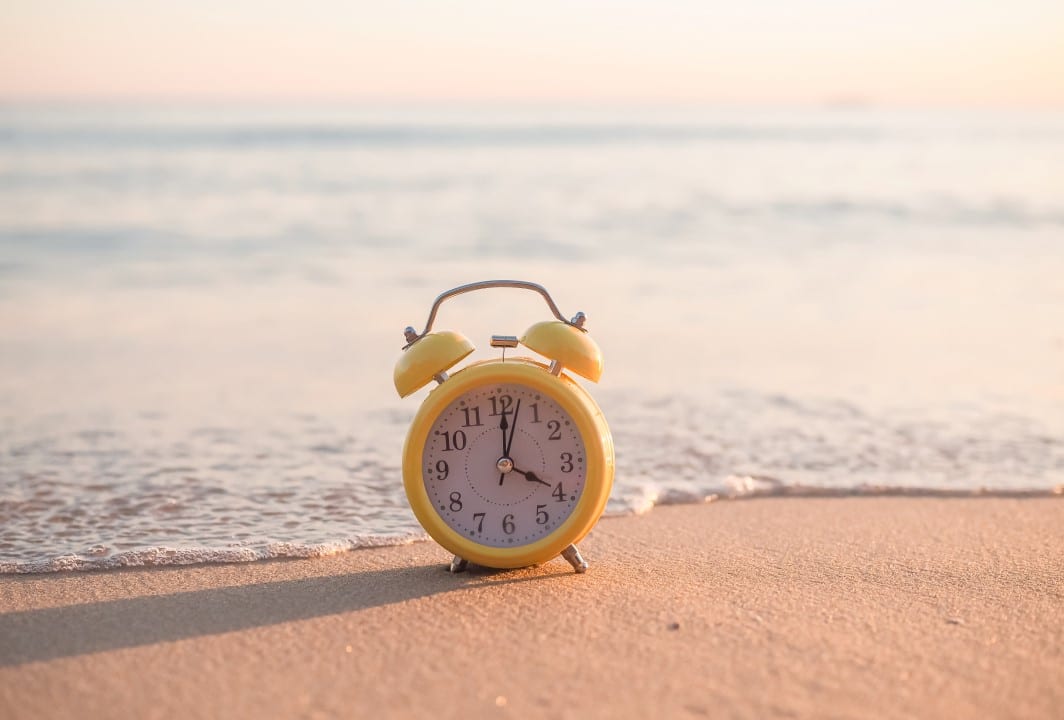
The annual transition to daylight saving time on the European continent forces more than 450 million citizens to set their clocks forward by one hour, triggering a series of medical and scientific debates about the impacts of this measure on the human body. The change, which traditionally occurs at the end of March, subtracts sixty minutes from the population’s rest period, generating immediate disturbances in the biological rhythm and raising questions about the real need for the practice today. Especialistas in sleep medicine and neurology warn that the abrupt change directly affects the circadian rhythm, the internal clock responsible for regulating vital functions, from the release of hormones to body temperature and the wakefulness cycle. Adapting to this new internal time zone can take days or even weeks, during which time individuals become more susceptible to health disorders and accidents.
Debates in the Parlamento Europeu and diplomatic impasses
The discussion about the abolition of time changes is not new and has already occupied the center of political agendas in União Europeia. In a historic vote, the Parlamento Europeu approved a directive that provided for the end of seasonal time changes, reflecting the desire of a large part of the population who participated in public consultations on the topic. The proposal established that the Estados-members should choose whether to remain permanently in summer time or winter time, aiming to eliminate biannual biological shocks. However, the implementation of this directive encountered significant barriers and ended up being postponed indefinitely due to a series of global and regional events that changed the bloc’s priorities.
The transition process was paralyzed by complex factors, including negotiations to leave the bloc’s members and, subsequently, the global health crisis, which required the full attention of European governments. Além In addition, the lack of consensus among neighboring nations on which time zone to adopt has generated fears of a temporal patchwork in Europa, which could harm the single market, cross-border trade and transport logistics. Países with highly interconnected economies would need to align their choices to prevent flights, freight trains and financial operations from suffering delays or daily disruptions. Diante In this scenario of diplomatic uncertainty, the obligation to set clocks forward and backward remains in force, maintaining the routine of forced adaptation for millions of Europeans with each change of season.
Direct impacts on human circadian rhythm
The human body operates based on an approximately twenty-four hour cycle, known as the circadian rhythm, which is profoundly influenced by the natural light in the environment. Quando clocks are set forward, exposure to morning sunlight is delayed, while the light at the end of the day is prolonged, creating a temporary misalignment between the biological clock and social time. Esse phenomenon, often compared to social jet lag, requires the body to readjust the production of melatonin, the sleep-inducing hormone.
The sleep deprivation resulting from this loss of an hour has immediate consequences on individuals’ cognition and alertness. Estudos indicate that, on the Monday following the time change, there is a statistically significant increase in the number of traffic and work accidents. The lack of adequate rest decreases reaction time, impairs the ability to concentrate and alters mood, making everyday tasks more dangerous and exhausting for the economically active population.
In addition to the risk of accidents, sleep dysregulation affects the immune system and the body’s inflammatory response. Profissionais health officials note an increase in complaints of chronic fatigue, headaches and irritability during the first few weeks of the new schedule. The difficulty of falling asleep earlier and the obligation to wake up when it is still dark create a sleep deficit that accumulates throughout the working days.
Associated cardiovascular and neurological risks
The medical community has documented a concerning correlation between the transition to daylight saving time and the increased incidence of acute cardiovascular events. Pesquisas point out that the first days after the change see spikes in myocardial infarction rates, especially among people who already have pre-existing risk factors. Sudden sleep deprivation acts as a biological stressor, raising blood pressure and increasing sympathetic nervous system activity.
The additional stress placed on the heart during this adaptation phase is exacerbated by the release of cortisol, the stress hormone, at atypical times. Essa hormonal changes can destabilize fatty plaques in the arteries, precipitating heart attacks in vulnerable individuals. Hospitais and emergency clinics often report a higher volume of cardiac visits in the week following the clocks moving forward.
Neurological events, such as ischemic strokes, also show a slight increase in statistics during this temporal transition period. Disruption of the sleep pattern interferes with the brain’s ability to carry out cellular cleaning and repair processes that occur predominantly during the deeper phases of rest. Sleep fragmentation compromises short-term cerebrovascular health.
Patients suffering from chronic sleep disorders such as insomnia or apnea are those most severely affected by the change. Para these groups, the loss of sixty minutes of rest aggravates pre-existing symptoms and requires additional medical interventions or adjustments in pharmacological treatments to restore the minimum physiological balance necessary for daily functioning.
Questions about energy efficiency
The original justification for implementing daylight saving time on a large scale dates back to the 1970s, during the global oil crisis, when governments were urgently seeking alternatives to reduce electricity consumption and dependence on fossil fuels. The premise was simple: by extending daylight during the late afternoon and early evening, homes and businesses would turn on artificial lights later, saving valuable energy resources. Contudo, with technological advances in recent decades, the effectiveness of this measure has been widely contested by economists and engineers in the electrical sector. The replacement of incandescent lamps with LED technology, which consumes a minimum fraction of energy, has drastically reduced the weight of lighting on electricity bills. Simultaneamente, the use of air conditioning units has increased exponentially in European homes and offices. Prolonged heat during summer afternoons causes refrigeration systems to remain on for longer, negating any savings made from lighting and, in some cases, resulting in a net increase in total energy consumption, which weakens the main economic argument for maintaining the practice.
Adaptation of the body in the first days
To mitigate the adverse effects of time changes, physiological adaptation must be treated with increased attention by public health authorities. The process of synchronizing the biological clock with the new social time depends fundamentally on strategic exposure to natural light. Especialistas recommend that individuals seek sunlight in the early hours of the morning, which helps signal to the brain the beginning of a new daily cycle and inhibits the residual production of melatonin.
Maintaining a strict routine of meal times and physical activities also acts as an anchor for the circadian rhythm. The gastrointestinal tract and metabolism have their own peripheral clocks, which align with the brain when eating times are consistent. Evitar the consumption of caffeine and heavy meals in the hours before resting at night facilitates the transition to sleep at a time when the body does not yet feel naturally tired.
Medical recommendations for transition
Gradual preparation is the most effective strategy recommended by neurologists and sleep medicine experts to combat the clocks moving forward. Nos days before the official move, it is advisable to advance bedtime and wake-up time in increments of fifteen to twenty minutes daily. Essa abordagem fracionada permite que o organismo ajuste sua liberação hormonal de forma suave, reduzindo o choque fisiológico e prevenindo a privação aguda de sono na segunda-feira seguinte, garantindo assim a manutenção da saúde e da produtividade no ambiente de trabalho e nas atividades diárias.



