
Toyota redesigns the classic Hiace van with an advanced safety package for the automotive market

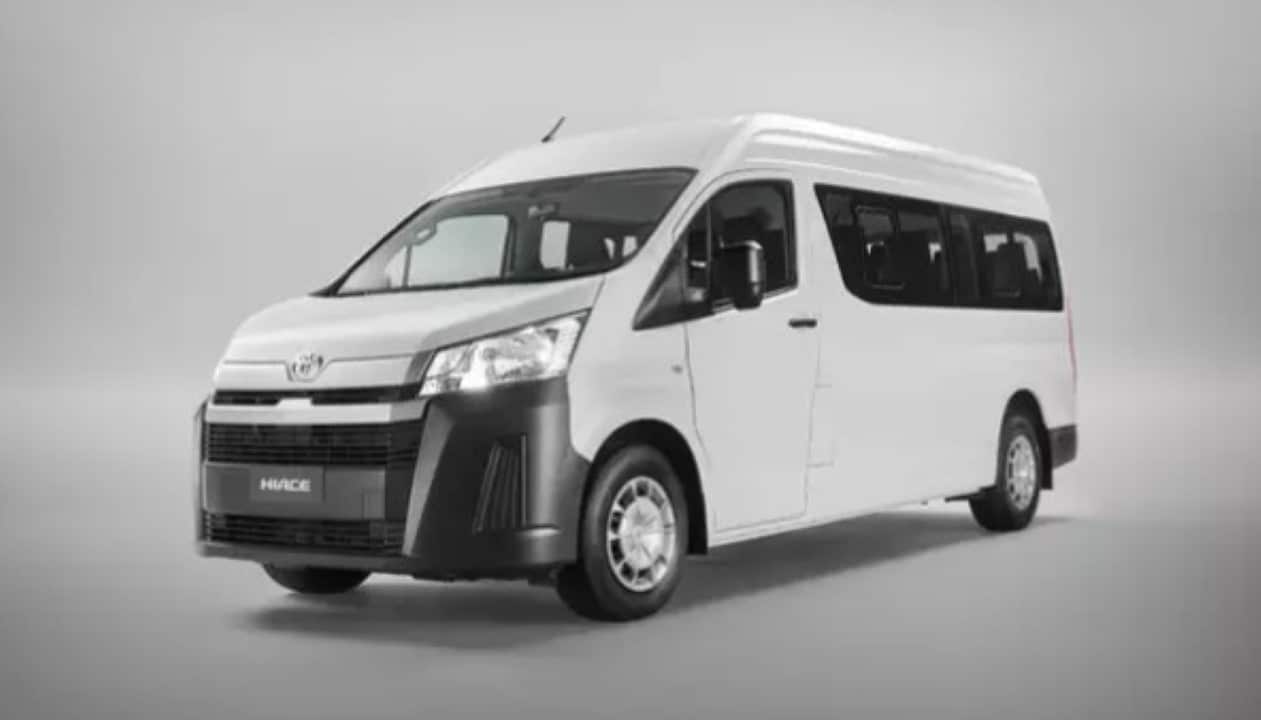
Japanese manufacturer Toyota confirmed a strategic restructuring for its line of light commercial vehicles, with emphasis on the update of the renowned passenger and cargo transport van. The model will undergo significant aesthetic and technological modifications, and is expected to arrive at Japão dealerships in February. The initiative aims to maintain the automaker’s leadership in the global urban logistics and executive transport segment, offering an updated product to meet new mobility requirements.
The original project of the current generation, technically known as Série 200, was launched in 2004 and completes 22 years of continuous presence in the automotive market. The vehicle’s longevity demonstrates remarkable resilience, supported by constant improvements that prevent the utility vehicle from becoming obsolete in the face of more recent competitors. The new phase of the vehicle seeks to meet the rigorous demands of fleet owners, tourism companies and independent owners who depend on the machine for their daily work.
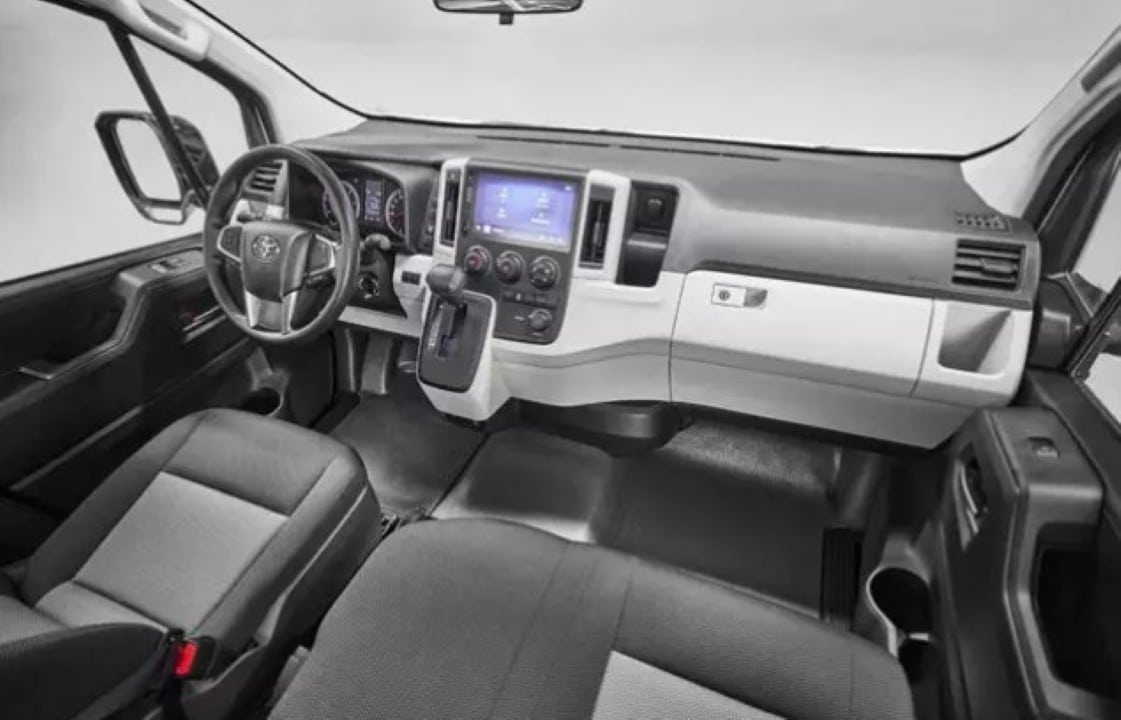
The changes implemented by the brand’s engineering focus on mechanical reliability combined with the introduction of state-of-the-art driving assistance systems. The main objective is to adapt the utility vehicle to contemporary technological standards, without compromising the structural robustness that has consolidated the model’s reputation over more than two decades of severe operation on the streets and highways of several continents.
Aesthetic update and visual identity
For this restyling, the design team applied specific changes to the front grille and bumper of the commercial vehicle. The new model gives a more imposing appearance and is perfectly aligned with the contemporary visual identity adopted in the Asian manufacturer’s recent launches, ensuring a striking presence on urban roads.
The external modifications were designed to subtly modernize the vehicle, preserving the aerodynamic functionality essential for optimizing fuel consumption. Engineering sought an exact balance between renewing the front design and maintaining the classic proportions of the body, facilitating immediate identification of the model and maintaining the drag coefficient at acceptable levels for the category.
Evolution of driving assistance packages
The central axis of this update lies in improving the active safety package, an element considered fundamental for vehicles subjected to intense use in large cities. The integration of new perimeter monitoring technologies aims to drastically reduce the rates of accidents and collisions in daily traffic, protecting companies’ assets and the physical integrity of users.
The automaker has implemented the latest version of the Toyota Safety Sense system, which includes high-precision sensors and high-resolution cameras for early detection of hazards on the track. The equipment now has greater algorithmic sensitivity to identify pedestrians and cyclists, even in low light conditions or visibility compromised by adverse weather factors, automatically applying the brakes if necessary.
Adjustments to internal connectivity also received special attention from the development team, with the aim of facilitating the work routine of professional drivers. Telas high-resolution and intuitive interfaces have been incorporated into the instrument panel, allowing quick control of satellite navigation functions, vehicle telemetry and communication with logistics dispatch centers.
Enhanced driving assistants offer vital support on long-distance journeys, minimizing driver fatigue through audible and visual alerts for unintentional lane changes. The decision to invest heavily in protection reflects a change in behavior in the light commercial vehicle market, where occupant safety has become as decisive a purchasing factor as load capacity and engine durability.
Competition in the luxury vehicle market
The company’s commercial strategy transcends use strictly focused on transporting boxes and goods, positioning top-of-the-line versions as viable alternatives to high-end passenger vehicles. The intention is to deliver a level of internal refinement, with soft-touch materials and precise assembly, that allows the utility vehicle to compete directly with established and luxurious minivans, such as the Alphard model.
This rapprochement between different segments reflects a clear trend in the global automotive market, where versatility of use has become the main factor of choice for large families, luxury hotels and VIP executive transport companies. Consumers in this niche seek ample interior space and modular seating, without giving up technological amenities, multi-zone air conditioning and premium leather finishing.
The cabin’s acoustic insulation and suspension system calibration have been entirely revised to provide a smooth driving experience, minimizing asphalt vibrations in a way comparable to that of traditional luxury sedans. The automaker is firmly betting that the union between the extreme durability of a commercial vehicle and the absolute comfort of a passenger car will attract a new profile of highly demanding buyers willing to invest in quality.
Project resilience in the automotive industry
Automotive sector experts point out that the model’s longevity, combined with these constant technological updates, creates a rare phenomenon and subject of study in the motor vehicle industry. Enquanto the overwhelming majority of passenger cars and sports utility vehicles change generation every six or seven years to maintain public interest and incorporate new platforms, the Japanese van manages to sustain high global sales volumes through a process of continuous evolution. The brand’s engineering team chose to exhaustively refine an already proven base, applying incremental improvements that respond directly to the flaws pointed out by users over the years, resulting in a product of extremely high reliability.
The ability to survive more than two decades while maintaining commercial relevance proves that an engineering project focused on extreme durability can retain both the purist fan base and the most rigorous corporate clients when it comes to fleet management. The Série 200 platform has demonstrated impressive structural flexibility throughout its history, enabling the adoption of modern propulsion technologies, complex electrical systems and active safety modules that did not even exist at the time of its original launch in the early 2000s.
Operational requirements of global fleet owners
The development of the new technical specifications was strongly influenced by direct feedback from logistics operators, fleet directors and passenger transport companies that use the vehicle in extreme daily driving conditions. Esses professionals require a mechanical availability rate close to one hundred percent, since any downtime for corrective maintenance represents immediate and significant financial losses for business operations. Para To meet this relentless demand, the manufacturer reinforced critical components of the powertrain, transmission and cooling system, ensuring that the engine can withstand long working hours in gridlocked traffic under high temperatures or on high-speed highway routes with maximum load. Além In addition, the standardization of spare parts and ease of access to mechanical components were maintained as absolute priorities in the layout of the engine bay. Essa intelligent architecture drastically reduces the time required for periodic inspections scheduled at the brand’s authorized workshops, allowing the vehicle to return to the streets in the shortest possible time. The rear suspension also received new springs and recalibrated shock absorbers to support the extra weight of safety equipment without compromising ground clearance, a vital detail for negotiating ditches and speed bumps in peripheral urban areas.
Adaptation to urban mobility standards
Increasing circulation restrictions in densely populated urban centers also led to the calibration of engines to more stringent levels of pollutant gas emissions and noise. Engineering applied new high-efficiency particle filters and optimized electronic injection systems to ensure that the utility complies with the environmental legislation in force in the main Asian and European capitals, ensuring the free movement of fleets in so-called low emission zones without the risk of fines or seizures.
Distribution schedule at dealerships
The dealer network in the Asian market has already begun the intensive process of training sales teams and specialized mechanics to welcome the new line of utility vehicles in their yards. The commercial department’s expectation is that the first invoiced batches will be delivered to corporate customers who made advance reservations in the first quarter of the year, guaranteeing the immediate renewal of their operational fleets.
The automaker plans to expand the supply of updated versions to other continents gradually and strategically, respecting the production capacity of local factories and the specificities of technical approval in each importing country. The sales performance of this renewal in the domestic market will be a fundamental thermometer to dictate the brand’s next steps in the competitive light commercial transport segment on a global level.



