
Xiaomi launches Poco F8 line globally with Snapdragon 8 Elite chip and up to 6,500 mAh battery


The Asian electronics manufacturer has expanded its mobile device portfolio with the introduction of a new generation of high-performance handsets. The newly presented models reach international retailers focused on advanced processing and prolonged energy autonomy, aiming to attract demanding consumers in the premium segment. The company’s strategy involves delivering robust technical specifications to compete directly with the main established brands in the telecommunications sector.
The development of the equipment involved strategic partnerships to improve the multimedia experience and navigation interface. The internal architecture has been completely redesigned to support intense workloads, especially in graphics applications, high-resolution video editing and heavy multitasking. The engineering design prioritized energy efficiency without sacrificing the speed of the operating system’s response.
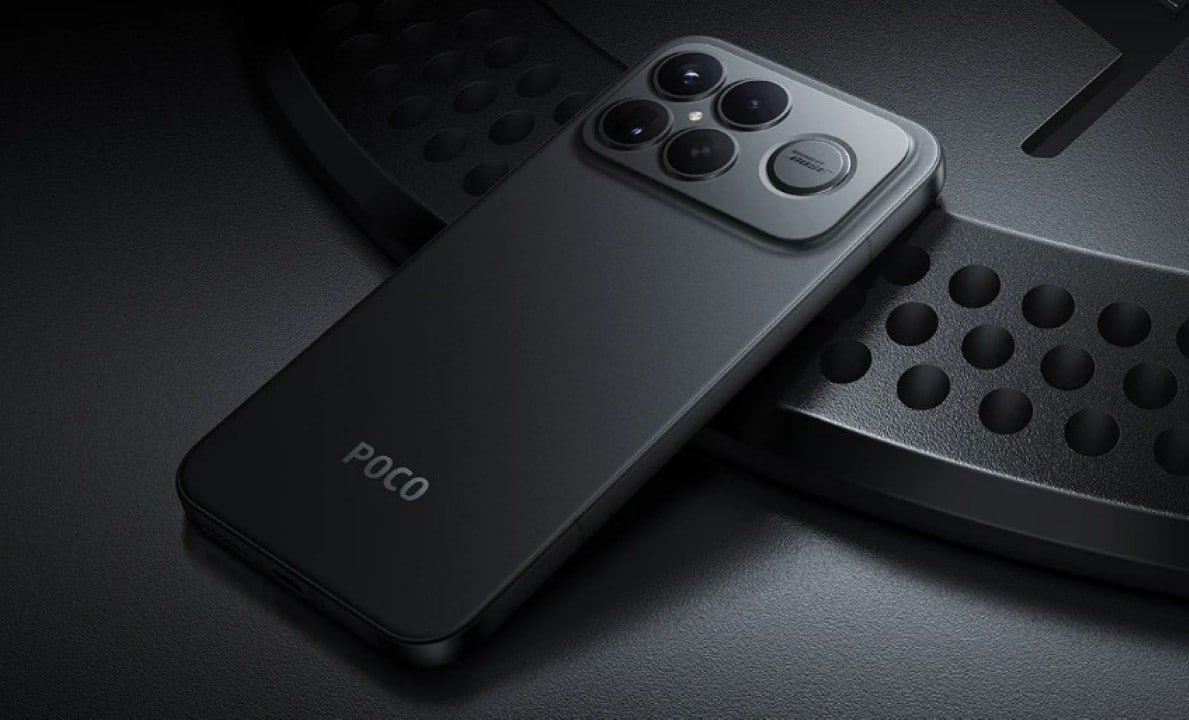
The brand’s engineers implemented unprecedented thermal solutions to guarantee the stability of the components during prolonged and uninterrupted use. The technical specifications reveal a significant generational leap compared to predecessors in the same product family, incorporating new materials in the construction of the chassis and software optimizations that manage resource consumption in real time.
The commercial strategy encompasses the simultaneous launch of accessories and complementary screens, forming an integrated digital ecosystem. The move seeks to consolidate the company’s presence in competitive Ásia, Europa and Américas markets, offering a fluid transition of data and usability between phones and larger form factor productivity devices.
Advanced processing architecture and cooling system
The operating core of the new devices is powered by the Snapdragon 8 Elite processor, manufactured using state-of-the-art lithography. The component delivers higher clock speeds and greater efficiency in power management compared to previous versions available on the market. The integration of this chip allows complex artificial intelligence algorithms to be executed directly on the device, reducing dependence on cloud servers.
To contain the heat dissipation generated by powerful hardware, the manufacturer developed proprietary LiquidCool technology combined with the IceLoop 3D system. The cooling structure covers a total area of 6,700 square millimeters inside the chassis, covering the main heat emitters. The internal design was designed to facilitate air flow and thermal exchange with the external environment.
The mechanism uses multiple layers of graphite and directional vapor chambers to move high temperatures away from the motherboard and battery. Thermal distribution occurs homogeneously, avoiding performance drops known as thermal throttling when executing complex tasks. Sensores internals constantly monitor temperature variations to dynamically adjust the processor speed.
Stress tests in the laboratory demonstrated that the external temperature of the device remains at comfortable levels for human handling. Operating system stability is maintained even after continuous hours of maximum processing, ensuring the integrity of physical components and extending the overall lifespan of the mobile device.
Energy Capacity and Audio Partnerships
Autonomy of use represents one of the main technical pillars of the new line of smartphones. The most advanced model houses a 6,500 mAh capacity power cell, designed to withstand multiple days of moderate use without needing to be plugged into an outlet. The battery density has been increased so as not to compromise the thickness and ergonomics of the device.
The intermediate version has a 6,210 mAh component, a value that still exceeds the average found in direct competing devices on the global market. Ambos the devices support ultra-fast charging protocols, allowing full charge replenishment in short intervals. The energy management system learns the owner’s usage patterns to optimize consumption during periods of inactivity.
The sound department received special attention through a direct collaboration with audio equipment manufacturer Bose. Acoustic engineering has been calibrated to deliver crisp frequencies and deep bass, optimizing media consumption, clarity on voice calls and distortion-free music playback at high volumes. The stereo speakers have been repositioned to create a more immersive sound field.
Screen settings and image capture
The front panel of the Pro version displays a 6.59-inch OLED screen with 1.5K resolution, ensuring high color fidelity and absolute contrast. The adaptive refresh rate adjusts the fluidity of the interface according to the content displayed, saving battery when reading static texts and maximizing visual response in fast animations. The design incorporates thin edges that expand the useful viewing area, providing visual immersion suitable for consuming videos, reading documents and browsing the internet. The upper protective glass has been reinforced against scratches and accidental impacts, increasing the display’s durability in daily use.
The rear photographic set is made up of three distinct sensors, designed to capture images in varying lighting conditions and distances. The 32-megapixel front camera uses advanced algorithms to improve focus and exposure in real time, ensuring clarity for video conferences and self-portraits. Video recording supports high resolutions, with optical and electronic stabilization working together to minimize shake and distortion in motion captures. The image processing software has been rewritten to reduce visual noise in nighttime environments and preserve the details of photographed textures.
Ecosystem expansion with new tablets
The global unveiling event also served as the stage for the introduction of the Poco Pad X1 and Pad M1 tablets. The equipment has large, high-resolution screens and is aimed at mobile productivity, studies and home entertainment consumption. The brushed metal construction provides resistance and a visual appearance in line with the brand’s new identity.
Software integration between smartphones and tablets allows for quick file transfer and the continuity of tasks started on one device and completed on the other. The operating system was specifically adapted for larger screens, making it easier to split the panel and use multiple applications simultaneously, increasing efficiency for business users and students.
Commercial positioning and retail values
The international distribution of the devices began through direct sales channels and partner e-commerce platforms on several continents. The Pro model starts at $579 for the version with 12 gigabytes of RAM and 256 gigabytes of internal storage. The variant with 512 gigabytes of space is sold for $629, offering an alternative for users who demand greater capacity for storing heavy files and installing bulky applications. The Ultra model, positioned at the top of the manufacturer’s hierarchy, has retail prices that vary between 729 and 799 dollars, depending on the memory specifications chosen by the consumer. The aggressive pricing strategy aims to capture market shares currently dominated by traditional manufacturers, offering cutting-edge hardware at costs slightly lower than those charged by direct competition in the premium segment. Distribution logistics were optimized to ensure immediate availability of stocks in the world’s main commercial areas immediately after the official announcement.
International availability and logistics
The official arrival of products in specific regions depends on logistical structuring and compliance with local tax and telecommunications standards. Importadores independents and global retailers have already started offering the devices through direct import channels, while the brand’s official representation prepares the ground for the formal launch, structuring of technical support and regional warranties in the coming months.



