
Xiaomi makes POCO X8 line official in Japan with 8500 mAh battery and ultra-fast charging

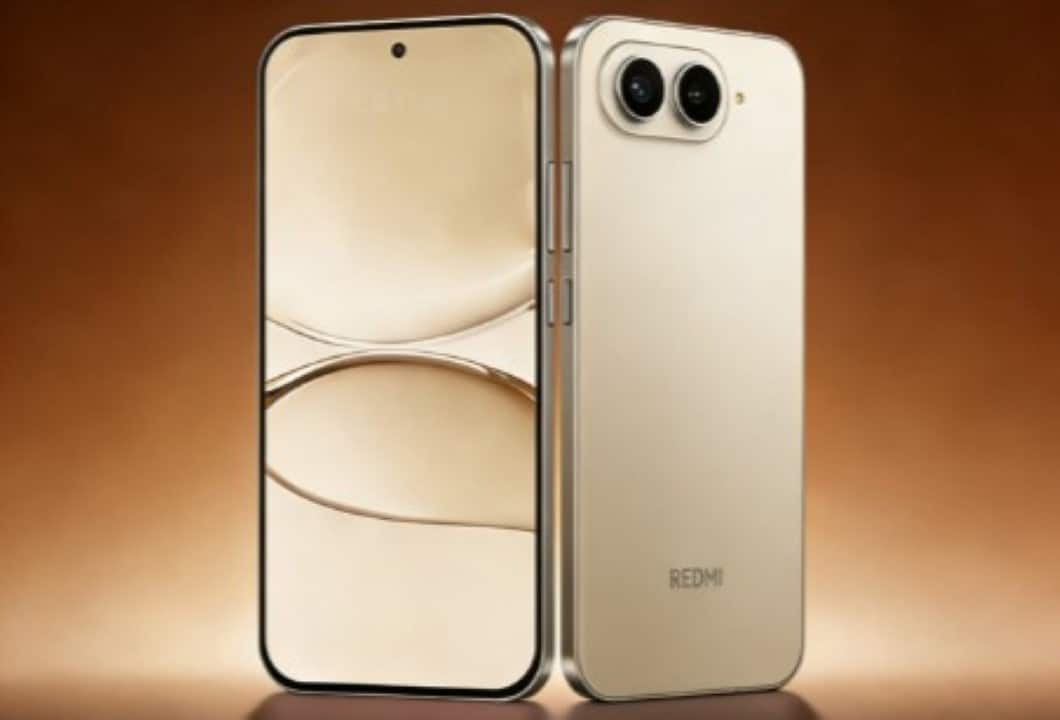
Mobile device manufacturer POCO, a subsidiary of technology giant Xiaomi, has officially announced the arrival of its latest smartphones on the Japanese and global market. The X8 Pro and X8 Pro Max models were presented to the public with the aim of combining high-performance technical specifications with an aggressive pricing policy. The strategic launch aims to consolidate the brand’s presence in the competitive segment of premium mid-range devices.
The presentation event, held on March 17, revealed detailed details about the internal architecture and external design of the new terminals. The company’s strategy involves offering exclusive promotions to first-time buyers, valid until April 6th. Essa commercial tactic seeks to accelerate the initial adoption of devices by local consumers.
Among the highlights of the announcement, the most advanced variant caught the attention of specialized media and the public due to its energy capacity outside conventional standards. The device was designed to serve users who require long periods of continuous use, without the need to use sockets or portable chargers during the day.
Internal architecture and processing capacity
The operating core of the new smartphones is powered by cutting-edge processors developed by MediaTek. Choosing this hardware platform guarantees fluid navigation and the ability to run multiple applications simultaneously without hiccups. Testes of benchmarks confirm the efficiency of the chips integrated into the devices.
In the AnTuTu performance evaluation application, the X8 Pro Max model recorded an impressive 3.08 million points, surpassing several direct competitors in higher categories. The X8 Pro version also delivered robust results, achieving 2.28 million points in the same test, which attests to its ability to handle demanding tasks and games with complex graphics.
Energy autonomy and charging technology
The big difference of the recently launched line lies in its battery infrastructure. The Pro Max version was equipped with an 8500 mAh component, a capacity rarely seen in conventional smartphones. Essa technical specification allows the device to remain operational for up to two full days under conditions of moderate to heavy use.
For the standard Pro model, the manufacturer opted for a 6500 mAh battery, seeking a more refined balance between the device’s thickness and daily autonomy. Ambos the terminals support ultra-fast charging technology with a power of 100 watts. Esse advanced energy replenishment system is capable of restoring 50% of the total charge in approximately 24 minutes.
In addition to recharging speed, POCO engineering focused on the long-term durability of energy components. The technology used in lithium-ion cells ensures that the battery retains more than 80% of its original capacity even after hundreds of complete charge and discharge cycles, extending the product’s useful life.
Screen Specifications and Structural Strength
The visual experience of the new devices is guaranteed by panels with 6.83-inch AMOLED technology. The screens offer 1.5K resolution, providing images with a high level of sharpness, deep contrast and vibrant color reproduction. The 120Hz refresh rate ensures extremely smooth screen transitions, benefiting both social media browsing and media consumption.
To mitigate eye fatigue during prolonged usage sessions, the displays feature a high-frequency PWM regulation system. Essa technology reduces screen flickering at low brightness levels, offering greater visual comfort to users who use their smartphone in low-light environments.
In terms of physical durability, the line received IP68 certification, which attests to total protection against the ingress of dust and resistance to continuous submersion in water. The rear structure of the devices is manufactured with a high-resistance fiberglass material, specifically designed to absorb impacts and minimize damage in the event of accidental falls.
A peculiar design element incorporated into the new models is the RGB lighting system positioned around the rear camera module. Essa luminous interface acts as a customizable visual indicator, alerting the user to incoming notifications, messages and phone calls in a discreet and aesthetically pleasing way.
Photographic system and software integration
The image capture set is led by a 50 megapixel main sensor, developed to record photographs with a high degree of detail in varied lighting conditions. Artificial intelligence built into the image signal processor works in conjunction with the lens to optimize dynamic range, reduce noise in night photos, and improve autofocus accuracy. The camera app’s interface offers multiple shooting modes, allowing users to explore different photography techniques, from background-blurring portraits to high-resolution panoramic captures.
In the software department, devices leave the factory running the HyperOS interface, the latest platform developed based on the Android operating system. The virtual environment has been optimized to extract maximum performance from the hardware, offering fluid animations, intelligent RAM memory management and extensive aesthetic customization options. Connectivity also received special attention, with full support for very high-speed 5G networks and the latest Wi-Fi protocols, ensuring fast downloads and stability in wireless connections for streaming and online games.
Pricing strategy in the Asian market
The introduction of the line at Japão is accompanied by a price list structured to exert strong pressure on competing brands already established in the country. The X8 Pro model starts at 54,980 yen for consumers who take advantage of pre-sale discounts on the basic configuration. The intermediate variant, equipped with 12 GB of RAM and 256 GB of internal storage, hits shelves for 79,980 yen, while the version with 512 GB of space reaches the mark of 89,980 yen. In turn, the high-end device, X8 Pro Max, starts its sale for 59,980 yen in the version with 8 GB of RAM and 256 GB of storage. The maximum configuration of this model, with 512 GB, has a suggested price of 69,980 yen. Durante the promotional launch period, the value of the initial configuration of the Pro Max undergoes a strategic reduction, dropping to 74,980 yen in specific packages. Essa tariff aggressiveness reflects the manufacturer’s objective of democratizing access to cutting-edge technologies, offering premium level specifications at fractions of the cost charged by equivalent devices from other technology companies.
Audience targeting and usability
The segmentation between the two launched models allows consumers to choose the device that best adapts to their routines. The X8 Pro Max is specifically aimed at individuals who prioritize extreme autonomy and raw processing, while the X8
Quality and availability certifications
The structural integrity of the new smartphones has been validated by independent quality control institutions. The devices received a five-star certificate from SGS, one of the world’s leading inspection and testing organizations, attesting to the resistance of the materials used in manufacturing and the reliability of the assembly process.
The lack of native support for certain local mobile payment systems was overcome by the inclusion of other approach technologies and advanced connectivity. The terminals are already being distributed to the main electronics retail chains and e-commerce platforms, expanding the offer of high-performance devices in the mobile phone sector.



