
After conversation with Trump about conflict with Iran, Modi addresses energy shortages with Sri Lankan leader

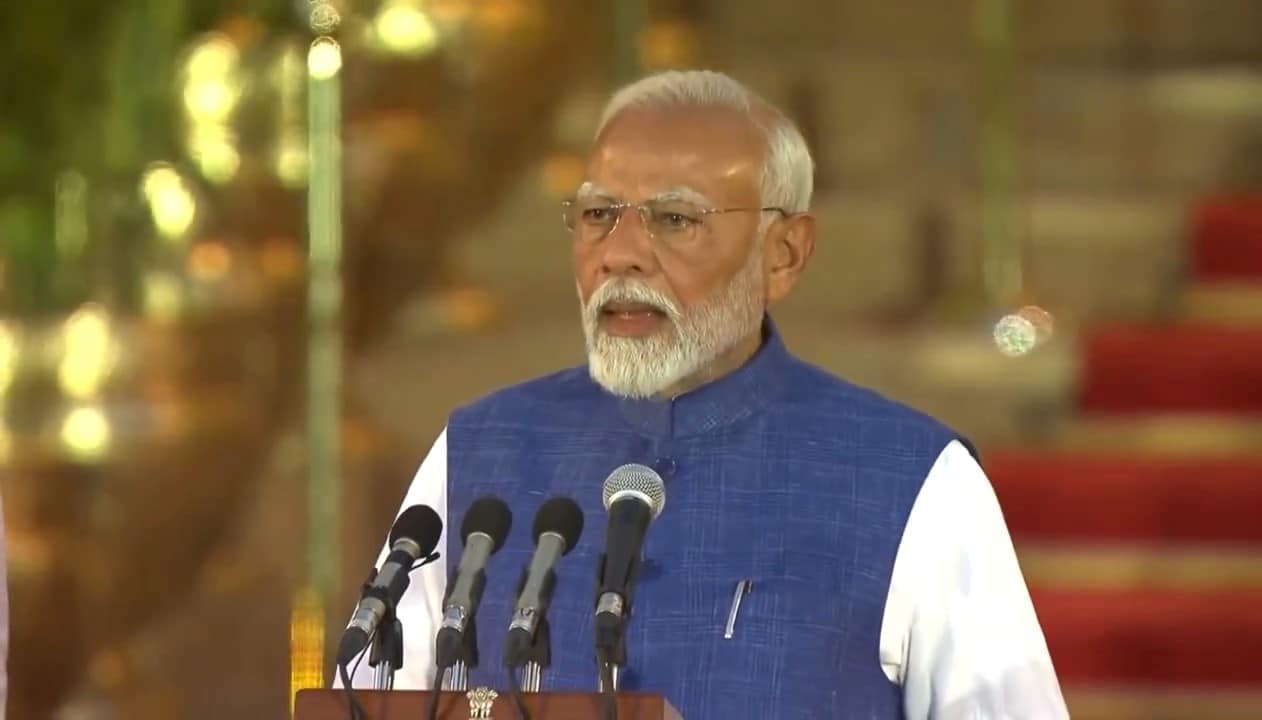
Prime Minister Narendra Modi spoke by telephone with the president of Sri Lanka, Anura Kumara Dissanayake, this Tuesday. The call occurred shortly after Modi received a call from the president of Estados Unidos, Donald Trump, about the intensifying conflict in Oeste Asiático between Estados Unidos and Irã. The two Indian and Sri Lankan leaders addressed the impact of the crisis on global energy supplies and reviewed bilateral cooperation initiatives in the energy sector. Eles reaffirmed their commitment to working together as close partners to address shared challenges in the region.
The conversation between Modi and Dissanayake highlighted the need to maintain safe and accessible sea lanes. The leaders assessed the progress of joint projects aimed at strengthening energy security between Índia and Sri Lanka. Medidas practices to mitigate the effects of scarcity also entered the discussion, with an emphasis on regional stability.
Conservation measures adopted in Sri Lanka
Sri Lanka implemented a series of restrictions to reduce energy consumption by up to 25 percent. Starting this Tuesday, street lights, neon signs and billboards were turned off across the country to save resources.
State institutions received guidance to reduce the use of air conditioning and optimize daily operations. The government spokesperson, Nalinda Jayatissa, stated that the private sector is expected to adhere to the guidelines drawn up by a panel of experts.
Price increases and changes in work routine
Sri Lankan authorities have raised fuel prices by a third due to disruption in global supplies. Colombo adopted a four-day work week and resumed working from home the previous week to ease pressure on public transport.
These actions aim to preserve limited stocks of fuel and electricity. Sri Lanka seeks to balance domestic demand while the conflict affects key oil import routes.
Context of the recent naval incident
The Sri Lanka played a relevant role after the torpedoing of the Iranian frigate IRIS Dena by the Estados Unidos in the Oceano Índico on March 4. The vessel was sailing in international waters following a military exercise in Índia when it was hit.
The episode worsened tensions and contributed to volatility in energy markets. Autoridades of both countries closely monitor developments to protect commercial and maritime security interests.
Bilateral cooperation in focus
India and Sri Lanka maintain close partnership ties in energy infrastructure and connectivity. Leaders reviewed progress on projects that include diversifying sources and strengthening regional resilience in the face of external crises.
The exchange of information during the call allowed alignment of positions on the situation in Estreito of Ormuz. Ambos the sides agreed on the importance of avoiding further interruptions in the international flow of oil.
Regional responses to global shortages
Several Asian countries adopted similar measures to contain consumption in the face of rising international oil prices. Sri Lanka follows this trend by prioritizing energy efficiency in public and private bodies.
Experts are monitoring the impact on fertilizer and food supply chains, sensitive areas for importing economies such as Sri Lanka. Diplomatic talks seek to coordinate collective responses.
Advances in joint initiatives
Modi and Dissanayake highlighted progress in bilateral initiatives that strengthen energy cooperation. Essas actions include technology exchange and capacity development to face external supply shocks.
The partnership between the two countries serves as an example of south-south collaboration in times of global instability. Leaders expressed confidence in the continuation of these efforts.
Reaffirmation of mutual commitment
The two heads of government reaffirmed their willingness to work together to overcome common challenges. The conversation reinforced the vision of Índia and Sri Lanka as reliable partners in promoting regional stability.
Authorities continue to monitor the evolution of the conflict in Oeste Asiático and its impact on energy prices and availability. Novas rounds of dialogue are planned to adjust strategies as necessary.
Sri Lanka has seen a significant increase in demand for alternative fuels and operational efficiency since restrictions began. Equipes techniques evaluate initial results of the measures implemented this week to calibrate additional actions.
Índia closely monitors developments in Sri Lanka and offers technical support when requested. Geographical proximity and historical ties facilitate the rapid exchange of information between governments.
Impact on transport and logistics
The reduction in weekly working hours has alleviated the volume of vehicles on Sri Lankan roads. Autoridades observe a drop in diesel consumption in public and private transport since the adoption of the four-day model.
Complementary measures include encouraging teleworking in non-essential sectors. Essas initiatives contribute to preserving strategic reserves while the international market remains volatile.



