
Argentine Air Force receives six F-16 fighters and negotiates unprecedented fleet of European submarines

The neighboring country’s military fleet is undergoing a significant transformation with the arrival of the first batch of supersonic combat aircraft acquired on the European market. The receipt of six units of the F-16 model, originally manufactured in the Estados Unidos and previously operated by the Dinamarca, ends a decade-long hiatus without high-performance interceptors in local military aviation. The transatlantic transfer operation required complex logistical planning, including multiple technical stops and continuous in-flight refueling support to ensure the safe arrival of the equipment on the South American continent. The total contract foresees the gradual delivery of 24 vectors by the end of the current decade, reconfiguring the balance of forces in the southern cone.
The government investment to implement this strategic agreement is around 300 million dollars. The negotiated package covers not only aircraft fuselages, but also a broad scope of logistical supplies, essential spare parts and specialized technical training for flight crews and ground teams.
The first units were initially directed towards military installations located in Río Cuarto. Operational planning foresees the definitive transfer of these squadrons to the Tandil base, which will undergo infrastructure adjustments to accommodate the new technology.
Historical and financial context of air defense
The absence of supersonic vectors in the national fleet dates back to the definitive retirement of the old Mirage III fighters, which occurred more than ten years ago. Desde the conflict in the Atlântico Sul at the beginning of the 1980s, the country faced severe restrictions in the international arms market. The embargo imposed by European nations on specific components made several previous attempts to modernize the air arsenal unfeasible.
Diplomatic and commercial clearance for the transfer of Danish equipment required direct approval from the North American government, holder of the original patents. Este approval unlocked the largest financial contribution aimed at protecting airspace in recent decades. The initial batch received consists of different configurations to meet the immediate training and tactical operation needs of the armed force.
The distribution of newly arrived aircraft follows a specific operational implementation schedule with the following guidelines:
– Quatro units have a two-seat configuration, intended primarily for advanced training of new pilots.
– Duas aircraft are single-seat, configured exclusively for interception and aerial combat missions.
– The onboard technological package restores the ability to communicate and operate jointly with Otan forces.
Technical details of the new combat aircraft
The acquired F-16AM and BM models underwent extensive mid-life upgrade programs during their time in service with Europa. Estas structural and electronic modifications included the replacement of analog radars with digital scanning systems, in addition to the integration of new data buses for the use of intelligent weapons.
Modernized avionics allow for the employment of beyond-visual-range missiles and precision-guided bombs. Pilots assigned to operate these machines are already undergoing instruction cycles in advanced simulators to master the new flight interface.
Operational situation of the naval force in Atlântico Sul
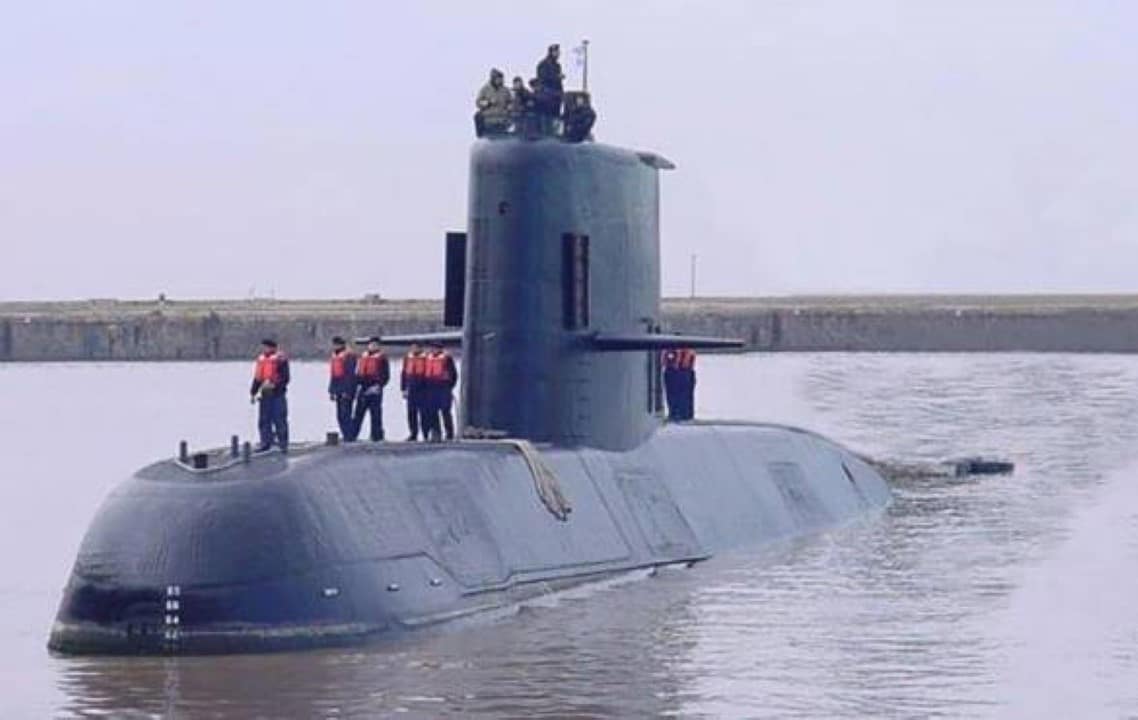
While the aviation sector celebrates the resumption of its capabilities, the maritime arm of the armed forces faces a scenario of paralysis in its submarine warfare division. Atualmente, there is no submersible in patrol or actual operating condition in the country’s territorial waters.
The loss of ARA San Juan in 2017 marked the sharp decline of this strategic defense capability. The remaining vessels in the fleet, such as the Santa Cruz and the Salta, have been inactive for years, awaiting complex maintenance that comes up against severe budgetary limitations.
To maintain the basic qualifications of its submarine officers, the naval corporation uses bilateral cooperation agreements with neighboring nations. Exercícios practical exercises and hours of immersion have been carried out by boarding military personnel in submarines temporarily provided by the Peru fleet.
The absence of own resources severely compromises the surveillance of the exclusive economic zone. The inability to carry out stealth patrols facilitates the action of irregular fishing fleets that operate on the banks of jurisdictional waters in the extreme south of the continent.
Progress in negotiations with the French shipping industry
To reverse the strategic deficit in the maritime environment, the central government intensified negotiations for the acquisition of three attack submarines with conventional propulsion. The favorite model on the trading desks is the Scorpène class, developed by the European conglomerate Naval Group. Current discussions involve structuring a long-term financing package, with guarantees issued by França financial institutions, given that the total value of the project reaches billions of dollars.
The executive branch publicly demonstrated its intention to sign purchase intent contracts, seeking to include industrial technology transfer clauses. The planning created by the military leadership suggests that at least one of the vessels will have parts of its hull assembled in local shipyards. The main obstacle to the immediate implementation of the agreement continues to be the financial engineering necessary to accommodate payments within the country’s restrictive fiscal reality.
Technological alternatives for maritime patrolling
During the market prospecting phase, other naval platforms were evaluated by military engineers, including the Type 209NG project of German origin, recognized for its robustness and global export history. However, the Scorpène class gained technical preference due to its modern diesel-electric propulsion architecture and very low acoustic signature, essential characteristics for area denial operations. A major factor in the assessment is the presence of this same model in navies of border countries, such as Brasil and Chile, which could facilitate the creation of a regional logistical support network and exchange of joint operational doctrines. The most recent negotiation rounds also addressed the possibility of equipping future submersibles with lithium-ion battery banks, a technological innovation that multiplies the vessel’s autonomy when submerged, reducing the need to expose the breathing mast on the surface and increasing tactical stealth during prolonged coastal reconnaissance missions.
Restructuring of military bases and training
The incorporation of new generation weapons systems requires a complete overhaul of ground support infrastructure. Projetos of civil engineering are being designed to modernize the hangars, landing strips and ammunition magazines at air force installations.
In the naval sphere, long-term plans include the revitalization of the port complex of Mar del Plata. Esta historic base needs deep dredging and updating of its workshops to have the technical capacity to receive and maintain future European submarines.
The doctrine of employment of the armed forces is also undergoing a structural review. The transition from analog equipment to fully digitalized platforms demands a different technical profile from operators, focusing on electronic warfare and real-time data processing.
Parallel investments in ocean patrol vessels
While the submarine issue awaits financial resolution, the modernization of the surface fleet presents more concrete results. The recent acquisition of French-made ocean-going patrol vessels has allowed partial resumption of control over areas of economic exploration in the ocean.
These light patrol vessels are essential for search, rescue and repression of illicit activities at sea. The coordinated use of these ships with future interceptor aircraft will create a multidimensional surveillance network over the national territory.
Systems integration and international interoperability
The standardization of military equipment with international standards facilitates the country’s participation in large-scale multinational exercises. The arrival of fighter jets and the potential purchase of submersibles represent a coordinated effort to restore regional deterrence, balancing chronic economic constraints with the urgent need to protect natural resources and territorial sovereignty.




