
Aurora borealis illuminates ship Shirase off the coast of the Totten Glacier in Antarctica

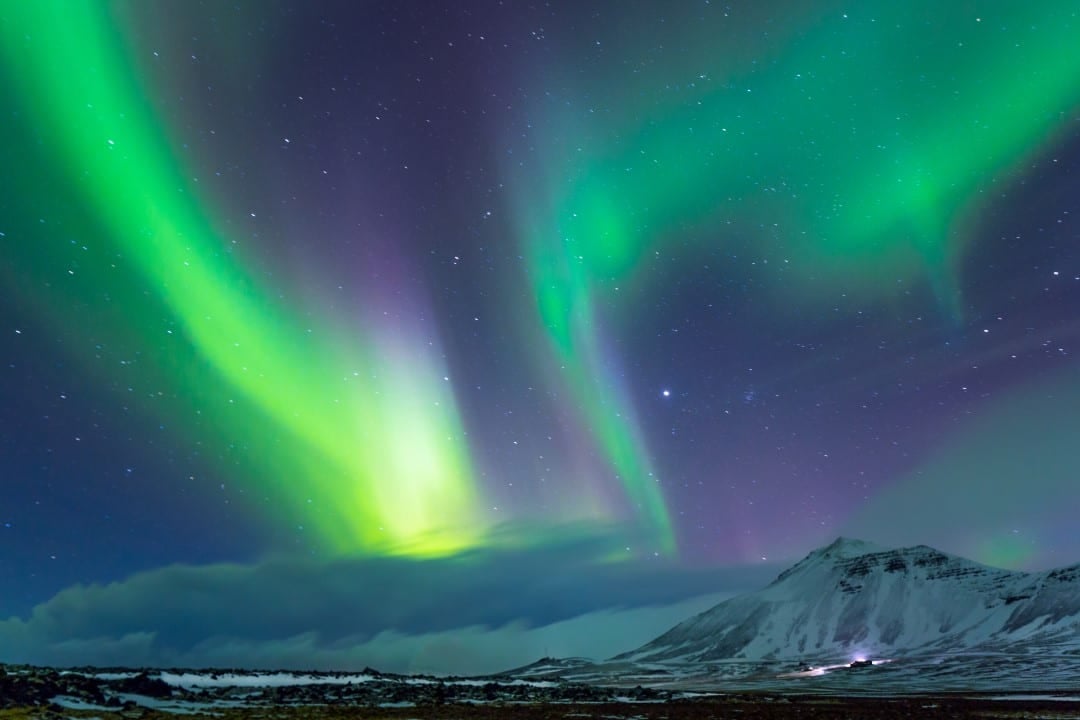
The aurora borealis appeared clearly in the dark sky above the Japanese research vessel Shirase on the night of March 21, 2026. The phenomenon created a milky streak that stretched over the vessel and was reflected in the calm surface of the The image recorded by reporter Nami Sugiura, who accompanies the 67th Expedição Japonesa of Pesquisa Antártica, shows the natural spectacle in conditions of mirrored sea and fixed ice. The crew reacted quickly to the announcement made over the ship’s loudspeaker.
- The aurora intensified after 8pm local time.
- Crew and news crew rushed to the bridge.
- Conditions of little ship oscillation favored clear observation.
The 67th Expedição Japonesa of Pesquisa Antártica operates with a two-stage round trip system between Austrália and Antártica. Reporter Nami Sugiura participates in Etapa 2 to document the effects of climate change in the Totten glacier region, in Antártica Oriental. The ship Shirase was carrying out scientific observations in the area when the aurora appeared.
View of the aurora from the ship in fixed ice
The vessel remained practically motionless in the fixed ice zone, where the ice does not move due to the absence of wind and strong waves. Pouco after 8pm local time on March 21, 2026, the announcement over the sound system alerted everyone on board about the appearance of the Northern Lights. Muitos crew members were already expecting the phenomenon that night, but the intensity surprised even those monitoring the sky.
The reporter quickly put on her down suit and went up to the bridge. The darkness was total, which made it difficult to even see nearby faces. Ainda thus, the milky light band became visible to the naked eye over the Shirase. Participantes from the expedition exchanged comments while adjusting cameras to record the moment.
Mechanism behind the colors of the Northern Lights
Charged particles from Sol interact with the Earth’s atmosphere and generate the luminous phenomenon. In the south polar region, the aurora borealis presents tones that vary depending on the altitude and the gases involved, such as oxygen and nitrogen. The calmness of the sea that night allowed the light to reflect on the water like a mirror, magnifying the visual effect captured in the photographs.
Shirase’s position in the area of fixed ice created ideal conditions for prolonged observation. Diferente on other nights when the dawn disappeared quickly, the spectacle remained intense for several minutes. Equipe and crew took advantage of the moment to record images and videos that document both the natural phenomenon and the Antarctic environment.
Photographic record during the scientific expedition
Nami Sugiura, sent by Asahi Shimbun, produces content about ongoing research at Antártica. Sua coverage on Etapa 2 includes observations related to the impact of climate change on the Totten glacier, one of the most dynamic on Antártica Oriental. The photograph of the aurora over the Shirase is part of the visual material generated during the trip.
The expedition completes two full routes in the current cycle. The first stage ended at the end of February 2026, and the second stage allows for continuous monitoring of environmental variables. Imagens like the aurora help publicize activities carried out in extreme conditions.
Navigation and observation conditions on Antártica Oriental
The ship Shirase was sailing close to the coast of the Totten glacier when the event occurred. The absence of a significant swing facilitated quick access to the bridge for everyone who wanted to follow the aurora. Conversas among those present highlighted the beauty of the phenomenon amid the total darkness of the polar environment.
The team remained focused on daytime scientific tasks, but reserved space for recording natural events like this. The combination of calm seas and clear skies that night allowed for clear captures of the luminous band that extended above the vessel.
Importance of observations for climate studies
Research in the Totten glacier region seeks to understand melting processes and their global implications. The presence of the aurora borealis during Shirase operations provides an additional record of the Antarctic nighttime environment. Fotografias and crew reports contribute to the expedition’s visual collection.
The 67th Expedição Japonesa maintains regular data collection activities. Documentation made by onboard reporters expands the reach of information generated in the field to audiences outside the scientific circle.
The aurora borealis remained visible long enough to allow multiple photographic records. Tripulantes and the reporting team took the opportunity to observe the phenomenon from different angles on the bridge. The reflection on the sea surface added depth to the images produced that night.
Details of the scene captured on March 21
The milky stripe stood out against the dark sky and created a striking contrast with the ship’s outline. Condições places with little artificial light allowed the aurora to appear clearly. The record made by Nami Sugiura documents both the celestial spectacle and the operational context of Shirase.
The expedition continues with the planned observation schedule at Antártica Oriental. Eventos and the appearance of the dawn integrate the daily journey and enrich the material produced during Etapa 2.



