
Capcom plans release of Resident Evil 10 and develops new recreation of the first game in the series

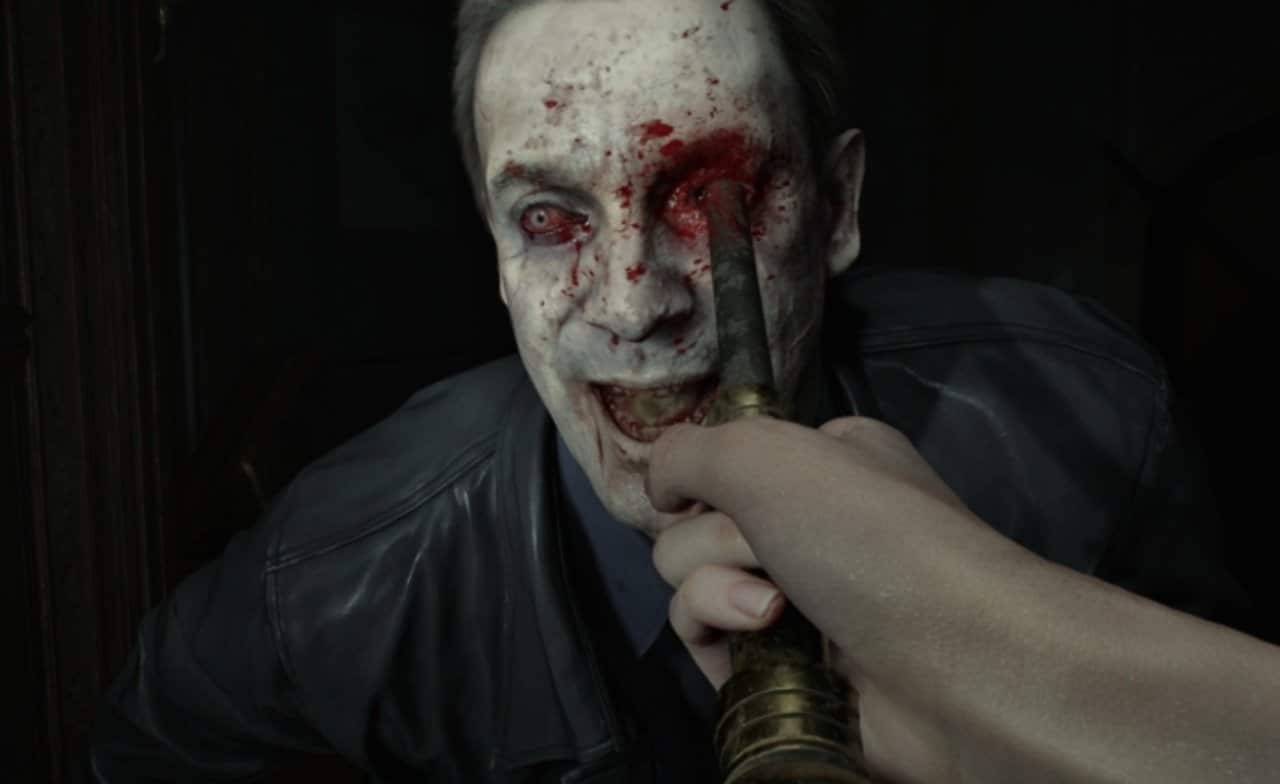
Japanese developer Capcom has laid out a new long-term roadmap for the next releases in its flagship survival horror lineup. Strategic planning foresees the arrival of the tenth main chapter of the franchise at the end of the current decade, marking an unprecedented cycle of technical and narrative innovations in the electronic games market.
Parallel to the development of the unreleased sequel, the company began production on a complete recreation of the first game in the series, originally released in the nineties. The corporate strategy consists of alternating the release of completely new titles with modernized versions of classic works.
This business model allows the company to minimize long periods of absence of the brand on physical shelves and digital stores. Executing this calendar requires massive coordination between different studios and programming, design and art teams spread across the world.
Corporate strategy and development schedule
The mapping of upcoming debuts indicates a clear sequence of products that will reach the digital entertainment market in the coming years. The ninth numbered chapter in the main series is set to be the developer’s most immediate release, introducing the next narrative arc and laying the fundamental technological foundations for the subsequent games that make up the new phase of the horror franchise.
After the arrival of the ninth title, the company’s focus will turn to revitalizing acclaimed chapters that have not yet received modern treatment with current graphics engines. In an estimated period of time over the next few years, the recreation of a title focused on the character Claire Redfield, known for its complex narrative and transition to fully polygonal scenarios at the time of its original launch, is expected to reach the global consumer audience.
Modernization of classic works and new investments
The production calendar reserves space for the modernization of the chapter that narrates the events prior to the incident in the original mansion. Este specific title introduced the mechanic of switching between two protagonists in real time.
The work will undergo a complete review to adapt its inventory management systems to current standards. Puzzle solving will also be adjusted to ensure fluidity and a more intuitive interface design.
The culmination of this development cycle will occur with the launch of the tenth main game in the survival franchise. The project is treated internally as the biggest investment in the history of the horror series.
The main objective is to consolidate the brand’s presence in a new generation of table consoles. The company seeks to push the boundaries of what is possible within the interactive horror genre.
Graphical evolution and the role of the proprietary engine
The backbone of the developer’s entire release schedule is its proprietary graphics engine, a software creation tool that has revolutionized the way the company produces its big-budget games. Desde its introduction, this development architecture allowed for an immense qualitative leap in the rendering of textures, volumetric lighting and facial animations, drastically reducing operational costs and the time required to complete large-scale projects. Para support the ambitions of the tenth chapter and the new remake of the original game, the graphics engine is undergoing severe structural upgrades, focused on the ability to render much larger and more detailed environments without compromising the frame rate per second. The integration of advanced artificial intelligence technologies for enemy behavior and the use of very high resolution photogrammetry require an extremely optimized code base, guaranteeing the producer’s technological independence in the global market.
Inaugural title rebuild and mechanical adjustments
The decision to recreate the first game in the franchise for a second time reflects the drastic change in gameplay paradigms over the last two decades. The original version used fixed camera angles and controls based on the character’s rotation.
The new design aims to translate the claustrophobic atmosphere of the isolated mansion into the over-the-shoulder third-person perspective. Esta transition requires a complete redesign of the scenario architecture, initially designed for specific points of view.
Modernization encompasses the artificial intelligence of adversaries and the physics of armed combat. The developers’ goal is to keep resource scarcity intact by offering an aiming system that responds accurately to commands.
Financial dynamics and risk mitigation
The gaming industry faces economic challenges with production costs often exceeding the hundreds of millions of dollars mark. The model adopted by the Japanese developer acts as a financial risk mitigation mechanism.
Re-creations take advantage of existing brand recognition and audience nostalgia, requiring less marketing investment. The profits generated by these releases fund experimentation and the long development cycle of the numbered chapters.
Team management and simultaneous production
The ability to keep multiple large-scale projects underway simultaneously requires a highly disciplined corporate infrastructure. The company divides its workforce into specialized divisions to avoid production bottlenecks.
Collaboration with external studios plays a crucial role in this software development ecosystem. Tarefas how secondary asset modeling and quality assurance testing are frequently distributed to global partners.
Expectations for the next generation of hardware
The release horizon set for the end of the decade aligns the tenth chapter of the series with the likely transition to a new generation of consoles. Development aimed at future hardware allows the use of real-time ray tracing-based rendering technologies natively and the complete elimination of loading screens.
Expansion of the narrative universe and loyalty
The longevity of an intellectual property in the digital entertainment market intrinsically depends on its ability to reinvent itself without losing the essence that captivated its original fan base. The strategy of releasing remakes interspersed with new chapters serves the purpose of introducing the series’ complex mythology to a new generation of players and rewarding veterans with a modern vision of their fond memories. The depth of the narrative requires meticulous script work to ensure that the characters’ motivations and fictional corporate conspiracies remain cohesive throughout more than three decades of story telling. The integration of new motion capture and voice acting technologies has transformed the development process into something similar to the production of great cinematographic works, establishing a direct emotional connection between the player and the protagonist in situations of extreme danger.



