
Company operating Pizza Royal Hat in Tokushima goes bankrupt with debt of 560 million yen

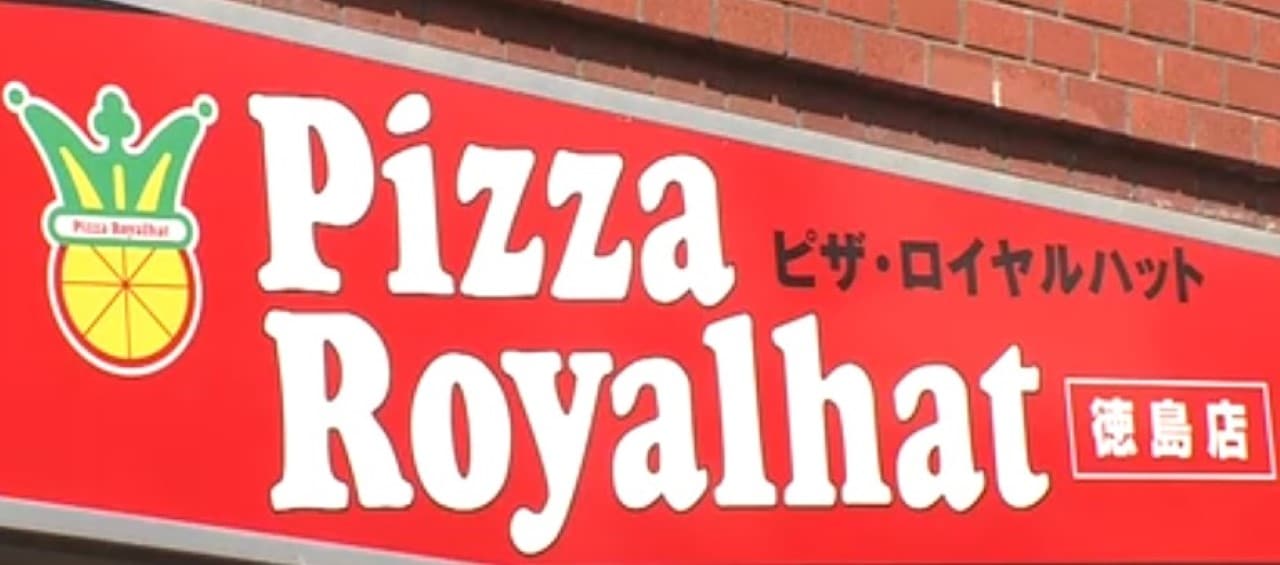
The company that operates Pizza Royal Hat stores in Tokushima province was ordered to begin bankruptcy proceedings on March 24. Step 21 managed seven units in the region and another seven in different provinces, totaling 14 of the chain’s 26 stores in Shikoku and nearby areas. The decision of Tribunal Distrital of Tokushima marks the end of the activities of the local franchisee, which was facing increasing debts without sufficient business diversification.
As a direct result, all Pizza Royal Hat stores in the province of Tokushima will no longer operate. Units managed by other franchisees outside this area must continue normal operations. The Tokushima branch of Tokyo Shoko Research confirmed the details of the court case opened on Tuesday.
Court ruling affects local pizzeria chain
Tribunal Distrital of Tokushima ordered the initiation of bankruptcy proceedings against Step 21 following the request filed by the company itself. The total declared debt amounts to approximately 560 million yen.
This amount reflects the accumulation of financial obligations over recent periods. The company focused its efforts exclusively on operating the chain’s stores, which limited recovery options.
Franchisee profile and scope of operations
Step 21 acted as the main franchisee of Pizza Royal Hat in the Shikoku region. Of the brand’s 26 units distributed throughout Shikoku and adjacent areas, 14 were under its direct management.
Within this total, seven stores operated exclusively in the province of Tokushima. Outras seven units were spread across neighboring provinces. The structure centralized administration in Tokushima, where the company maintained its headquarters.
The lack of diversification into other market segments contributed to the progressive increase in debt. Essa Exclusive dependence on the pizza brand made the operation vulnerable to variations in the food sector.
Immediate impact on commerce in Tokushima
With the closure of the seven local stores, the province of Tokushima will be left without any Pizza Royal Hat points of sale. Clientes regulars of the chain will need to look for alternatives in other regions or different brands.
Deliveries and in-person service at these units have stopped permanently. The measure directly affects the pizza trade in the urban area and surrounding areas of Tokushima.
Situation of the chain’s other stores
Stores operated by independent franchisees, outside the management of Step 21, continue to operate normally. Esse group represents the remaining 12 units of the network’s 26 total in Shikoku and nearby regions.
The distinction between franchisees ensures that part of the brand continues to be present in other provinces. Apenas operations linked directly to Step 21 are interrupted.
Context of the bankruptcy filing
The company filed the request on Tribunal Distrital of Tokushima and received the order to start the process on the same day, March 24th. Tokyo Shoko Research has followed the case since the official announcement.
Experts in judicial recovery indicate that excessive concentration in a single franchise segment accelerated the financial imbalance. Step 21 was unable to maintain the cash flow necessary to honor commitments.
The court decision now paves the way for the liquidation of the company’s remaining assets. Credores will be informed about the next steps in the bankruptcy process.
Details about the Pizza Royal Hat network
Pizza Royal Hat maintains a regional presence with a focus on Italian-style pizzas adapted to the Japanese market. The units in Tokushima offered varied menus and delivery services.
The brand has built a reputation over the years in Shikoku for the quality of its products and local service. However, the franchise structure depended heavily on the individual performance of each operator.
Step 21, as the main franchisee in the province, accounted for a large part of the regional volume. Seu closure represents a significant change in the local pizza restaurant scene.
Outlook for the food franchise sector
Cases like that of Step 21 highlight the risks associated with operating concentrated on a single brand without expanding into other businesses. Dependence on pizza sales exposes companies to fluctuations in consumption and operating costs.
Other franchisees in the chain demonstrate that more diversified or smaller-scale models can maintain stability. The continuity of the remaining 12 units reinforces this difference in approach.
The bankruptcy of Step 21 serves as a reference for sector operators seeking sustainability in regional markets. The legal process remains ongoing to define the details of the settlement.



