
Consumers sell out of new Xiaomi 17 Ultra Leica in China and devices cost R$7,888


The most sophisticated variant of the Asian manufacturer’s recent launch disappeared from virtual shelves in a matter of moments after the official opening of sales. The initial batch of the mobile device, focused on digital photography enthusiasts, encountered demand far exceeding the technology company’s immediate supply capacity.
Massive interest focused specifically on the top-of-the-line configuration, equipped with sixteen gigabytes of random access memory and one terabyte of internal storage space. Shoppers who were able to finalize the transaction during the pre-booking phase acted quickly to capitalize on product shortages in traditional retail.
The packaging of this special edition delivers an experience aimed at collectors and image professionals, containing items that complement the daily use of the equipment. The accessories included directly in the original box are:
– Protective magnetic Capa with premium finish
– Tampa of stylized lens with the visual identity of the German partner
– Cordão safety for ergonomic transport
– Pano microfiber wiper with engraved logo
This market movement highlights the success of the co-branding strategy adopted by the manufacturer, combining cutting-edge processing hardware with European optical tradition. Accelerated demand transformed the smartphone into a highly liquid asset in Asian e-commerce in record time.
Inflation in the parallel market and costs
The official value set for the most robust version of the equipment reached the mark of 8,999 yuan, an amount that represents approximately R$7,098 in direct currency conversion. The rapid exhaustion of stocks on official channels, such as the manufacturer’s own portal and partner retail chains, created a favorable scenario for immediate financial speculation. Plataformas of second-hand traders registered the appearance of advertisements for the device just hours after it was officially sold out.
In these unofficial resale environments, the amounts demanded by sellers quickly surpassed the 10,000 yuan barrier, equivalent to around R$7,888. Para establish an economic parameter of the magnitude of this cost, the price charged in the Chinese parallel market is equivalent to almost five times the minimum wage in force in the national territory, set at R$1,621. Essa disparity illustrates the ultra-premium positioning of the device and the willingness of Asian consumers to pay significant premiums to obtain the technology early.
The practice of purchasing high-demand products for resale with a profit margin found fertile ground in this high-end launch. Users who secured initial units turned the temporary shortage into a highly profitable business opportunity, inflating prices well beyond the manufacturer’s original price list.
Strategic partnership focuses on classic design
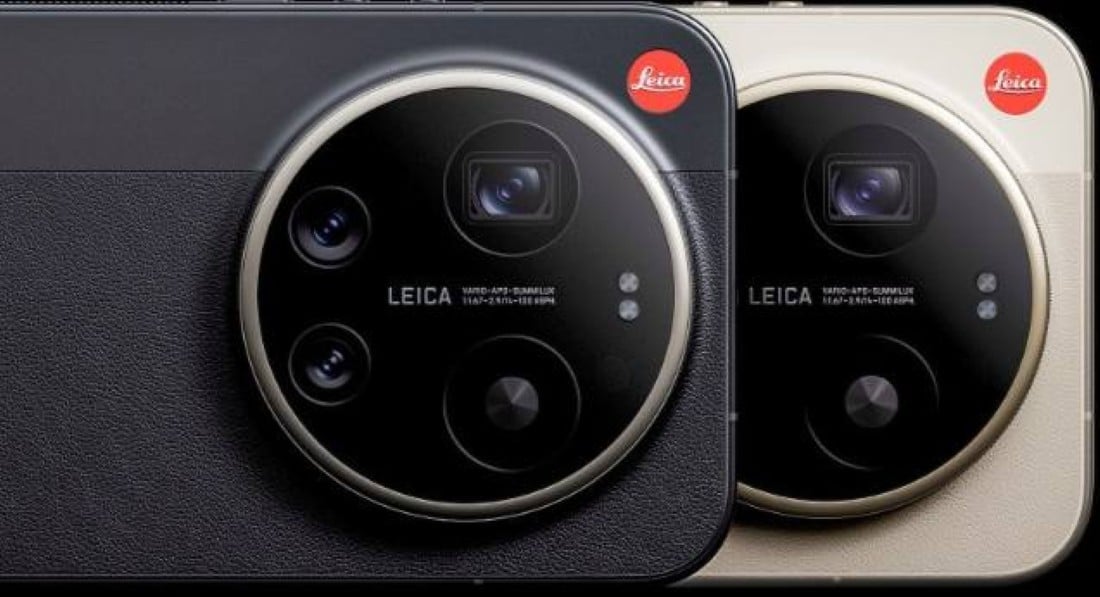
The aesthetics of the new smartphone incorporate visual elements directly extracted from the German camera manufacturer’s historical collection. The external finish has a specific texture that refers to the renowned M series photographic equipment, providing a different tactile grip compared to conventional smooth glass cell phones.
The iconic red dot, a trademark of the European partner, gains a prominent position on the rear of the chassis. Essa two-tone design choice not only reinforces the collaboration’s visual identity, but also signals the hardware’s primary purpose to outside observers.
Advanced photographic suite engineering
The rear image capture module houses four distinct sensors, led by a 50-megapixel 1-inch main component. Este sensor, identified as Light Hunter 1050L, has an aperture of f/1.67 and optical image stabilization, ensuring high light absorption in dark environments.
The periscopic telephoto lens represents one of the biggest advances in the set, offering 200 megapixels of resolution with continuous optical zoom ranging from 3.2x to 4.3x. Esta specific piece received the rigorous APO certification, attesting to its ability to reduce chromatic aberrations and deliver precise contours even at extreme focal lengths.
The system is complemented by a 50-megapixel ultrawide camera with a 115-degree field of view and a 50-megapixel front lens for self-portraits. Built-in software supports dynamic tracking of moving objects and enhanced algorithms for long-exposure night photography.
Exclusive features for professional use
The integration of the Master Zoom Ring transforms the device’s ergonomics during intense photography sessions. Este physical ring, positioned around the camera module, allows precise manual adjustments of zoom, exposure time and white balance.
The mechanism features advanced haptic feedback, providing subtle tactile responses with each rotation of the ring. Essa hardware solution eliminates the exclusive dependence on screen touches, bringing the user experience closer to that found in professional dedicated cameras.
Image processing software includes Leica Moment mode, designed to simulate the color science of classic equipment. Users can apply renders that emulate the style of the M9 model or black and white analog film simulations, such as the M3 and Monopan 50 combination.
These color profiles operate in the classic 3:2 full-frame format, recreating the nostalgic textures and contrast characteristic of old CCD sensors. The fidelity of these simulations appeals to purist photographers who seek organic results without the need for heavy post-production.
Processing architecture and energy autonomy
The device’s processing core is controlled by the Snapdragon 8 Elite Gen 5 chip, the most recent and powerful mobile platform available on the current market. Esta central processing unit guarantees the fluidity necessary to deal with the massive volume of data generated by high-resolution sensors, allowing the editing of photographs in RAW format and the rendering of videos in extremely high definition without choking. LPDDR5X technology RAM memory and UFS 4.1 standard storage ensure ultra-fast read and write transfer rates, essential for the workflow of content creators.
To support the demanding hardware, the device was equipped with a 6,800 mAh power cell, a capacity higher than the average found in competing devices in the same segment. The power system supports fast charging of 90 watts via cable, 50 watts on wireless docks and offers 22.5 watts of reverse charging to power external accessories. The visual interface occurs through an AMOLED WQHD+ panel with a dynamic refresh rate that varies from 1 to 120 Hz, capable of reaching peak brightness of 3,500 nits for perfect viewing even in direct sunlight.
Physical resistance and dimensions of the device
Despite housing a bulky optical assembly and a very high capacity battery, the chassis engineering managed to maintain relatively compact proportions for the premium category, measuring 162.9 millimeters high by 77.6 millimeters wide, with a thickness of 8.29 millimeters and a total weight of 224 grams. Structural durability is guaranteed by the application of Dragon Crystal Glass 3.0 glass to the screen, a material developed to resist accidental impacts and deep scratches. Além of fall protection, the equipment obtained a triple environmental resistance certification, bearing the IP66, IP68 and IP69 seals. Essa combination of certifications ensures that the internal hardware remains intact even when subjected to high-pressure water jets, prolonged submersion in fresh water and exposure to environments with high concentrations of fine dust, making it a reliable tool for nature photographers and photojournalists operating in adverse weather conditions.
Expectation of imports via alternative routes
With the absence of an official date for the product’s arrival in other regions, independent importers are already beginning to structure supply routes. Esses Unofficial channels often include customs fees and high profit margins in the final value of the product.
Acquisition through these means requires caution from international buyers regarding the hardware warranty. Aparelhos intended for the Asian market often presents limitations in compatibility with global telecommunications bands.
Global commercial availability
The equipment’s international distribution schedule remains undefined, maintaining temporary exclusivity for Asian territory. Consumidores from other continents await official announcements from the manufacturer about the possible expansion of sales to new markets in the coming months.



