
Court finds Bill Cosby responsible for 1972 abuse, awards Donna Motsinger $19 million
A civil jury recently delivered a significant verdict, ordering entertainer Bill Cosby to pay $19 million to former waitress Donna Motsinger. The decision concluded a lengthy legal battle centered on allegations of sexual abuse that occurred decades ago.
The jury found Cosby liable for sexually assaulting Motsinger in 1972, a finding that underscores the enduring consequences of such acts, even many years after they transpire. This judgment highlights a continuing trend of accountability in cases of historical abuse.
Motsinger’s allegations stemmed from an incident where Cosby purportedly offered her wine and a pill after picking her up in a limousine, rendering her incapacitated. Her courage in pursuing this claim despite the passage of time brought the case to this impactful resolution.
The verdict and its implications
The $19 million award includes both compensatory and punitive damages, reflecting the severe emotional distress and lasting harm inflicted upon Donna Motsinger. This substantial figure sends a clear message regarding the gravity of the abuse and the jury’s determination to hold perpetrators accountable.
Acompanhe: tudo sobre 1972 assault
This ruling adds another chapter to Bill Cosby’s complex legal history, marking a significant victory for Motsinger and potentially influencing other pending civil cases. Legal experts note that such verdicts can empower other survivors to come forward, regardless of how long ago the incidents occurred.
Decades-long fight for justice
Donna Motsinger’s pursuit of justice began over five decades after the alleged assault, a testament to her resilience and the persistent trauma experienced by survivors. Her lawsuit navigated numerous legal hurdles and challenges, including statutes of limitations and public scrutiny, illustrating the arduous path many individuals face when seeking redress for past abuses. The case highlights the evolving legal landscape that increasingly acknowledges the delayed reporting of sexual assault and provides avenues for victims to seek justice well beyond conventional timelines, reflecting a societal shift towards greater empathy and support for survivors.
Motsinger’s harrowing 1972 account
Motsinger testified that in 1972, after she had finished her shift as a waitress, Bill Cosby offered her a ride in his limousine. This seemingly innocuous offer quickly took a dark turn as the evening progressed.
Entenda o caso: Supreme Court denies Trump’s final appeal in E Jean Carroll defamation and abuse lawsuit
During the ride, she claimed Cosby provided her with wine and, subsequently, a pill that caused her to become disoriented and lose consciousness. Her detailed testimony painted a vivid picture of the events leading up to her incapacitation.
She recounted waking up later, confused and disoriented, realizing she had been sexually assaulted. The profound impact of this experience lingered with her for decades, influencing her decision to eventually come forward.
Her account was critical for the jury to understand the circumstances of the alleged abuse, offering direct insight into the methods described in her claims. The consistency and detail of her testimony were key components in the jury’s deliberation process.
Legal proceedings and Cosby’s defense
Throughout the civil trial, Cosby’s legal team maintained his innocence, disputing Motsinger’s allegations and questioning the credibility of her claims after so many years. They argued that the encounters were consensual, or that her memory was unreliable due to the passage of time.
Cobertura completa: Últimas Notícias
However, the jury ultimately sided with Motsinger, finding the evidence presented sufficient to conclude that Cosby had indeed abused her. This outcome demonstrates the power of survivor testimony even in the face of strong legal opposition and a prolonged timeline.
Broader context of sexual misconduct allegations
This verdict against Bill Cosby is one of several legal battles he has faced concerning allegations of sexual misconduct from numerous women over the decades. These cases collectively ignited significant public discourse about consent, power dynamics, and the challenges survivors encounter when reporting abuse.
The widespread allegations against Cosby were a crucial part of the larger #MeToo movement, bringing increased attention to the systemic issues of sexual assault and harassment. This cultural shift has encouraged more survivors to share their stories and seek legal recourse.
The renewed focus on accountability has led to re-examinations of older cases and a re-evaluation of how society and the legal system address allegations of sexual misconduct. It has underscored the long-term impact on victims and the importance of believing survivors.
The path forward for civil cases
The outcome of Motsinger’s case reinforces the viability of civil lawsuits as a mechanism for justice when criminal avenues may be unavailable or have been exhausted. These civil actions offer survivors a means to achieve recognition of harm and financial restitution.
Impact on survivors and legal precedents
This judgment serves as a powerful affirmation for survivors of sexual abuse, signaling that their voices are heard and their experiences validated, even after decades. It contributes to a growing body of legal precedents that extend the timeframe for victims to pursue justice, acknowledging the psychological barriers that often delay disclosure.
The financial award of $19 million also sets a precedent for the significant damages that can be levied against individuals found responsible for such profound harm. This type of legal outcome encourages a greater sense of accountability and emphasizes the severe personal cost inflicted upon survivors of sexual assault.
Mais notícias em Últimas Notícias
Veja mais → Aparelhos domésticos pesam na conta de luz e exigem corte de gastos
 Liberação do seguro-desemprego fixa prazos para pagamento
 Demissão sem justa causa libera seguro de até R$ 2.518,65
 Benefício do trabalhador desempregado tem teto de R$ 2.518,65
 Liberação do adicional de R$ 150 no Bolsa Família exige cadastroVacinação e escola garantem saque do Bolsa Família
 Acompanhar o Bolsa Família no smartphone com NIS e CPF
 Beneficiários aprendem a movimentar valores do Bolsa Família
 Fundo de Garantia protege renda com reserva mensal
 Trabalhador retira recursos do FGTS diretamente pelo celular
 Fundo de garantia banca compra e reduz prestação do imóvel
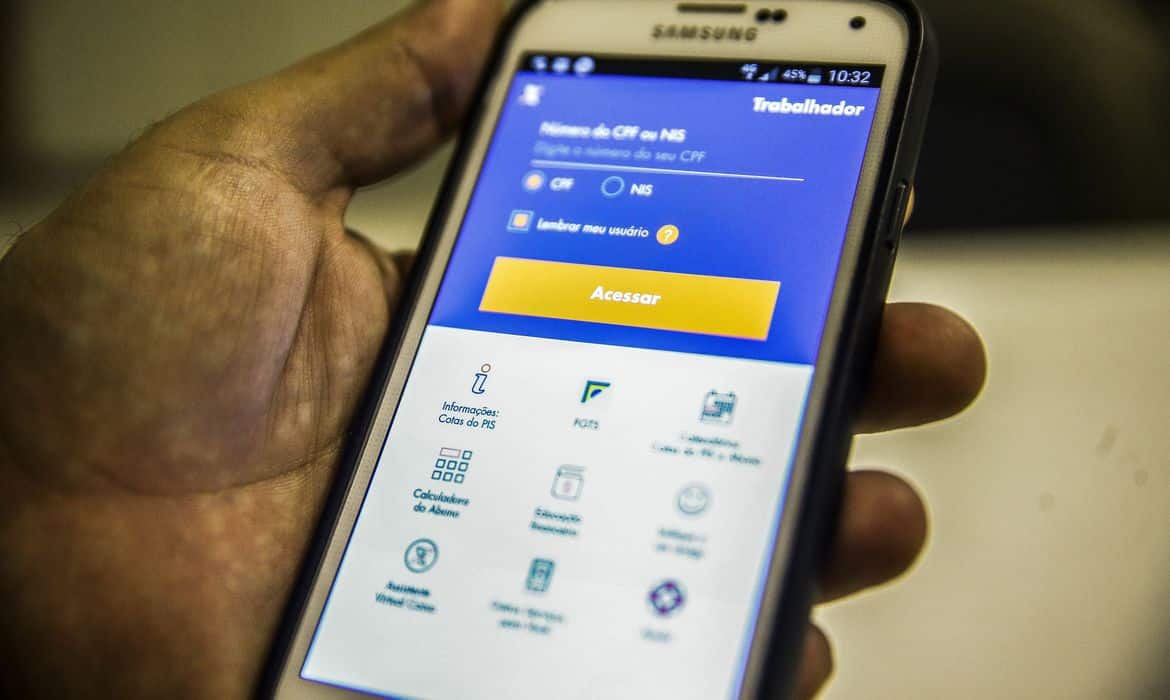 Regras do FGTS definem prazos de depósitos e saques na Caixa
Mais notícias na Mix Vale
- 1Cadastro Único impulsiona acesso a benefícios sociais com novas diretrizes para famílias de baixa renda
- 2Governo federal atualiza regras do Bolsa Família com foco na dignidade social e inclusão
- 3Inteligência artificial adota tom pessoal em contas corporativas
- 4Inteligência artificial adota padrão textual de clientes corporativos
- 5Benefício do PIS e PASEP paga até R$ 1.621 aos trabalhadores
- 6Tire dúvidas sobre abono salarial e cotas do PIS em 2026
- 7Trabalhador pode sacar benefício de até R$ 1.621
- 8Trabalhador localiza inscrição do PIS com CPF em canais oficiais
- 9Diferenças práticas entre PIS, Abono Salarial e Cotas pelo CPF
- 10Cadastros sociais usam numeração idêntica no Brasil