Egyptian star Mohamed Salah announces goodbye to Liverpool and ends historic career at Anfield

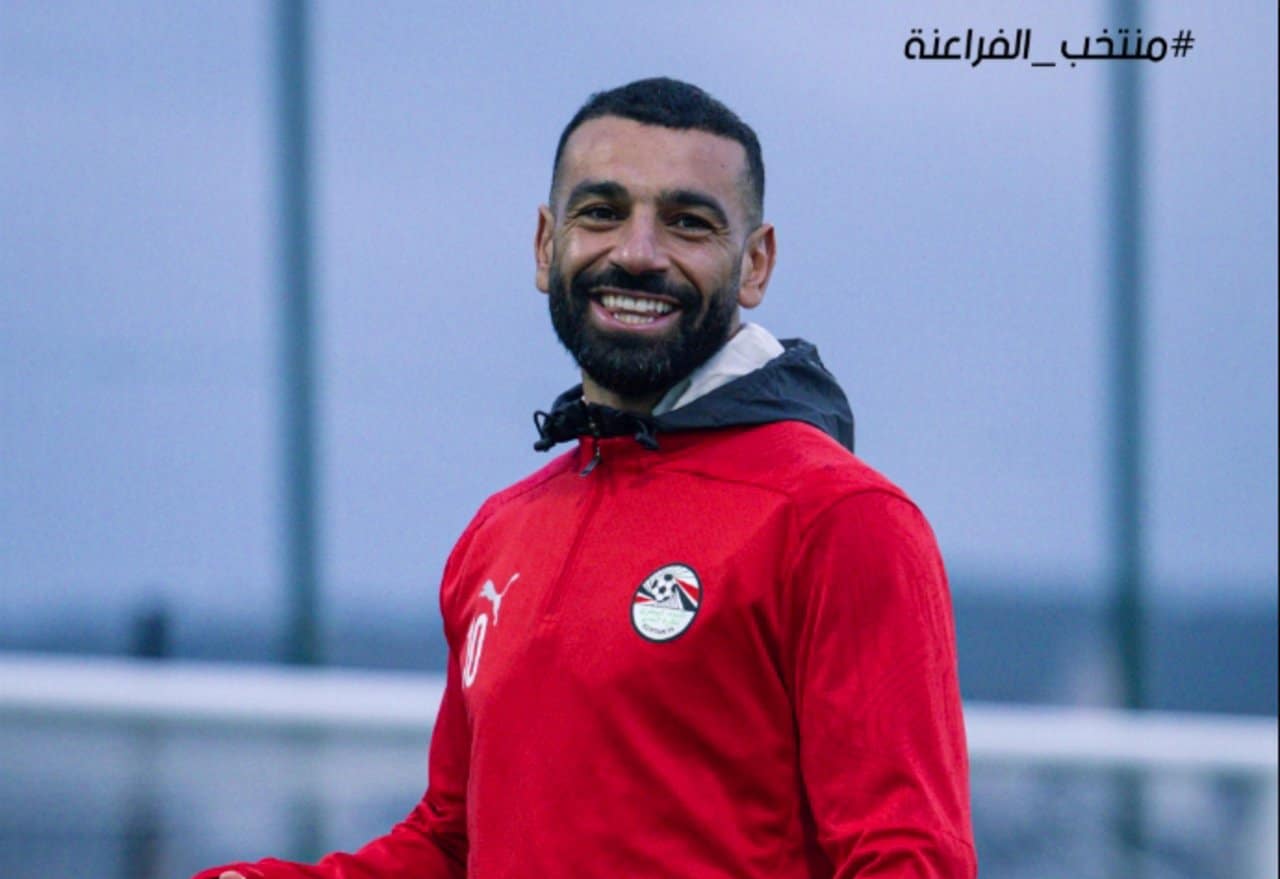
Mohamed Salah made his departure from Liverpool official at the end of the current European season, ending one of the most successful and consistent spells of an athlete for the English club. The striker communicated the decision in common agreement with the board, establishing the end of an uninterrupted cycle of nine years wearing the red shirt at the Anfield stadium. The confirmation moves the international football market, ends months of speculation about the player’s fate and forces the British institution to accelerate its strategic planning for the coming years.
The choice to announce his departure in advance came from the athlete himself, who sought to maintain absolute transparency with the fans, the coaching staff and the team management. The gesture aims to avoid media distractions during ongoing competitions and allows the club to plan its offensive restructuring with the necessary time. The attitude was received internally as a show of respect for the institution that established him as a star with global reach.
Since landing at Inglaterra after being acquired from AS Roma, the number 11 immediately transformed the team’s competitive level. Sua presence on the field redefined the team’s attack, set new individual and collective records in the national league and returned the club to protagonism in the continent’s main competitions. The player’s departure represents not only the loss of an absolute starter, but the end of a sporting era that redefined the standards of demand within the local championship.
Immediate impact and transformation of the English attack
The signing of the Egyptian athlete represented a turning point in the recent history of the British institution. Logo In his first months of adaptation, he demonstrated physical and technical capacity superior to the intense style required by the local championship, quickly exceeding the initial expectations of sports analysts and the coaching staff itself. Sua speed combined with precision in finishing created a new paradigm for wingers who play in modern football.
The quick interaction with his attacking teammates formed an offensive line that dominated opposing defenses for several consecutive seasons. The dynamics established in the creative sector allowed the team to reach a game volume capable of suffocating opponents from the opening minutes of matches. The constant movement and changing positions in the final third of the field made the offensive system highly unpredictable and lethal.
This tactical efficiency not only resulted in significant victories, but also changed the way opponents prepared their defensive schemes on a weekly basis. Treinadores rivals began to develop specific strategies, often doubling their marking on the left sector of the defense, in an attempt to neutralize the quick attacks and cuts to the middle that became the striker’s trademark.
Historical milestones and career awards
The numbers recorded by the striker place him in a definitive prominent position in the team’s gallery of idols. With more than two hundred goals scored in official matches, he established himself among the club’s all-time top scorers, appearing alongside legendary names in British sport. The consistency in maintaining a high goal average year after year is highlighted as its biggest competitive differentiator.
The impressive regularity resulted in the achievement of multiple Chuteiras of Ouro, an award given to the main scorer of the national tournament. Manter this level of excellence in a league widely recognized for its high competitiveness, busy calendar and extreme physical demands reinforces the player’s athletic preparation and professional discipline throughout almost a decade of uninterrupted performances.
In addition to his goals, the athlete stood out for the high number of assists he provided to his teammates, demonstrating a keen vision of the game that was improved with experience. Sua technical evolution transformed him from a strictly fast winger into a complete playmaker, capable of operating in different areas of the offensive sector and dictating the pace of the team’s transitions.
International recognition accompanied domestic success naturally, with constant presence on the lists of the best players in the world drawn up by the main sporting entities. Sua image transcended sport, making him an influential figure, an icon of representation and a cultural ambassador on several continents, attracting a new legion of fans to the club.
Leading role in European competitions
Performance in continental tournaments was fundamental for the club’s return to the absolute top of European football. The striker took responsibility in crucial knockout matches, scoring decisive goals against strong opponents and leading the team in campaigns that culminated in hugely important international titles. The ability to maintain coolness in moments of extreme pressure became one of its most striking characteristics, guaranteeing victories in hostile stadiums and reversing unfavorable scores on nights that went down in the history of the competition. The tactical rigor required in these high-level matches was always strictly fulfilled by the athlete, who also actively contributed to the defensive recovery when the game plan required it.
Winning the main European club trophy definitively consolidated his status as one of the best athletes of his generation on the global stage. The consistent performance throughout the group stage and knockout stages demonstrated exceptional mental and physical preparation, supporting the load of consecutive decisive games. Esse’s international protagonism raised the value of the club’s brand globally, attracting new major sponsors and expanding the fan base in strategic markets, especially on the African continent and in Oriente Médio, where the player is treated as a figure of national reverence.
Internal planning for the restructuring of the cast
The board now faces the complex mission of looking for replacement parts in the international transfer market. The performance analysis department already monitors potential targets that have characteristics compatible with the team’s game model, seeking to minimize the technical, tactical and mental impact of the departure of their main offensive reference.
The transition will require rigorous financial planning, considering the inflation of values practiced in the current market for attacking players. The technical committee evaluates internally whether the best strategy will be to invest a large part of the budget in a name already recognized worldwide or to invest in the development of young talents who can take the lead in the medium term within a new system.
Tactical change and adaptation of the offensive system
Without the presence of number 11, the team’s tactical structure will need to undergo a profound reformulation to maintain the level of competitiveness in the coming seasons of the national league. The offensive dependence built over almost a decade will require other athletes in the current squad to take on new responsibilities in constructing plays and direct shots on goal. The technical team will have the pre-season period to test alternative formations, possibly changing the design of the midfield to compensate for the absence of diagonal infiltrations that have become the attack’s main weapon. Essa systemic adaptation will be the main test for the continuity of the institution’s sporting project, requiring intensive work in daily training and rapid assimilation on the part of the players who will remain on the squad for the next competitive cycle.
Absolute focus on the final stretch of competitions
Despite the official announcement of his departure, the player reiterated his full commitment to the team’s objectives until the last day of his contract. The daily dedication at the training facilities remains unchanged, with the focus directed exclusively towards maintaining high performance and the quest to win new trophies before saying goodbye to English football.