
Eleven new species of geckos discovered in Cambodian caves

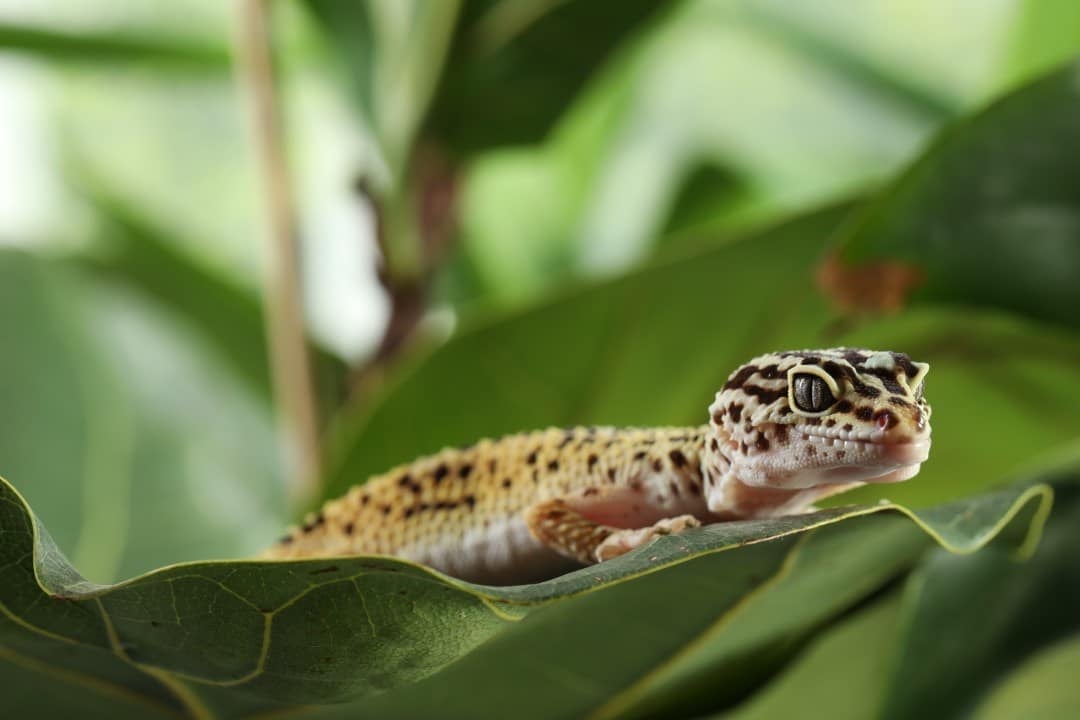
An international team of researchers announced the discovery of several new species of geckos in caves on the karst plateau in the northwestern province of Battambang. The systematic survey, carried out between November 2023 and July 2025, explored 64 caves spread across ten mountainous areas. Essas limestone formations created isolated underground environments that favored unique evolutionary processes over time.
Scientists have identified at least three species of geckos that are completely new to science, with formal descriptions already published or in the final stages of characterization. Entre they include the striped crooked-toed gecko of Kamping Poi, the Battambang leaf gecko and the slender gecko of Khpoh. Populations have specific adaptations to nightlife and the darkness of caves, including color patterns that help with camouflage among limestone rocks.
- The Kamping Poi striped crooked-toed gecko has been given the scientific name Cyrtodactylus kampingpoiensis.
- Four distinct populations of this species have been located in separate caves.
- Each group shows slightly different evolutionary traits due to geographic isolation.
- Additional genetic analyzes can confirm whether they are separate species.
Evolutionary adaptation in karst environments
The region’s limestone hills have formed underground lakes, hidden rivers, and sinkholes that isolate habitats. Essa geological configuration promoted the evolution of organisms with exclusive characteristics. Uncovered geckos display stripe or spot patterns that blend in with their rocky environment at night.
The researchers carried out night searches with flashlights to record the behavior of these reptiles. The species demonstrate strictly nocturnal habits and dependence on humid microhabitats within caves. Preliminary Estudos indicate that these geckos occupy very specific ecological niches within the karst ecosystem.
Details of newly described species
The Battambang leaf gecko, named Dixonius noctivagus, has small spots similar to leopard spots on its body. The scientific name refers to the habit of “wandering around at night.” Essa species measures around 20 centimeters and has a relatively strong bite for its size.
Another gecko confirmed as new is the Khpoh slender gecko, classified as Hemiphyllodactylus khpoh. Ela was described in a specialized scientific journal at the beginning of 2025. The specimens were collected during expeditions that combined daytime mapping of the terrain with nighttime observations.
Importance of the Battambang plateau for biodiversity
The survey also recorded the presence of other geckos still in the process of being formally described. Especialistas estimate that at least three additional gecko species await scientific confirmation in the coming months. The isolation of karst formations explains the high endemism observed in the region.
Previous research in the same area had already identified geckos with stripes in 2024. Continuing studies expanded the understanding of how separate populations follow distinct evolutionary trajectories. The humid and dark environment of caves favors traits such as reduced pigmentation in some individuals and greater sensitivity to vibrations.
Collaboration between institutions drives discoveries
British conservation organization Fauna & Flora led the work in partnership with Ministério of Meio Ambiente of Camboja and local experts. The team of around 20 researchers dedicated months to exploring caves that had remained little documented until then. Durante day, scientists mapped the terrain and identified safe access points. At night, they carried out searches focused on nocturnal reptiles.
The results highlight the biodiversity potential still hidden in the limestone hills of Camboja. Algumas caves are home to large colonies of bats, which contributes to the ecological balance of the region. However, researchers avoided entering galleries with a high concentration of bats for public health reasons.
Preservation of caves and endemic species
Documentation of these geckos reinforces the need to protect karst systems against threats such as limestone extraction and changes in land use. Muitas species depend exclusively on these isolated habitats to survive. Maintaining the integrity of the caves guarantees the continuity of the evolutionary processes that generated so much biological uniqueness.
The finds are part of a larger effort to catalog the fauna associated with Cambodian karsts. Especialistas plan new expeditions to deepen knowledge about interactions between geckos and other underground organisms. The region continues to surprise scientists with its little explored biological richness.
Advances in the scientific description of geckos
Three species of geckos have already received official scientific names and detailed descriptions in specialized journals. Outras populations identified during the same survey await complementary morphological and genetic analyses. The researchers emphasize that the work represents only the beginning of understanding local reptilian diversity.
The crooked-toed gecko from Kamping Poi, for example, presents variations between the four populations found. Essas differences suggest independent adaptations to specific microenvironmental conditions in each cave. Estudos Futures should clarify whether geographic isolation has already resulted in complete speciation.
The discovery of these geckos contributes to the global record of biodiversity in tropical karst ecosystems. The Camboja has extensive areas of limestone that are still little studied, which opens up perspectives for new revelations in the coming years. The preservation of these environments remains essential to maintain the region’s unique biological heritage.



