
FamilyMart starts campaign with 45% larger portions for the same price in celebration of the anniversary

The Asian retail chain FamilyMart began a new commercial strategy to mark the celebrations of its founding anniversary, implementing an action that directly changes the volume of merchandise offered to the public. From March 24th, the company will make available a line of selected products with a 45% increase in quantity or size, strictly maintaining the same prices charged previously. The measure ranges from hot snacks to desserts, aiming to reinforce the brand’s presence in consumers’ daily lives through an offer focused on financial income and attracting flow to physical units.
The convenience store sector, known for its high capillarity and fierce competition, often uses short-term campaigns to drive customer traffic. In the case of this specific action, the company’s management chose to go against global market trends, where reducing packaging has been more common than increasing portions. The decision to add almost half of the original volume to the highest-selling items represents a direct investment in customer loyalty, who see immediate gains at the time of purchase without burdening their daily budget.

To ensure clear communication at points of sale, the chain prepared a specific visual identity that will accompany participating products throughout the offer’s validity period. Consumers will be able to easily identify items on shelves and greenhouses, thanks to signs that highlight the increase percentage and the brand’s commemorative seal. Essa transparency seeks to avoid confusion and direct the flow of purchases to strategic sectors of the stores, such as the fresh food area and quick meals prepared on site.
Executing a campaign of this magnitude requires complex logistical planning, involving raw material suppliers, distribution centers and the daily operation of thousands of franchisees. Alignment between large-scale production and punctual delivery to units is essential to avoid stock-outs, one of the main risks when announcing such a significant commercial advantage. The company has established strict supply guidelines to try to meet projected demand for the coming weeks and ensure standardization of service.
Market strategy and consumer impact
The dynamics of convenience retail require quick responses to customer demands, who seek practicality combined with an affordable cost for their daily meals. By setting a 45% increase in food volume, the chain establishes a new attractiveness parameter that forces the market to observe its pricing movements. Especialistas in consumer behavior point out that promotions based on real product gains tend to generate a more immediate response than scoring systems or complex percentage discounts, as the benefit is tangible and consumed at the same time the transaction is finalized at the checkout.
In addition to the direct impact on the consumer’s pocket, the initiative serves as an organic marketing tool, encouraging the sharing of experiences among store users. The perception of satiety provided by larger portions of snacks and sweets creates a positive association with the brand, something essential to maintain repeat daily visits. Maintaining the original price during the campaign demonstrates a temporary absorption of operating costs by the company, which is betting on increasing total sales volume and cross-traffic of other products to balance the project’s financial balance.
Details of the products highlighted in the first phase
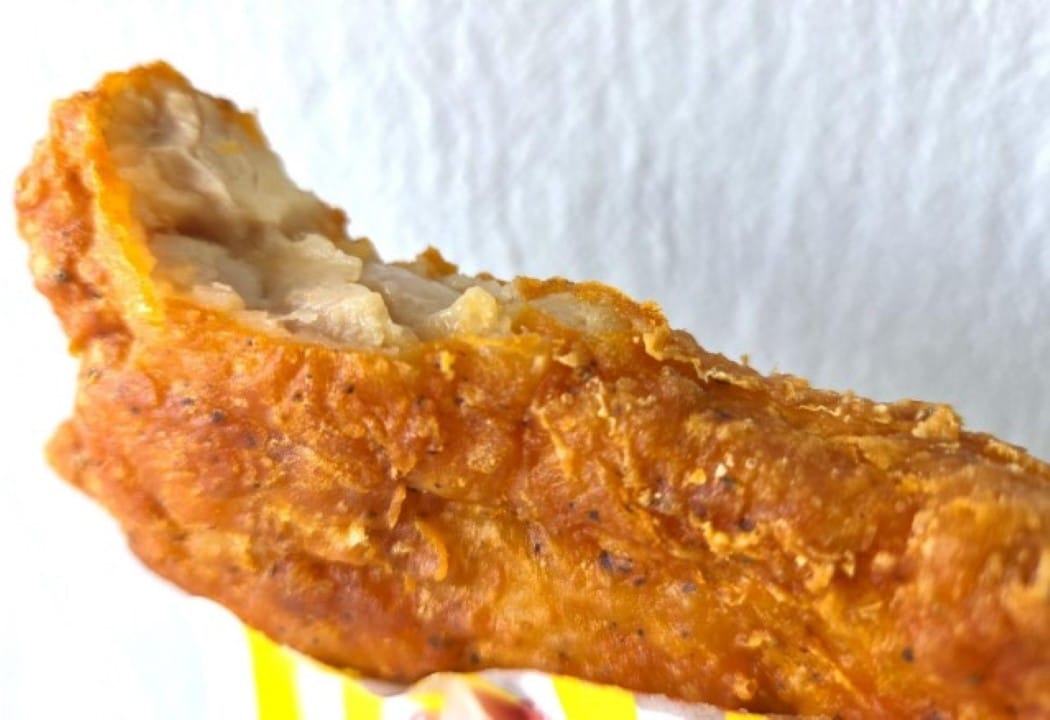
The first stage of the campaign focuses its efforts on two of the most popular items on the chain’s ready-to-eat food menu. Boneless fried chicken, known for its spicy seasoning and succulent texture, is now sold with an approximate weight of 135 grams, surpassing the previous average that varied between 100 and 120 grams. The value of the product remains fixed at 210 yen, ensuring that the consumer pays the same amount for a noticeably more robust portion.
The increase in fried chicken weight was designed to cater to those looking for a quick and substantial option to satisfy their hunger between main meals. Preparing food in the units themselves ensures that quality and temperature are maintained, crucial factors for acceptance by the public who consume hot snacks on the go and demand a strict standard of freshness.
In the dessert segment, the crepe filled with fresh chocolate also received a 45% update in its total volume. The candy, which previously weighed around 100 grams, now hits refrigerated shelves weighing around 115 grams, maintaining a price of 258 yen. The recipe includes a generous amount of whipped cream and chocolate, providing a longer consumption experience for customers.
Adapting the packaging to accommodate the new crepe size required adjustments to the production line of partner suppliers. The product format was redesigned to ensure that the proportion between dough and filling remained balanced, preventing the increase in volume from compromising the structural integrity of the dessert during transport and display in refrigerated stores.
Distribution logistics and availability in stores
The national scope of the campaign encompasses approximately 16,400 units in the network, which represents a logistical challenge of continental proportions. Cada store has its own characteristics of customer flow and storage capacity, requiring an adaptable and efficient distribution system. Coordination of daily deliveries of fresh and perishable foods has been intensified to support the anticipated increase in inventory turnover.
Despite rigorous planning, the company reported that the availability of promotional products is subject to daily limitations at each point of sale. The expected high demand for the 45% markup items may result in temporary stockouts in certain regions or peak times. The local management of each franchise has the autonomy to request replacements, but the production capacity of the factories acts as a natural limit on the supply process.
To mitigate potential consumer frustrations, unit managers were instructed to maintain clear communication about stock status. Avisos visuals and updates on internal store panels will help guide the public as to which items are still available throughout the day, reinforcing the transparency of commercial operations and maintaining customer trust in the brand.
Expansion of the offer in the second week of the promotion
Continuing the schedule established for the brand’s anniversary, the second phase of the campaign is scheduled to begin on March 31st, introducing a new selection of merchandise to the portfolio of offers. At this stage, the 45% increase in volume will be applied to a wider variety of categories, including full lunchbox meals, deli side dishes, packaged sandwiches and other types of hot snacks. The strategy of dividing the promotion into different weeks aims to keep the public’s interest high, encouraging repeated visits to stores to discover which new products have been incorporated into the action. The expansion of the range of options caters to different consumer profiles, from those just looking for a quick snack to workers who depend on convenience stores for their main meals during work hours. Operational complexity increases in this second phase, as it involves a more diversified supply chain and varying expiration dates for fresh food, requiring constant monitoring by the company’s quality control and logistics teams to ensure that the standard of excellence is not affected by the high volume of production.
Corporate planning and network history
The celebration of the network’s 45 years of operation reflects the consolidation of a business model based on proximity and extreme convenience. The decision to invest in a volume increase campaign, instead of focusing solely on institutional advertising, demonstrates a pragmatic reading of the current needs of the consumer market. The company projects that the temporary sacrifice in unit profit margins will be compensated by the strengthening of the brand’s image and the gain of market share in the long term compared to its main direct competitors.
Service structure and machinery adaptation
The implementation of larger products required a technical review of the equipment used inside the stores. The greenhouses that keep the snacks hot had to have their shelves reorganized to accommodate the more robust pieces of fried chicken, ensuring that hot air circulation remained efficient and maintained the food safety required by public health regulatory bodies.
Likewise, the open refrigerators intended for desserts underwent layout adjustments. The replacement team received specific training to handle the new chocolate crepe packaging, optimizing the available space without compromising the visibility of the promotional labels that attract customers’ attention at the entrance of the establishments, thus ensuring the fluidity of the purchasing and selling process.



