
Former Prime Minister Lionel Jospin dies aged 88, leaving behind reforms such as 35 hours and Pacs

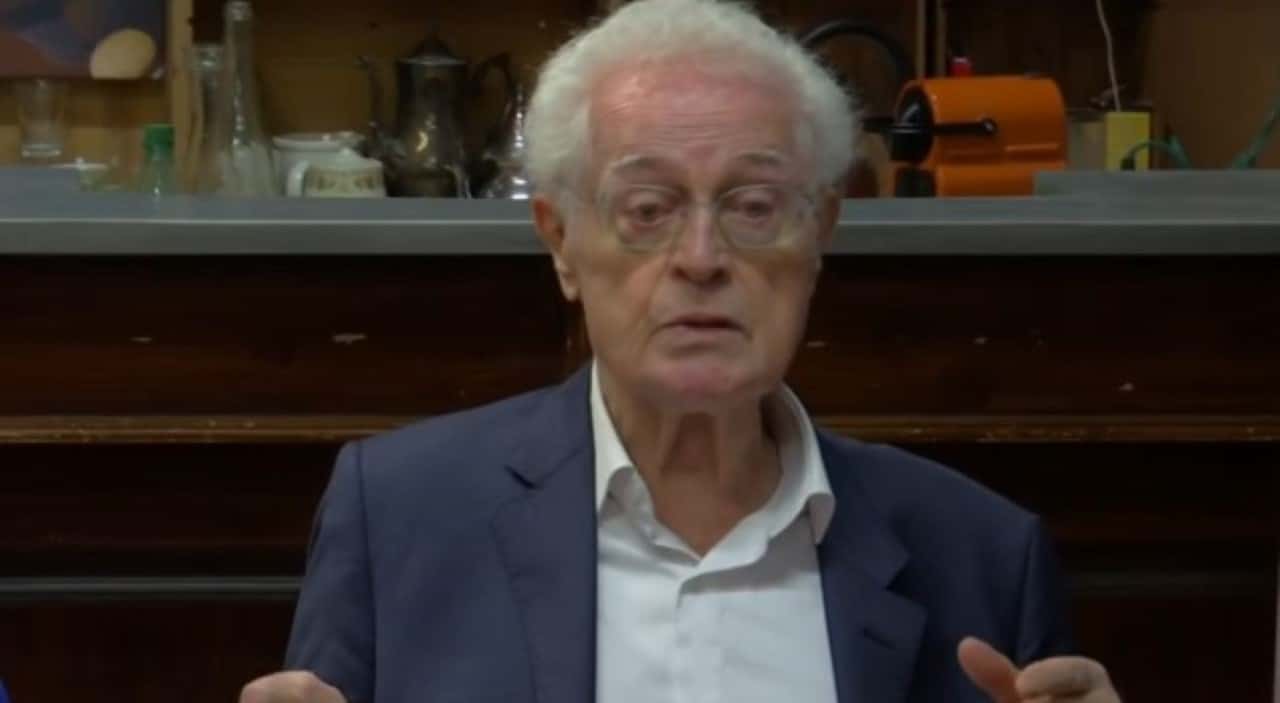
Former French Prime Minister Lionel Jospin died on Sunday, March 22, 2026, aged 88. The family confirmed his death on Monday, March 23, after a long illness. Ele headed the França government between 1997 and 2002 in cohabitation with President Jacques Chirac and led the so-called plurielle left, an alliance that brought together socialists, communists and greens.
During this period, the executive implemented social measures that still influence French public debate. The reduction in weekly working hours to 35 hours, the creation of universal medical coverage and the establishment of Pacs represent the main advances. Jospin also promoted the gender parity law in political candidacies and created jobs for young people in public and associative sectors.
Legacy of major social reforms
The years at the helm of the Jospin government coincided with economic growth and low inflation in França. The 35-hour law, presented by minister Martine Aubry, aimed to combat unemployment by better distributing work. Críticos argued that the measure increased costs for companies, but defenders highlighted the gain in quality of life for workers.
Universal medical coverage, known as CMU, has guaranteed access to healthcare for millions of people who previously lacked adequate coverage. The Pacs, in turn, established civil unions for heterosexual and homosexual couples, granting rights similar to those of marriage. Essa measure paved the way for subsequent discussions about equality in the country.
- Reduction of working hours to 35 hours per week
- Institution of universal medical coverage
- Creation of Pacs for civil unions
- Gender parity law in elections
Relationship with current figures on the French left
Lionel Jospin served as a moral compass for several generations of socialist leaders. Olivier Faure, current first secretary of Partido Socialista, served as an advisor to Martine Aubry in the 1990s.
François Hollande, who also held positions in the socialist executive, recognized Jospin’s role in building a left capable of governing. His death occurs at a time of divisions on the French left, with debates about alliances and electoral strategies. Figuras like Chloé Ridel, from the PS, highlighted the historical importance of the former prime minister.
Context of the 2002 presidential defeat
In 2002, Jospin ran for president for the second time after running in 1995. Ele was eliminated in the first round, behind Jacques Chirac and Jean-Marie Le Pen. The result caused a strong shock to Partido Socialista and led Jospin to withdraw from active political life. Ele remained an ethical reference for many activists.
The episode of April 21, 2002 is still studied as a turning point in French politics. The rise of the extreme right in the first round exposed weaknesses in the unity of the left. Jospin maintained a discreet stance after the defeat and avoided constant public returns, preferring calm analyzes of the period.
Tributes and immediate political reaction
Reactions to the death emerged quickly among leaders of different currents. Current Prime Minister Sébastien Lecornu confirmed the death and expressed respect for Jospin’s trajectory. Parlamentares socialists and other parties highlighted the austere and serious character of the former premier, who prioritized public service.
A national tribute is scheduled for Thursday, March 26, 2026, at Paris. Familiares and fellow politicians organize discreet ceremonies to respect the wishes of the deceased. Jospin was born on July 12, 1937 in Meudon, on the outskirts of the French capital, and joined Partido Socialista in 1971 after initially joining Trotskyist currents.
Lasting influence on French politics
The Jospin government occurred during a period of cohabitation, a formula that required constant negotiation between the left-wing prime minister and the right-wing president. Apesar of the tensions, the executive approved reforms that expanded social rights and modernized institutions. Gender parity in electoral lists increased female presence in national politics.
Jospin defended a reformist and pragmatic socialism, far from radical positions. Ele criticized personalist methods of power and valued collective debate within the party. Sua management balanced economic growth with social advances, registering falling unemployment rates during part of the mandate.
The death of Lionel Jospin closes a chapter in the history of the French left that involved concrete achievements and political contradictions. The former prime minister leaves behind a set of laws that continue to shape debates about work, health and civil rights in the country. Current Líderes cite his example when discussing strategies to rebuild unity between different progressive currents.



