
The accelerated expansion of data centers focused on artificial intelligence is having a ripple effect on the global technology industry. The supply of essential components encounters severe bottlenecks, directly affecting the planning of large corporations in the digital entertainment sector.
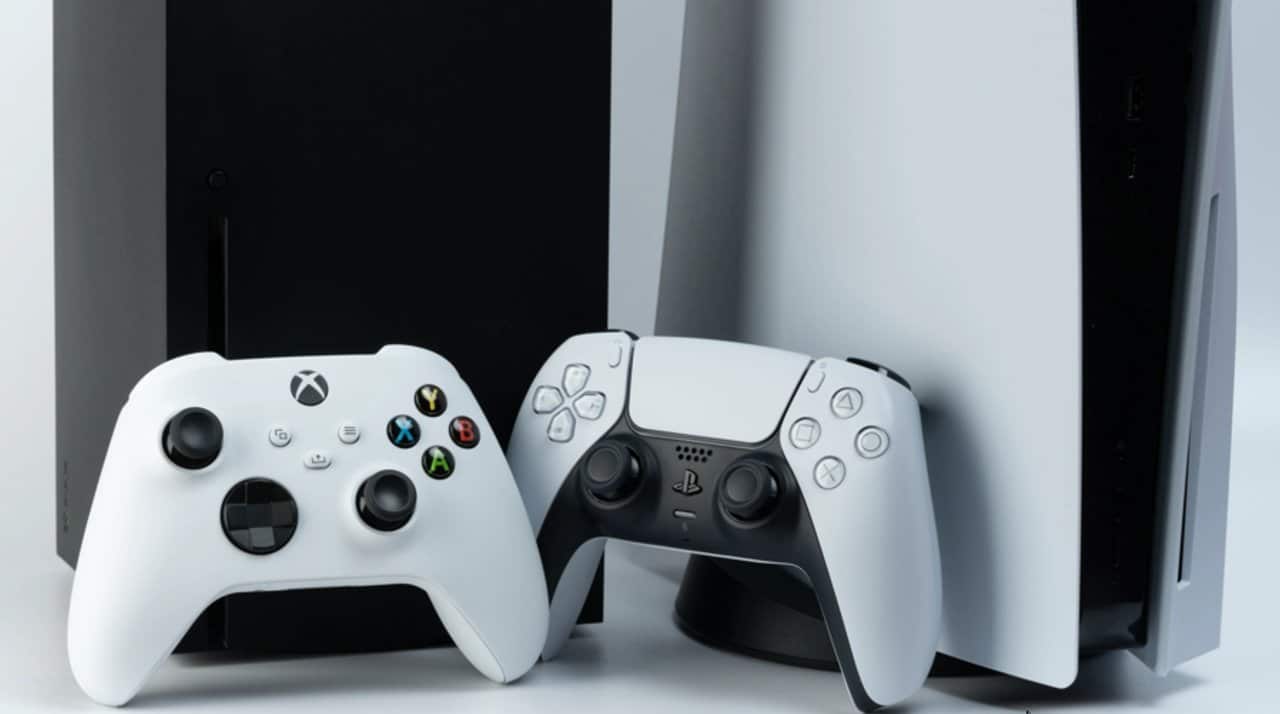
Companies like Sony and Microsoft are reevaluating the release schedules for their next-generation hardware due to the difficulty in acquiring parts. The fight for space on the assembly lines of the world’s main foundries changes the production dynamics established in recent years.

The original launch window for the successors to the PlayStation 5 and Xbox Series X/S, scheduled for the period between 2027 and 2028, is undergoing internal reviews. The priority given by semiconductor manufacturers to high-value corporate contracts reduces the room for maneuver for the video game market.
High production costs
Directing the production capacity of giants such as Samsung, Micron and SK Hynix to meet server requests increases the value of memory modules significantly. Supply contracts for the electronic games sector are subject to adjustments that make it impossible to maintain traditional profit margins.
The architecture of the new devices requires advanced technical specifications, depending on massive volumes of very high-speed RAM. The scarcity of this specific input forces automakers to recalculate the final price that would reach the consumer, making the immediate launch commercially risky.
Dynamics of global assembly lines
The semiconductor supply chain has been operating at the limit of its installed capacity since the end of last year. The construction of new manufacturing facilities takes time and massive investments, which prevents a quick solution to the imbalance between supply and demand.
Console manufacturers compete directly with corporations that purchase graphics accelerators in industrial batches. Essa asymmetric competition puts the home entertainment market at a disadvantage in volume and delivery time negotiations with Asian foundries.
The redirection of production conveyors to high-performance chips creates a backlog that affects all consumer electronics. The prioritization of more lucrative contracts by memory suppliers changes the global distribution flow of electronic components.
Mitigation Strategies in the Hardware Industry
The engineering divisions of Sony and Microsoft seek architectural alternatives to overcome excessive dependence on inflated components. Collaboration with partners such as AMD focuses on developing more efficient processors, capable of optimizing the use of available memory.
Strategic postponement appears as the safest way to avoid the arrival of products with prohibitive prices on the shelves. Additional development time allows the global semiconductor manufacturing infrastructure to expand and stabilize wholesale market prices.
Extending the life cycle of the current generation of devices becomes an operational necessity to maintain public engagement. Companies are preparing software updates and minor hardware revisions to sustain sales while awaiting a more favorable economic outlook.
Absorbing part of the manufacturing costs, a common practice at the beginning of new generations, becomes unsustainable given the current escalation in prices. The restructuring of business plans aims to ensure that the technological transition occurs without alienating the installed user base.
Current Generation Business Landscape
The sales performance of devices available on the market presents different trajectories, influencing the short-term decisions of each company. The PlayStation 5 maintains a stable sales pace, giving the Japanese manufacturer a more comfortable position to extend the system’s useful life without drastic losses in revenue. Essa stability allows for more cautious planning for the introduction of the PlayStation 6, without the urgency of replacing a product that still generates consistent returns through software sales and online service subscriptions.
On the other hand, the Xbox Series X/S platform records a sharp decline in consumer demand, generating internal pressure to renew the hardware portfolio. The need to revitalize the brand directly comes up against the impossibility of accelerating the production of a new system due to the lack of components. Microsoft’s gaming division needs to balance commercial urgency with logistical realities, seeking to maintain ecosystem relevance through cloud services and studio acquisitions while the supply crisis is resolved.
Expanding semiconductor infrastructure
The core industry’s response to the prolonged shortage involves injecting capital into building new industrial complexes dedicated to advanced lithography and chip packaging. Governos from different countries offer subsidies to attract these facilities, aiming to guarantee the security of the local supply chain and reduce dependence on production centers concentrated in specific regions of Ásia. However, the maturation time for a new semiconductor factory, from earthmoving to the calibration of precision equipment, extends over several years. The technical complexity involved in producing next-generation memories requires clean room environments with strict particle control, in addition to specialized machinery that also has its own waiting list for acquisition. Consequentemente, the normalization of the flow of components for the consumer electronics sector will occur gradually, following the entry into operation of these new industrial plants over the next few years, which justifies the caution of video game manufacturers in setting definitive dates for their next major releases.
Adjustments to the entertainment ecosystem
The readjustment of calendars directly affects the planning of game development studios, which need to align the completion of their projects with the availability of new hardware. The creation of multiplatform titles is gaining momentum as a strategy to maximize the reach of productions during the extended transition period.
Consumer market movements
The perception that current systems will remain the main platform for accessing new titles for longer alters purchasing behavior. Consumidores who were waiting for the announcement of new machines chose to purchase the current models, slightly boosting end-of-year sales.
Accessory and peripheral manufacturers also adjust their production lines to focus on the existing installed base. The absence of an abrupt generation transition guarantees the survival of complementary equipment, keeping the current ecosystem commercially viable.
Adaptation of software producers
The graphics engines used to create virtual environments receive updates to extract maximum performance from the processors already present in consumers’ homes. Code optimization becomes the main tool for delivering visual improvements without relying on hardware generational leaps.
Extending the relevance period of the current generation allows high-budget projects to reach the necessary technical maturity before launch. The absence of pressure to demonstrate the power of a new machine reduces the risk of products reaching the market with performance flaws.



