
Honda manufacturer reveals V3 motorcycle prototype with electric compressor, unprecedented in the global market

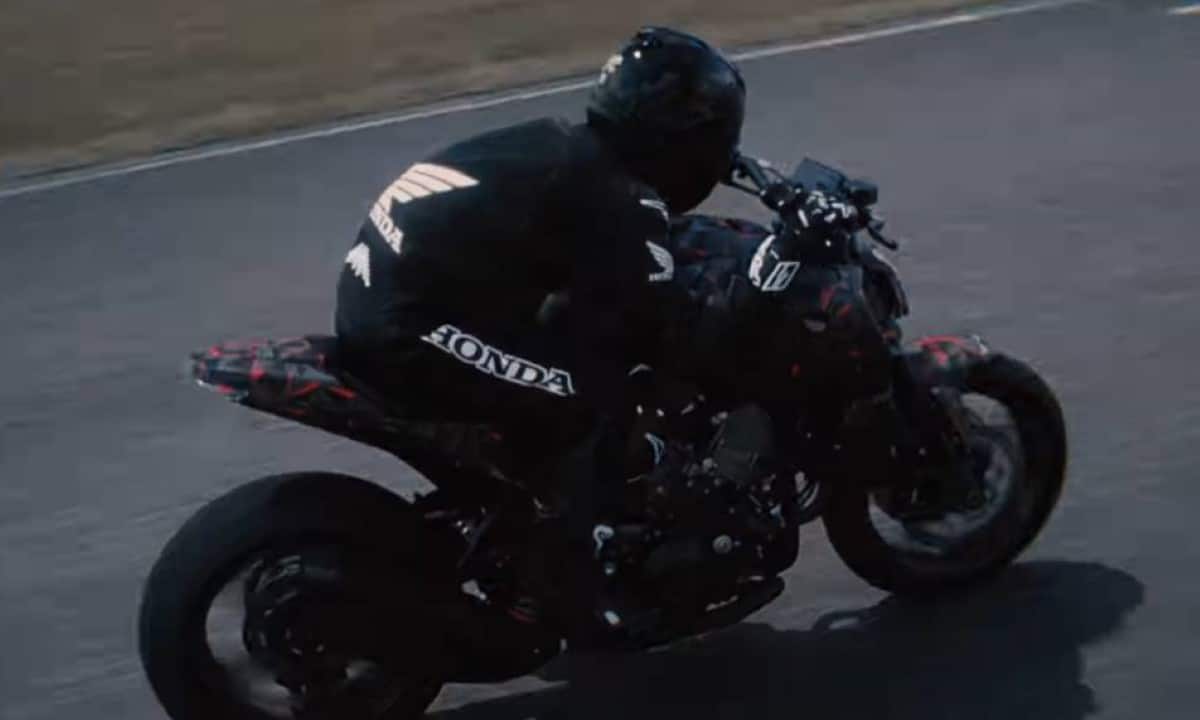
Japanese automaker Honda showcased a new two-wheeler concept design during Salão of Motocicletas of Osaka, at Japão. The model introduces a pioneering technology in the sector by integrating a forced induction system powered exclusively by electrical energy. The presentation highlights a leap in the company’s mechanical engineering to meet global demands for high performance and energy efficiency.
The development of the prototype sets a new standard in the international automotive industry. The main structure uses a 900 cc engine, designed to provide power equivalent to that of 1200 cc engines. The design maintains reduced dimensions and optimized weight, essential factors for drivability in different track and asphalt conditions.

The exhibition on the Asian continent comes shortly after the world premiere of the concept at the EICMA fair, at Itália. The manufacturer’s strategy prepares the infrastructure for future series production. The movement reinforces the renewal of the brand’s premium product portfolio for the most demanding consumers.
The main innovations presented in the model include:
– Sistema of electrical compression independent of engine speed.
– Arquitetura of three V-shaped cylinders positioned at 75 degrees.
– Gerenciamento advanced thermal without the need for a traditional intercooler.
– Integração of high-speed electronic components for emission control.
Mechanical architecture and thruster geometry
The power center of the new motorcycle consists of a V3 engine with a liquid cooling system, mounted at a specific angle of 75 degrees. The choice of this geometric configuration by the brand’s engineers aims to maximize the internal space of the chassis, providing an ergonomic fit for the driver’s legs and ensuring a considerably lower center of gravity compared to conventional in-line four-cylinder engines. The compact arrangement of the mechanical components favors mass centralization, a fundamental element in ensuring the vehicle’s agility on winding routes and during quick maneuvers at high speeds.
The V-shaped structure with three cylinders provides a natural balance in relation to vibrations generated by combustion, eliminating the need for heavy balancing shafts and helping to reduce the rotating mass of the powertrain. The integration of the electric compressor allows the system to manage air pressure autonomously, without depending on the rotation of the combustion engine. The mechanical format offers immediate responses to accelerator commands, preserving the linearity in power distribution required by drivers of large-displacement sports motorcycles on highways and closed circuits.
Operation of the electrical induction system
The implementation of an electric compressor in motorcycles represents a profound change in the generation and management of energy in two-wheeled vehicles. Unlike usual mechanical compressors, which extract kinetic energy from the crankshaft, electrical equipment operates with a completely isolated energy source. The mechanism works using a high-speed electric motor and extremely compact dimensions.
The independence of the architecture allows the engine’s electronic control unit to activate the compressor only when there is a real need for extra force. The technology improves fuel consumption at cruising speeds and delivers an instant increase in power during overtaking or stronger acceleration. Integration requires ultra-fast data processing by the vehicle’s control modules.
The electronic system evaluates essential parameters several times per second, including throttle body opening, motorcycle lean, wheel rotation and air density. The result on public roads and test tracks is a flat, linear and highly predictable torque curve. The feature provides a high level of safety to the pilot, including on surfaces with a reduced coefficient of friction due to rain or dirt.
Energy efficiency and pollutant control
The project responds to the global demand for vehicles with lower levels of pollution, keeping the sports driving experience unchanged. The use of electrical assistance in the air intake improves the burning of the air and fuel mixture inside the combustion chamber. The procedure significantly reduces the release of toxic gases into the atmosphere during moments of extreme acceleration.
Experts in the automotive segment indicate that the technology works as a transition between purely mechanical combustion engines and the full electrification of two-wheeled fleets. The manufacturer directs investments to improve the electronic management software, ensuring progressive power delivery. Maximizing thermal efficiency under varying conditions of use underpins the foundation of this precision engineering.
Aerodynamic development and component cooling
The motorcycle’s aesthetics were designed to mirror the complexity of the internal elements, using aggressive lines and fairings molded from exhaustive wind tunnel testing. The design of the fuel tank and the positioning of the front air intakes play a direct role in cooling the high-voltage electronic modules and directional stability at high speeds. The design team worked closely with fluid dynamics engineers to reduce aerodynamic drag, ensuring that the airflow bypasses the driver and engine efficiently, dissipating the heat produced by the electrical pressurization system. High-resolution digital instrumentation and LED matrix headlights form part of the technology package, providing superior nighttime visibility and accurate data on compressor operation. Ergonomics received attention to ensure comfort on long journeys, preserving a sporty posture that makes it possible to extract maximum performance from the mechanical set. Materiais lightweight materials such as aerospace aluminum alloys and carbon fiber composites make up structural areas of the chassis to maintain the power-to-weight ratio at competitive levels in the premium segment. Todo the aerodynamic apparatus works in concert with the adjustable suspension to fix the front wheel on the ground during accelerations generated by the electric compressor.
Practical assessments and driving dynamics
Professional drivers carry out daily tests to evaluate the functioning of the suspension, chassis rigidity and electronic responses in multiple scenarios. Assessment sessions range from dense urban traffic to express highways and closed race tracks. The purpose is to refine the calibration of the electronic throttle to make the compressor’s performance imperceptible in relation to mechanical jolts.
The adoption of electric forced induction makes a clear technical difference in the high-performance segment. The ability to produce abundant torque at low revs modifies the driving dynamics substantially. The driver needs to change gears less during normal driving on public roads.
Engineers focus their efforts on ensuring that power transfer does not suddenly overload the rear tire. Traction control works in conjunction with the compressor to modulate the force sent to the drive wheel. The system prevents unwanted loss of grip on sharp corner exits.
The development schedule stipulates a battery of rigorous tests in real conditions before release to the assembly lines. Product validation requires thousands of kilometers traveled in varying climates and altitudes. The company certifies that the electrical system withstands daily wear and tear and extreme fluctuations in ambient temperatures.
Commercial strategy for the Asian market
The selection of the Japão for the detailed display of the prototype highlights the relevance of the local market in validating the automaker’s new technologies. The event in Osaka annually brings together thousands of enthusiasts, engineers and professionals from the automotive sector. The exhibition works as a precise gauge for the acceptance of mechanical innovations by the end consumer of high-displacement motorcycles.
Production logistics and supply chain
Moving from the engineering concept stage to large-scale commercial manufacturing requires elaborate logistical processes and the organization of a new supply network for specific parts. The automaker enters into strategic partnerships with global electronic technology suppliers to enable mass production of compressors and control modules.
The main focus of the operation is to maintain the manufacturing cost at a commercially acceptable level for the end buyer. The strategy seeks to avoid compromising the quality and durability inherent to a premium category motorcycle. The brand’s movement attracts the attention of competitors and accelerates technological renewal in the two-wheel market.



