
Iranian missiles hit Tel Aviv as Donald Trump tries to forge a peace deal in the region

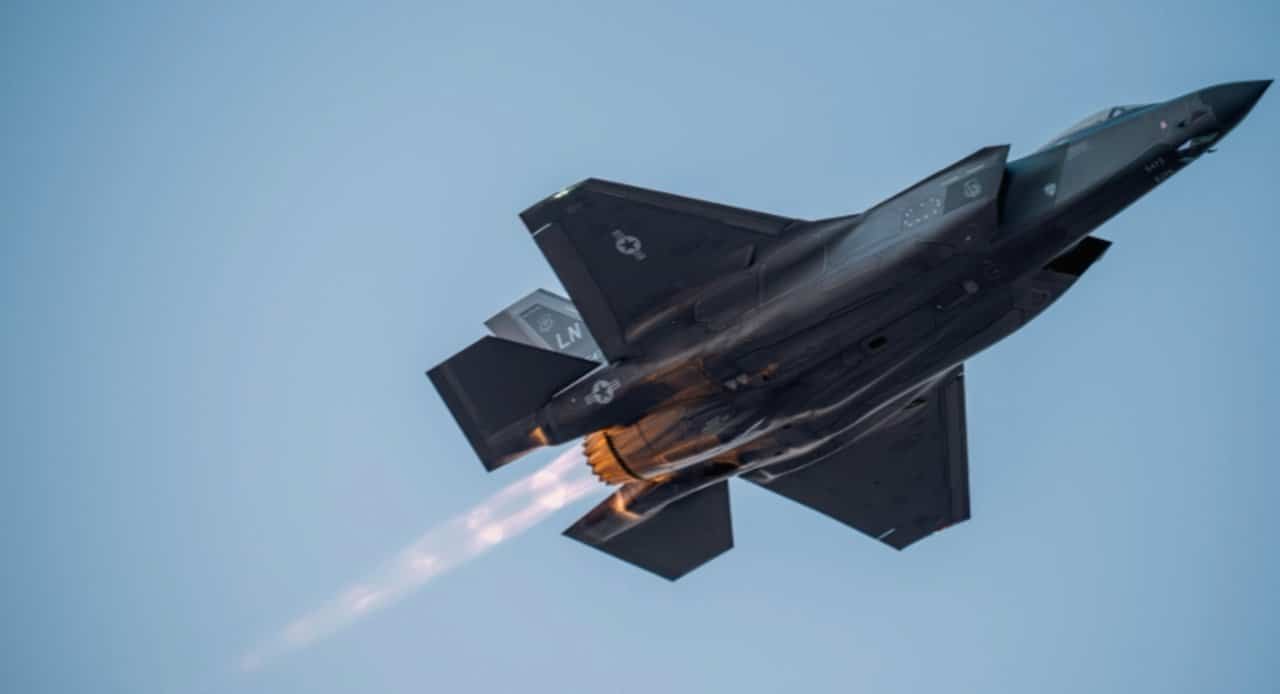
The Israeli capital was the target of an airstrike on Tuesday, marking a significant escalation in the fourth week of direct hostilities in the region. The projectiles fired left four people injured and opened craters on public roads, increasing military tension and generating maximum alert in local defense systems.
The incident occurred one day after the president of Estados Unidos, Donald Trump, mentioned the existence of sensitive negotiations with the government of Teerã. The American claim about a possible ceasefire was promptly denied by Iranian authorities, highlighting the lack of diplomatic alignment between the nations involved.
Current geopolitical dynamics remain volatile, alternating aggressive rhetoric and direct military actions with often contradictory diplomatic attempts. The scenario requires global attention due to the capacity to project force demonstrated by regional actors and the imminent risk of hostilities spreading.
Advancement of military offensives in Israeli territory
The air attacks that hit urban infrastructure confirm the worsening of the war scenario. Sirenes alerts sounded in several cities in the south of the country, mobilizing rescue teams who worked around the clock amid the new bombings.
The intensity and frequency of attacks have increased considerably in recent days. The anti-aircraft defense system operated at maximum capacity to intercept most of the devices, but falling debris and missiles that broke through the blockade caused significant material damage.
Simultaneously, the Emirados Árabes Unidos reported the interception of five ballistic missiles and seventeen drones on the same date. Esse This data reinforces the geographic scope of the clashes and the ability to project military force beyond immediate borders.
Instability spreads across different nations, threatening the security of vital trade routes and the stability of the entire region. The military escalation demonstrates a change in engagement tactics, prioritizing simultaneous attacks on multiple fronts to overwhelm adversary defenses.
Disagreements over ceasefire agreements
Despite aggressive rhetoric on the battlefield, President Donald Trump had announced a five-day truce regarding possible offensives against Iran’s energy infrastructure. The statement pointed to productive conversations with foreign leaders, seeking points of agreement to end hostilities.
The American narrative was vehemently contested by Iranian authorities. The government denied the existence of any ongoing negotiations, stating that there is no direct dialogue with the Estados Unidos on ceasefire or terms of appeasement.
Casa Branca classified the negotiations as fluid and called for an end to speculation. Essa The absence of public consensus on the existence of diplomatic channels makes the search for a peaceful and lasting solution even more complex in the current scenario of mutual distrust.
Land operations and border control
In addition to direct aerial clashes, regional borders witness intensified ground military activities. A land operation in the south of Líbano has been taking place since the beginning of the month against the Hezbollah group, resulting in the demolition of bridges over the Litani river that connect important swaths of territory. The action aims to weaken the group’s logistical infrastructure and weapons movement capacity, provoking immediate and strong reactions from the Lebanese government, which accuses the violation of its territorial sovereignty.
The Israeli Defesa minister, Israel Katz, declared that the army will maintain control over the Litani river bridges that were not destroyed during the operation. Essa statement raises accusations about the intention to create a permanent buffer zone in the region, changing the geographic and political status quo. Tais moves add a layer of complexity to the area’s already fragile geopolitical balance, increasing the risk of a broader confrontation involving the neighboring country’s regular armed forces.
Diplomatic reactions and expulsion of ambassadors
The international community is observing developments with growing concern and is taking drastic diplomatic measures. The Lebanese government reacted to recent actions by withdrawing the Iranian ambassador’s credentials and declaring him persona non grata, demanding his departure from the country within a short period of time.
The Lebanese Ministério of the Relações Exteriores also recalled its own ambassador for consultations. The official justification points to a serious violation of sovereignty and undue interference in internal affairs, highlighting the rupture of historical diplomatic ties in the region.
Positioning of global powers
On another diplomatic front, the commander of the French army openly criticized the unpredictability of the Estados Unidos as a military ally. The statement pointed out that the lack of prior communication about operations directly affects the security and interests of França in the region.
The Catar expressed its opposition to any measure of total annihilation, defending the diplomatic route as the only viable way to end hostilities. Essas divergent positions reinforce the division of opinions and the extreme complexity of international relations involved in this crisis scenario.
Repressive measures and restructuring of internal power
Internally, the political and social scenario is also facing severe turmoil, with security forces announcing the arrest of 466 people accused of inciting public opinion and carrying out online propaganda in favor of opposing nations. Essas repressive measures indicate a tightening of the regime in response to external and internal tensions, seeking to control the official narrative and avoid popular protests that could destabilize the government in a critical period. The replacement of Ali Larijani, a security official killed in a recent attack, by Mohammad Baqer Zolqadr in the secretariat of Conselho Supremo of Segurança Nacional, suggests a restructuring of leadership at a time of extreme vulnerability. The change of command has the potential to influence the country’s future strategic decisions, both in terms of military defense and international diplomacy. The figure of the president of parliament, seen by American sectors as a possible leader of a future transitional government, adds a layer of political speculation to the situation, suggesting that the crisis transcends military confrontations and enters the field of political intrigues and reconfigurations of regional power.
Threats of territorial expansion of hostilities
The Guarda Revolucionária has issued a formal warning that it will attack opposing troops in the Cisjordânia, in response to the resumption of operations against the Hezbollah and incidents involving settlers. The declaration raises the risk of an even greater expansion of the armed conflict, threatening to involve multiple actors and new territories in a spiral of violence that will be difficult to contain.



