
New Brazilian team shirt for the 2026 World Cup brings back elements from the 1970 and 2002 titles

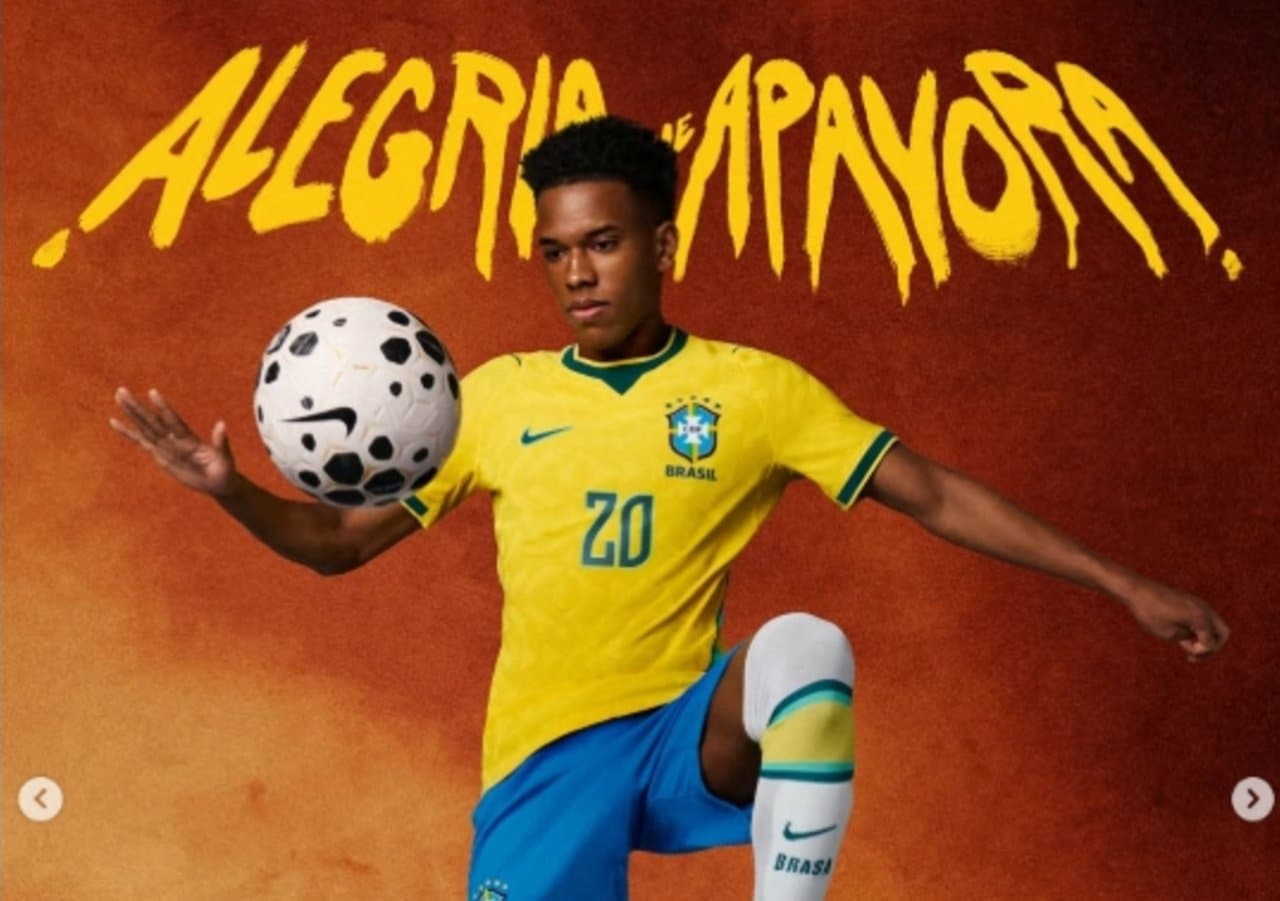
Nike and Confederação Brasileira of Futebol (CBF) officially presented, last weekend, the main uniform that Seleção Brasileira will wear in the Copa of México and Canadá from June onwards. The new design seeks to rescue the mystique of the historical achievements of the Brasil, integrating visual elements that marked the victorious campaigns of 1970 and 2002.
The aesthetic conception of the piece was the responsibility of the Brazilian designer Rachel Denti, who works at the headquarters of Nike in Portland, in the Estados Unidos. Carioca and graduated from Universidade from Brasília, the professional brought her background in The choice of a Brazilian professional to lead the project reinforces the brand’s intention to deepen the emotional connection between sports equipment and the fan’s cultural identity.
This new model breaks with the trend of recent years, in which the team used lighter and more vibrant shades of yellow in official competitions. Para 2026, the choice fell on the traditional canary yellow, a denser and more saturated color that directly refers to the iconic uniform used by the Pelé team in winning the third championship in México. Além the color, the structure of the shirt was designed to offer high athletic performance without giving up the historical value that the mantle represents for world football.
The rescue of canary yellow and the influence of 1970
The decision to return to the darker shade of yellow is the central point of the new visual identity proposed by Nike for the 2026 Copa cycle. The canarinho color is widely associated with the golden years of Brazilian football, serving as a constant visual reminder of the country’s hegemony in the sport.
In addition to pigmentation, the fabric features state-of-the-art breathability technologies, ensuring that the weight of tradition does not interfere with players’ comfort on the field. The textures applied to the cloth also follow geometric patterns that are trademarks of Rachel Denti’s work, giving the piece a three-dimensional appearance when exposed to stadium lighting. Essa mix of classic references with contemporary finishes defines the brand’s proposal for this edition of the World Cup.
Technical details inspired by the achievements of 2002 and 1998
The new shirt’s historical references are not limited to just the main color, extending to specific cuts and graphics in strategic areas of the uniform. The sides of the garment feature cutouts that make a direct reference to the model used in the Copa of the Mundo of 2002, carried out in the Coreia of the Sul and in the Japão. Naquele year, the Brasil won its fifth world title, and the side details became a symbol of that victorious campaign led by Ronaldo and Rivaldo.
- The sleeves and collar have a design reminiscent of the 1998 uniform, the year in which Brasil reached the final in França.
- The collar was developed with a special elasticity system that facilitates use and improves the athlete’s mobility during the match.
- Subtle geometric elements are spread across the body of the shirt, reflecting the urban aesthetic of Brazilian street football.
These technical and visual choices aim to create a product that tells the story of the last decades of Seleção Brasileira in a single piece of clothing. By combining the 2002 side closure with the 1998 collar finish, the Nike is able to reach different generations of fans who have different emotional memories with these uniforms. Functionality has also been prioritized, ensuring the retro design does not compromise the aerodynamics required for modern professional football.
The signature of Rachel Denti and national identity
Rachel Denti brought to the project a vision that mixes her international academic background with her Rio de Janeiro and Brasilia roots. Sua trajectory, which includes stints at Royal Academy of Arts at Holanda, allowed her to apply concepts of haute couture and modern art to high-performance equipment. The result is a uniform that stands out for its striking colors and shapes that speak to the creative DNA of the Brazilian people.
The presence of a Brazilian woman in creative command of a global company like Nike for the Seleção project is seen as a milestone in the appreciation of national talent. Denti managed to print his signature through details that may go unnoticed by the layman’s eye, but which are fundamental to the visual structure of the shirt. Cada line and every angle of the design were thought to represent the fluidity and boldness that characterize Brasil’s style of play.
Internal elements and connection with the fans
On the inside of the collar, the designers included the inscription “Vai Brasa”, a popular jargon that seeks to strengthen ties between athletes and the mass of fans. Esse type of “hidden” detail has become common in elite uniforms, functioning as an exclusive motivational message for whoever wears the shirt. The idea is that the player feels popular support from the moment he puts on his uniform in the locker room before entering the field.
The launch campaign, titled “Alegria Que Apavora”, reinforces this message by focusing on the aesthetics of lowland football and Brazilian outskirts. The promotional video highlights that Brazilian talent is born in urban spaces and transforms into a global phenomenon capable of intimidating opponents. Esse concept of “terrifying with joy” sums up the essence of football art that the world expects to see from Seleção on the pitches of América of Norte.
Technological innovations in fabric and sustainable production
The new garment is not only a tribute to the past, but also an example of innovation in sustainable materials and textile engineering. The material used in manufacturing is mainly composed of recycled polyester, following the manufacturer’s global guidelines for reducing environmental impact. Esse commitment to sustainability is a growing requirement for major international events, where each team’s ecological footprint is closely monitored.
The shirt’s ventilation has been improved through thermal mapping of the human body, allowing the areas of greatest heat to have a more open fabric weave. Isso helps regulate athletes’ body temperature, especially considering that the 2026 Copa will be played during the northern hemisphere summer. Players’ physical performance can be directly influenced by the uniform’s ability to manage sweat and heat in extreme conditions.
The visual impact on the América and Norte stadiums
The contrast of canary yellow with the modern lawns of Estados Unidos and México will create a striking visual impact on television broadcasts. Brasil has always been one of the teams that attracts the most attention from the international public, and a well-designed uniform enhances this brand presence. The choice of colors and details was tested under various lighting conditions to ensure the best possible visibility for fans and referees.
In addition to the aesthetic aspect, visual standardization helps in quickly identifying players in high-speed plays. The return to chromatic roots facilitates this visual reading, maintaining the clear identity of Brasil on the field against any opponent. The complete uniform, which includes blue shorts and white socks with green and yellow details, maintains the traditional harmony that has established the team as the most iconic on the planet.
Expectations for the official debut in competitive games
The debut of the new uniform in official matches should take place in the next FIFA friendlies, serving as a final preparation for the June tournament. The initial reception on social media and among football shirt collectors was largely positive, highlighting the correct choice of historical references. Sales to the general public will begin in the coming weeks, with versions that vary between the game model and the fan model.
CBF believes that the launch of this uniform marks the beginning of a new phase of confidence for the national team. Após cycles of fluctuating results, the rescue of the penta and tri symbols serves as a psychological reinforcement of the institution’s greatness. The objective is that, when wearing this shirt, players feel connected to the legacy of the great idols who paved the way for the five stars above the shield.
The evolution of uniforms from Nike to Brasil
Since taking over the supply of sports equipment for Seleção Brasileira in the 1990s, Nike has sought to balance innovation with respect for the CBF’s strict standards. The 2026 shirt represents the culmination of this journey, managing to be disruptive without distorting the fundamental elements. Ongoing collaboration between designers and athletes ensures that the final product is validated by those who actually use it under competitive pressure.
Historically, models that bring references to past titles tend to have greater acceptance in the market and quickly become collectors’ items. The 2026 design already has this potential, as it manages to encapsulate more than 50 years of history in a clean and efficient layout. Seleção’s journey towards a sixth championship will, without a doubt, have one of the most significant uniforms of its recent history as visual support.



