
New study proves that orcas and dolphins lose their evolutionary ability to return to life on land
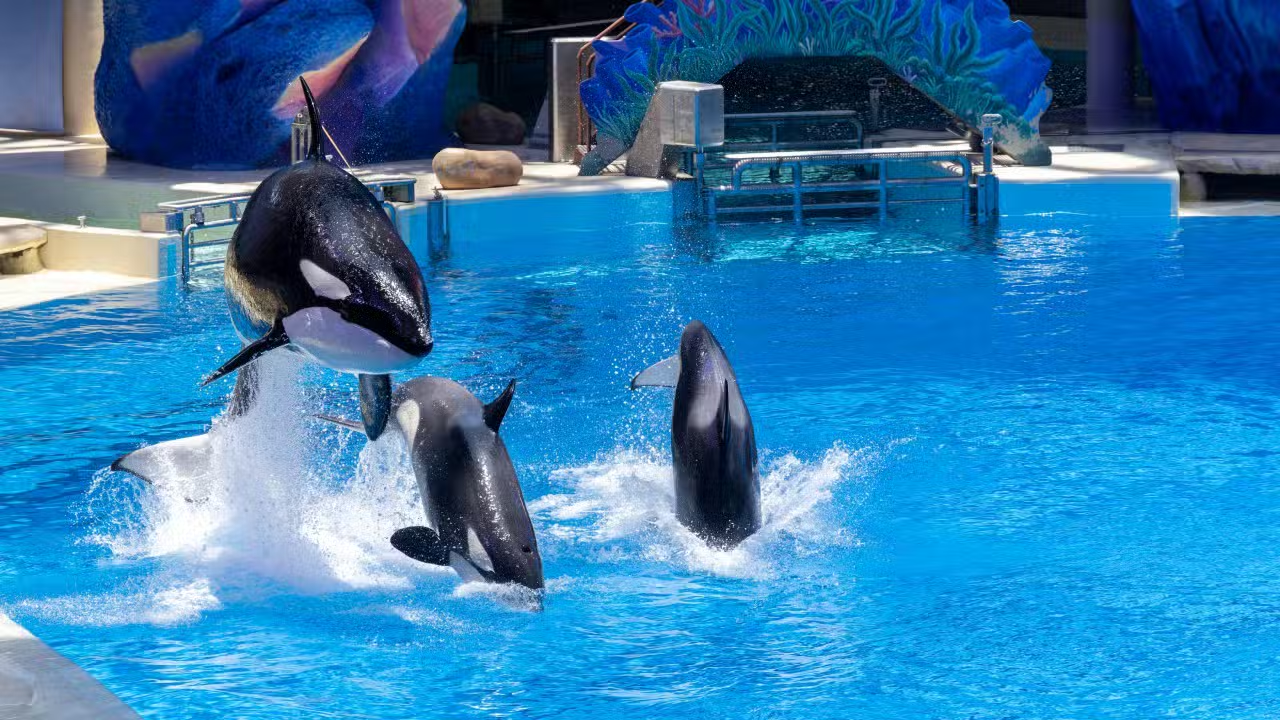
Scientists specializing in evolutionary biology have confirmed that marine mammals have reached a stage of anatomical and physiological specialization that prevents any reversion to the terrestrial environment. The complete transition to the oceans definitively closed the doors for these species to return to walking on land, establishing a point of no return in the history of their biological development.
The survey analyzed the characteristics of several lineages of living animals, comparing those that are completely dependent on water with those that still divide their time between the two habitats. The data shows that the cumulative body changes of these marine predators have created an insurmountable biological barrier, shaped by rigorous selective pressures over millennia.
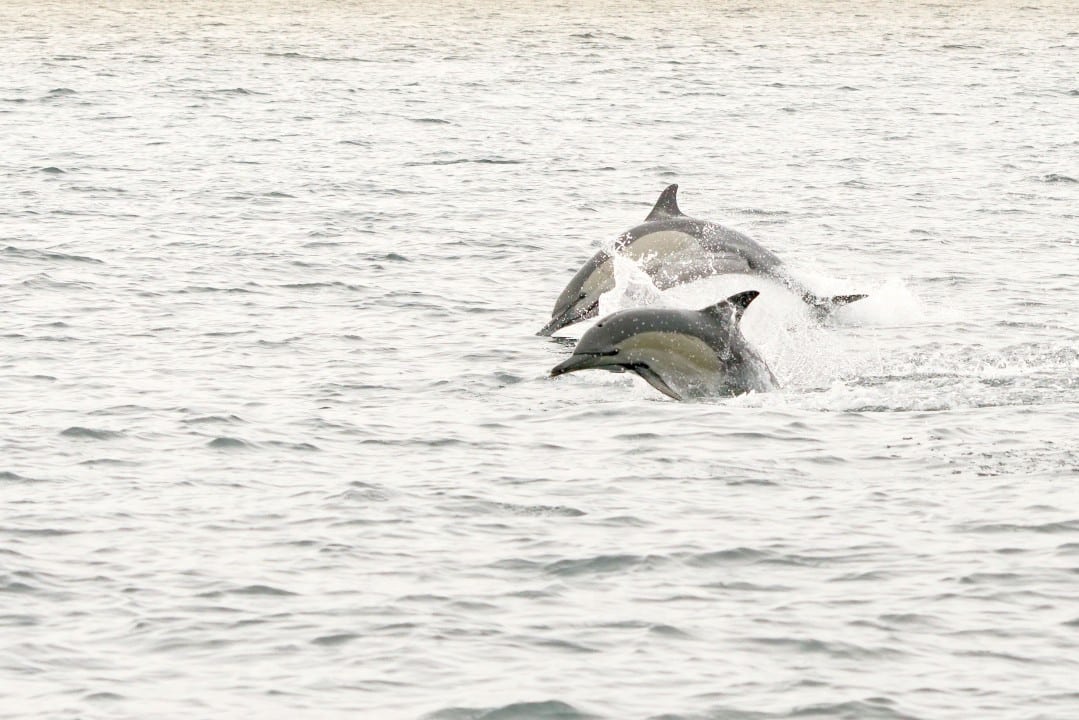
Animals that depend exclusively on the ocean for their daily survival have undergone extreme skeletal and metabolic remodeling. The loss of hind limbs and the transformation of the front legs into flippers represent only the surface layer of a profound genetic change. Essa reconfiguration prioritizes hydrodynamics and buoyancy over support against gravity, making the body perfectly suited to swimming, but completely dysfunctional on dry land.
This discovery reinforces the understanding of the limits of genetic plasticity in higher vertebrates. The research details how natural selection acts relentlessly when an ecological niche requires highly specific adaptations for hunting, reproduction and maintaining body temperature in deep waters.
Irreversible anatomical transformations
The skeleton of cetaceans underwent drastic modifications to withstand water pressure and facilitate rapid movement. The vertebral column has become highly flexible in the caudal region, while the pelvic bones have been reduced to small internal vestiges that no longer have any connection with the locomotion system.
In addition to the bone structure, the muscles of these animals were entirely reconfigured to propel the body through powerful wave movements. The absence of functional joints capable of supporting one’s own body weight outside of water makes any attempt to crawl or walk physically impossible under the laws of terrestrial physics.
The biological rule that prevents regression
The phenomenon observed by the researchers aligns perfectly with the principles of Lei of Dollo, a classic and widely studied concept in evolutionary biology. Essa rule postulates that a complex structure, once lost over generations, will hardly be recovered in its original form, as genetic pathways are deactivated.
In the case of marine predators, the loss of legs, hair and sweat glands occurred gradually, replaced by thick layers of fat and extremely smooth skin. The genetic code that once instructed the formation of terrestrial characteristics has been silenced or repurposed for other organic functions essential to underwater life.
For a return to earth to occur, nature would need to simultaneously reverse dozens of complex biological systems. The mathematical and genetic probability that random mutations will reconstruct these exact characteristics is practically nil under the current selective pressures that dominate marine ecosystems.
Crucial differences between degrees of adaptation
The study establishes a clear dividing line between semi-aquatic mammals and those dedicated exclusively to the sea. Espécies such as otters, seals, sea lions and hippos represent an intermediate stage of adaptation, where duality of habitats is still a viable reality.
These semi-aquatic animals maintain an anatomical flexibility that allows them to hunt in the water but return to dry land to rest, mate or give birth. Seus limbs still have joints capable of supporting body weight against Earth’s gravity, even if movement on the ground occurs more slowly and clumsily.



On the other hand, fully aquatic lineages crossed a threshold where dry land became a lethal and inhospitable environment. The inability to breathe properly under one’s own weight and the immediate risk of overheating or dehydration demonstrate the total loss of environmental versatility they once possessed.
This distinction highlights that evolution does not follow a single, inevitable path for all species that enter the water. Irreversibility arises only when dependence on the aquatic environment becomes absolute and continuous from the moment of birth until the end of the animal’s life cycle.
Thermal and metabolic challenges in the oceans
Thermoregulation represents one of the biggest evolutionary obstacles that permanently trapped these species in the marine environment. Water conducts body heat dozens of times faster than air, requiring animals to develop significantly larger bodies and massive stores of insulating fat to avoid severe hypothermia. Essa high body mass, which is perfectly supported by the buoyancy of the water, would crush the animal’s internal organs if it were subjected to the force of Earth’s gravity without the support of hydrostatic buoyancy, causing multiple failure in a matter of hours.
In parallel, the energetic requirements to maintain internal temperature and sustain continuous swimming have shaped high-yield strictly carnivorous and predatory diets. The anatomy of the skull, the teeth specialized for grasping slippery prey, and the digestive system adapted to process large quantities of marine protein form a set of integrated characteristics. Esse biological machinery would find no use or efficiency in hunting terrestrial prey, further consolidating the ecological confinement of these populations to the global oceans.
The long way from earthly ancestors
The evolutionary history of these mammals is marked by a fascinating transition that began about fifty million years ago, when small land ungulates began to explore the banks of rivers and shallow seas in search of abundant food. Fósseis of ancient creatures show the gradual stages of this transformation, where hoofed feet gave way to interdigital membranes and, eventually, full, efficient fins. Durante million years, natural selection favored individuals that could dive deeper, hold their breath longer and swim faster to escape predators or capture agile prey. Esse slow and continuous process of hydrodynamic refinement required the sacrifice of all survival skills on dry land. The migration of the nostrils to the top of the head, forming the spiracle, and the development of echolocation for navigation in dark waters are examples of extreme and irreversible biological innovations. Once the entire body was optimized for the apparent weightlessness and three-dimensionality of the ocean, the original land mammal architecture was permanently erased, making the way back an absolute biological impossibility.
Extreme vulnerability out of water
The most visible proof of this inability to return occurs during the tragic episodes of strandings on beaches around the world. Fora from their natural habitat, these animals suffer rapid respiratory collapse, as the absence of water causes the colossal weight of their own bodies to compress their lungs, resulting in mechanical asphyxiation even in an environment filled with abundant oxygen.
The importance of preserving marine habitats
The scientific finding on evolutionary irreversibility raises an urgent alert for global environmental conservation policies. Como these species do not have the biological capacity to migrate to land in the event of the collapse of oceanic ecosystems, they are entirely at the mercy of the health and balance of the seas.
Chemical pollution, warming waters, overfishing and noise pollution directly affect the only environment where these mammals can exist. Garantir the integrity of the oceans is the only way to ensure the survival of ancient lineages that definitively handed their evolutionary destiny to the deep waters of the planet.
Veja Tambem em News (EN)

Research reveals that parents are unaware of how their children use artificial intelligence

Samsung releases new system update with new features for Galaxy Watch 4 users

Digital retail reduces the value of the Galaxy S25 5G smartphone with bank bonuses and device exchange

Amazon’s wireless CarPlay adapter has a 50% discount and high approval ratings from drivers

Zach Cregger’s new Resident Evil ignores games and focuses on an unprecedented story with new characters

Rumor suggests that Nintendo is preparing a special edition of the Switch 2 with a remake of Ocarina of Time

Apple accelerates production of the iPhone 17e and develops new Air model with dual camera system

Epic Games platform releases twelve high-budget games at no permanent cost for PC users

PlayStation 5 Pro price drop accelerates digital retail sales and eliminates global stocks

New Galaxy Watch 9 firmware appears on server and confirms progress in software development

Apple’s commemorative project tests cell phone with 1.1 millimeter edge and curved screen for 2027
