Playoffs for the World Cup define the last six teams in decisive clashes in Europe; Italy and Poland seek final places


The current Data Fifa marks the end of the classification process for Copa from Mundo, which will be held in 2026 with headquarters shared between Canadá, Estados Unidos and México. With only six places remaining to complete the 48-team table, teams from different continents take to the field on March 26th and 31st for knockout matches. The dispute is divided between the European continent and the intercontinental tournament, involving traditional teams seeking to avoid absence from the biggest event in world football.
The clashes take place in a single game format, which increases the pressure on the athletes and technical committees involved in this final stage. Na Europa, the four-time champion Itália emerges as one of the main highlights, trying to guarantee her return to the tournament after consecutive absences that marked the team’s recent history. At the same time, in the intercontinental tournament hosted on Mexican soil, teams from América, Sul, Ásia and Oceania fight for sporting survival in search of a historic opportunity.
The semi-final matches are scheduled for this Thursday, while the finals that stamp the passport for the tournament will take place next Tuesday. The organizers of the event confirmed that, in case of equal scores during regular time, there will be extra time and, if the tie persists, the decision will be on penalties. Este “all or nothing” scenario mobilizes fans globally, as the definition of the play-offs will reveal which groups in the main phase will finally be filled.
European final tournament criteria and format
The repechage at Europa has four places up for grabs for the world tournament, bringing together 16 national teams in a system of knockout brackets. The format encompasses the 12 runners-up from the Eliminatórias Europeias brackets and the four best teams from Nations League that had not yet guaranteed direct classification. Essas selections were distributed into four parallel brackets (A, B, C and D), where only the winner of each path guarantees the final place.
The single game system requires maximum concentration, as there is no room for recovery in second leg matches. Field commands for the semi-finals were granted to the eight runners-up of the Eliminatórias who have the best positions in the official rankings, guaranteeing a theoretical advantage of playing at home. Nas finals of each group, the field command was previously defined by draw, establishing the script for the decisive games on March 31st.
Detailed keys to European clashes
The European teams were separated to ensure that teams with a high technical level face each other directly for a single place in each sector. Na Chave A, Itália faces Irlanda from Norte in Bérgamo, while País from Gales receives Bósnia in Cardiff. The winner of each duel will meet in the final to decide who travels to América from Norte next year, putting the participation of renowned teams at risk.
In Chave B, Ucrânia faces Suécia on Spanish soil due to security concerns, while Polônia plays in Varsóvia against Albânia. Chave C presents clashes between Turquia and Romênia, as well as Eslováquia against Kosovo, showing the diversity of Eastern European football. Finally, Chave D places Dinamarca against Macedônia from Norte and Tchéquia against Irlanda, ending the classification possibilities for the continent.
- Key A: Itália, Irlanda of Norte, País of Gales and Bósnia.
- Key B: Ucrânia, Suécia, Polônia and Albânia.
- Key C: Turquia, Romênia, Eslováquia and Kosovo.
- Key D: Dinamarca, Macedônia of Norte, Tchéquia and Irlanda.
Departure logistics at Europa
Game times have been adjusted to suit local markets and ensure international broadcasting of decisive matches. On Thursday, March 26th, the first game takes place at Istambul, between Turquia and Romênia, at 20:00 (local time). The remaining matches of the European round continue later in the day, with most clashes scheduled for 8:45 pm at Itália and Polônia, facilitating the presence of the public in the stadiums.
The venues chosen for the games include iconic stadiums such as Besiktas Park, in Turquia, and Estádio Nacional of Varsóvia, in Polônia. The choice of Bérgamo for the Itália game reflects a strategy of decentralizing the national team’s games, seeking support in different regions of the country. The expectation is for full stadiums, given the eliminatory nature and the financial and sporting importance of participating in a competition of this size.
World dispute takes place in neutral headquarters at México
Unlike the European format, the world repechage is played in a short tournament held entirely in México, one of the host countries of the next edition. Seis teams from different confederations seek the last two available places in the general competition. The teams were divided into two groups based on the Fifa ranking, with the best-positioned teams entering directly into the final phase of their respective groups.
RD Congo and The Este format aims to give equality to the disputes, removing the advantage of home control and testing the teams’ adaptation to the climate and infrastructure of the México. Estádio BBVA, in Monterrey, and Estádio Akron, in Guadalajara, were the venues chosen to host these crucial clashes.
Bolivia and Jamaica fight for survival in the world group
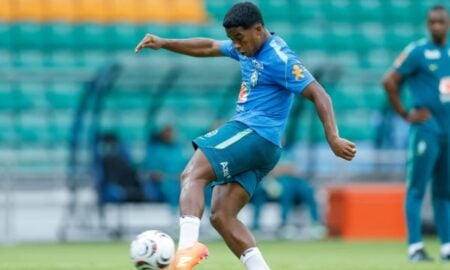
Bolívia takes the field this Thursday against Suriname in Monterrey, seeking to return to the world stage after decades of absence. The Bolivian standout is the young Miguelito, a player who plays in Brazilian football and hopes to take his nation to the 48-team tournament. Caso wins, Bolívia will face Iraque in the final of Chave 2, in a duel that promises to be technically balanced.
On the other side of the draw, Jamaica faces Nova Caledônia in Guadalajara, seeking to reaffirm the strength of Caribbean football. The winner of this clash will have the challenge of facing the RD Congo team, who arrive as favorites due to their consistent performance in the African qualifiers. The logistics of the matches were planned so that the games take place at night at México, avoiding excessive heat and favoring the physical performance of the athletes.
- Bolivia x Suriname: Jogo takes place at 17:00 (Monterrey time).
- New Caledônia x Jamaica: Duelo scheduled for 20:00 (Guadalajara time).
- RD Congo: Aguarda the winner of Chave 1 for the final.
- Iraq: Aguarda the winner of Chave 2 for the decisive game.
Impact on the composition of main groups
The definition of these six vacancies is the last step to consolidate the selection that was previously drawn by the organization. Seleções like França, Argentina and Brasil already know their possible opponents, depending only on the results of these play-offs. Grupo B, for example, awaits the winner of the European Chave A, which could put Itália in the path of Canadá, the host country.
Grupo I, headed by França, will host the winner of the world repechage between Bolívia, Suriname and Iraque. Já o Grupo K awaits the definition between RD Congo, Jamaica and Essa uncertainty generates great expectations, as the entry of a traditional team into an already strong group could create what analysts call a “group of death” in the initial phase.
Preparation of teams for single games
The teams involved in the repechage began intensive training in centers of excellence to minimize tactical errors in direct elimination games. The Italian coaching staff, for example, opted for a squad that mixes defensive experience with young attacking talents, despite the absence of veteran names. The total focus is on quick transition and efficiency in set pieces, fundamental in clashes where nervousness is usually a determining factor.
In the selections for the intercontinental tournament, adapting to the time zone and altitude of México has been a priority in the last two weeks. Bolívia carried out part of its preparation under similar conditions, while Jamaica focused on the physical recovery of its main athletes who work in Europa. The strategy is to ensure that physical conditioning is not an obstacle to executing the game plan, allowing individual talent to decide matches in the final moments.
Public expectations and global audience
Organizers hope that television audiences for the repechage games will break historic records for this stage of the competition. The presence of large markets such as Itália, Polônia and Turquia ensures massive commercial interest, with broadcast rights sold to over 180 territories. Além Furthermore, holding games at México serves as a logistical test for the country, which will host group stage and knockout matches next year.
Ticket sales for the games in Monterrey and Guadalajara were an absolute success, with loads selling out in less than 48 hours after sales opened. The local community and immigrants residing in México embraced the visiting teams, creating a festive atmosphere that anticipates the atmosphere of Copa of Mundo. Para European fans, the short trip between the countries facilitates the movement of large caravans, promising vibrant visitor sectors in the Bérgamo, Varsóvia and Copenhague stadiums.
Technical procedures for game days
Referee-assisting technology, including VAR and automatic offside detection, will be used in all European and global play-off stadiums. Fifa has appointed elite referees from different confederations to ensure impartiality and accuracy in field decisions. Cada selection may make up to five substitutions in three windows, with one extra substitution permitted if the match goes into extra time.
Delegations will also have access to real-time performance monitoring systems, allowing technicians to make immediate adjustments based on statistical data. Security at stadiums has been reinforced at all venues, following international protocols for high-risk events. The goal is to ensure that the focus remains strictly on football, allowing teams to earn their places within the four lines with complete sporting integrity.
Times and locations of decisive clashes
Fans must pay attention to the local times of each match so as not to miss the start of the duels. Na Europa, the semi-finals start simultaneously in different time zones, with Dinamarca facing Macedônia of Norte at 20:45 on Copenhague. Na República Tcheca, the game against Irlanda takes place at the same time in
At México, the programming was designed to stagger the games and allow the public to follow both clashes. Bolívia and Suriname play in Monterrey at 17:00 local time, while Nova Caledônia and Essa organization aims to maximize the visibility of sponsors and provide a complete experience for football fans residing in or visiting the country to follow the play-offs.
Economic importance of classification for federations
Winning a place in the world tournament represents a huge financial contribution for the national federations involved. Além of the direct prizes paid by the central organization, the classified selections attract new sponsors and significantly increase the sale of official products. Para countries with less football tradition, such as Suriname or Kosovo, the classification could mean a leap in investment in infrastructure and youth categories for the next decade.
For European powers, absence from the tournament leads to millionaire losses in advertising contracts and image rights. The pressure on federations is immense, as sporting success is directly linked to the financial health of the entities. Therefore, preparations for this repechage are treated with the same rigor as a championship final, involving chartered flight logistics, exclusive chefs and complete medical teams for all athletes.
The future of the teams after the play-offs
Regardless of the results, the repechage phase marks the end of a four-year cycle for many teams and the beginning of accelerated planning for those classified. The six teams that advance will have less than three months to finalize their travel plans, choose training centers at official headquarters and hold friendly preparation matches. Time is short, and the margin for error is non-existent for those who want to compete at a high level against the best teams on the planet.
For the teams that are eliminated, the period will be one of in-depth restructuring and analysis of the errors made during the Eliminatórias. Mudanças in technical commands and the retirement of veteran athletes are common consequences after losing a place in the world championship. The focus of these nations will be on the 2027 continental competitions and the beginning of the cycle aimed at the subsequent edition of the tournament, maintaining the dream of returning to the elite of international football in the near future.