
Producer Capcom confirms ten-year planning for the Resident Evil franchise with new games

Japanese developer Capcom has established a long-term strategic roadmap focused on its flagship intellectual property in the survival horror genre. Internal planning projects the brand’s development and expansion guidelines for the next ten years in the global interactive entertainment market.
The corporate initiative foresees the simultaneous creation of new chapters for the main chronology and the modernization of classic works that marked previous generations of hardware. The production company’s central objective is to consolidate the franchise’s presence among both veteran audiences and new consumers.
The project encompasses massive investments in its own technological infrastructure and the branching of the narrative universe into different audiovisual media formats. The move aims to ensure the commercial longevity and cultural relevance of the series in the highly competitive technology industry.
Financial market reactions and corporate stability
The announcement of the long-term guidelines generated immediate movements on Asian stock markets, reflecting shareholders’ confidence in the developer’s management. The predictability of a structured launch calendar offers security for institutional investors seeking stability in the technology sector.
Financial analysts point out that the tactic of interspersing modernization projects with new titles creates a constant and highly predictable cash flow for the company. Essa business methodology minimizes the commercial risks inherent in developing high-budget entertainment software.
The transparency of the corporate roadmap makes it easier to negotiate temporary exclusivity agreements with major console manufacturers and digital distribution platforms. Esses contracts usually generate substantial advance revenues, which are directly injected into financing the initial stages of graphic production.
The economic sector observes the execution of this planning as a sustainability model for the management of intellectual properties with a global reach. The strategy protects the company against sudden market fluctuations and guarantees the maintenance of multiple teams operating simultaneously.
Technological update and evolution of the graphics engine
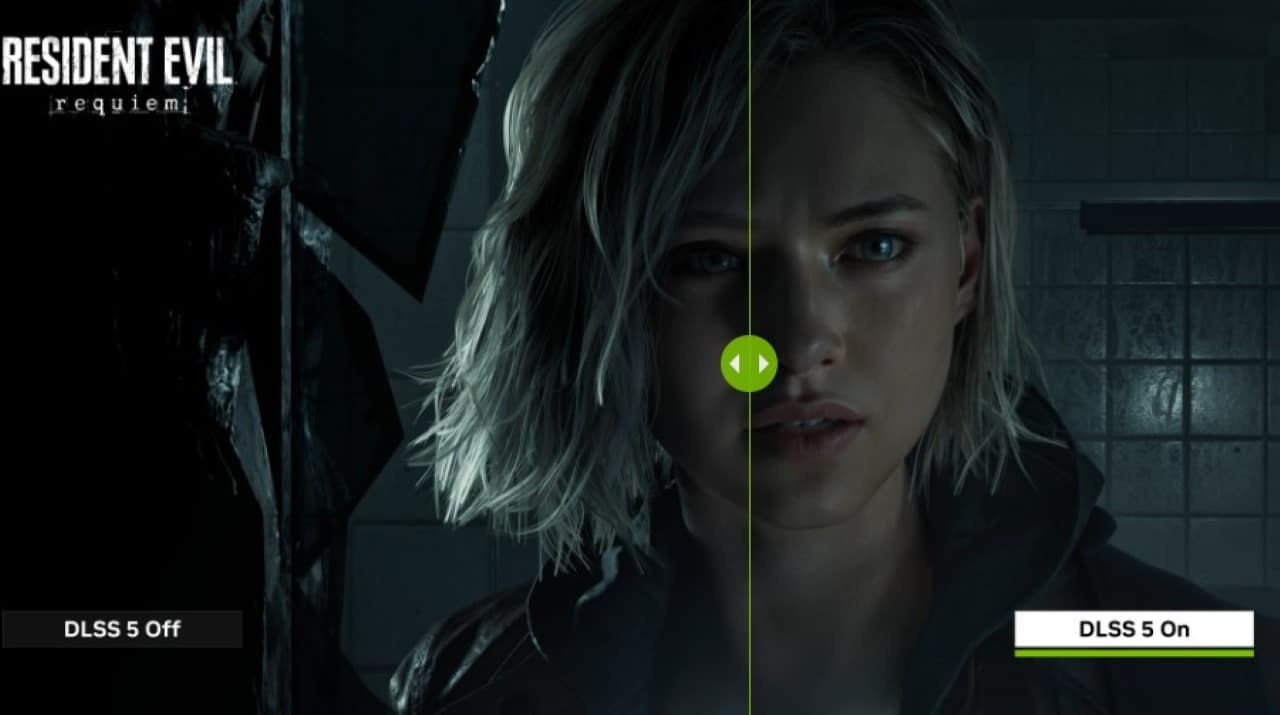
The technical feasibility for executing this extensive release calendar is based on the continuous improvement of RE Engine, the proprietary graphics engine built by the company’s engineers. Esta software tool has demonstrated high scalability, enabling the creation of photorealistic virtual environments and detailed three-dimensional models with excellent performance optimization across multiple hardware platforms. The system’s flexible architecture facilitates the transition of projects between different generations of consoles, drastically reducing operational costs and compilation time for each new title. The company allocates a significant portion of its annual research and development budget to integrating new functionality into the engine, such as advanced native support for virtual reality devices and dynamic spatial audio processing. Technological independence in relation to third-party software suppliers ensures that the production company maintains absolute control over the workflow, allowing precise adjustments to the physics of objects and global lighting, fundamental elements for building the atmosphere of tension characteristic of the company’s works.
Transmedia expansion and product licensing
The expansion roadmap goes beyond the limits of traditional computers and consoles, encompassing an aggressive licensing tactic for different audiovisual entertainment formats. The intellectual property includes adaptations for cinema in live-action format and computer graphics animations, aiming to reach a consumer profile that does not have the habit of consuming electronic games on a daily basis. The producer has entered into strategic partnerships with film studios and streaming platforms to ensure global and simultaneous distribution of its derivative content.
In addition to productions destined for the screen, corporate licensing extends heavily to the manufacture of physical consumer goods, diversifying the company’s sources of revenue in traditional retail. Essa branch includes themed apparel lines developed by streetwear brands, hi-fi collectibles, and assorted print publications. Creative control over these products has been heightened by the board to ensure that all derivative works strictly adhere to the official chronology and visual identity established by the original games.
Modernization of classic works and public acceptance
The corporation’s current direction gains strength following the largely positive financial performance recorded by reconstructed versions of its past successes. The commercial viability of restructuring old software with contemporary graphics standards has been proven by high global sales rates.
Consumer acceptance validated the company’s methodology of preserving the original narrative essence while completely updating control mechanics to modern standards. Recent projects have generated significant profit margins and received favorable reviews from technology critics.
The modernization strategy meets specific criteria established by the development board, including rigorously preserving the survival horror atmosphere, implementing advanced artificial intelligence for the antagonists, and completely restructuring level and puzzle design.
Development of narratives and new protagonists
In parallel with the work of rebuilding classics, the creative teams maintain focus on the progression of the main story through the conception of completely new chapters. The objective is to expand the mythology of the fictional universe by introducing new exploration scenarios and central characters.
Structuring a ten-year script ensures that screenwriters have time to develop complex and long-lasting narrative arcs. Essa methodological approach avoids brand saturation and allows each release to offer a distinct and innovative gaming experience.
Preservation of the brand’s historical legacy
The global consumer community maintains high expectations about which back catalog titles will be selected for the graphical reconstruction process in the coming years. Obras that defined the parameters of the interactive entertainment industry are often highlighted in market research.
The production company’s management constantly evaluates telemetry data and user feedback to define the order of technical priority for these recreations. The goal is to ensure that the historical legacy is preserved and presented in an accessible way for the latest generation hardware.
Internal restructuring and operational capacity
To sustain the delivery pace required by the new decade-long calendar, the developer carried out a broad restructuring of its engineering and art departments. The company now operates with multiple simultaneous work fronts, allowing different projects to progress without compromising the technical quality standards required by the international market.



