
Saudi Prince Mohammed Bin Salman urges Trump to continue war on Iran, says NYT

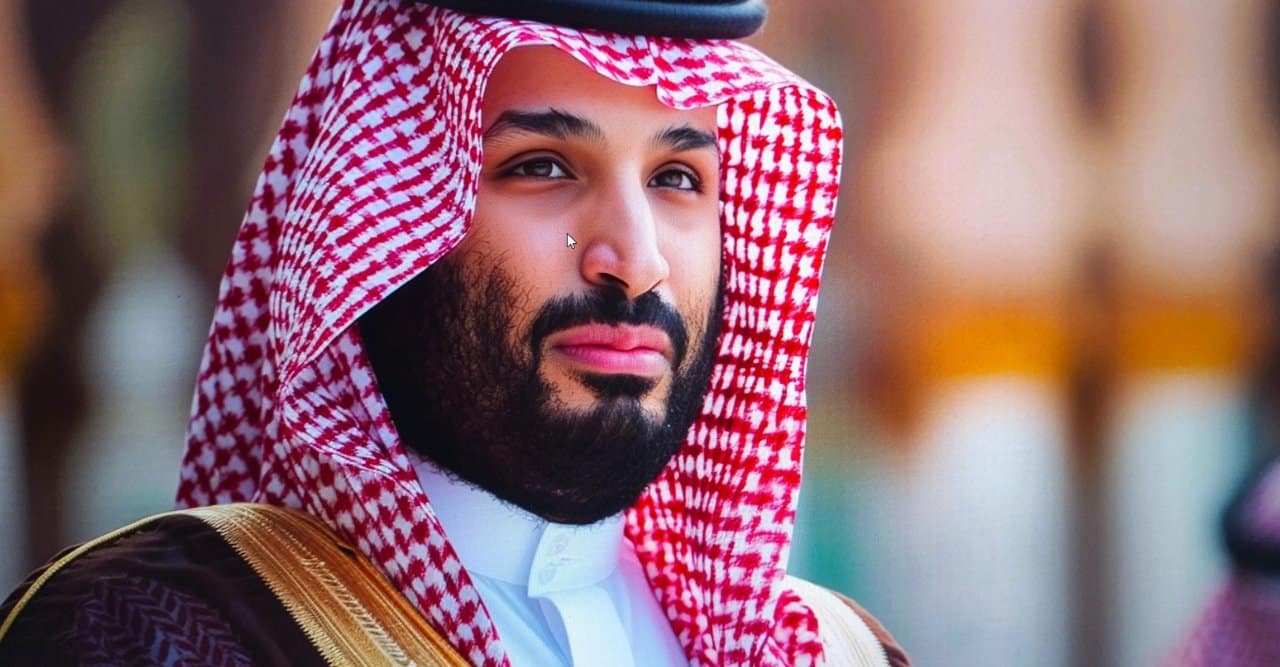
The crown prince of the Arábia Saudita, Mohammed bin Salman, has exerted strong pressure on the then president of the Estados Unidos, Donald Trump, to continue and escalate the military conflict against the The information, revealed by the American newspaper The New York Times in March 2026, indicates that bin Salman considers a comprehensive military campaign against Teerã a “historic opportunity” to profoundly redesign the geopolitical landscape of Oriente Médio. The regional clash officially began on February 26, 2026, after a series of joint attacks orchestrated by the USA and Israel against Iranian territory, following the failure of complex nuclear negotiations that aimed to contain Teerã’s atomic program.
Throughout intense conversations held in the week before the revelation, the Saudi prince would have instigated the Republican leader to seek the complete destruction of the Iranian government. Ele argued that Irã poses an existential and long-term threat to the stability of Golfo, justifying more aggressive military intervention.
To strengthen its position, bin Salman reportedly suggested implementing significant ground operations, including the deployment of American troops. The main objective would be to take strategic control of Iran’s energy infrastructure, a measure that, according to its assessments, would precipitate the fall of the regime.
Pressures on American leadership
Conversations between the leaders, detailed by sources familiar with the matter, point to the prince’s continued insistence on persuading Trump of the need for a decisive offensive. The perspective presented by Riad suggests that the window for robust and potentially successful military action was limited and needed to be taken advantage of.
The strategy defended by bin Salman went beyond mere bombings, contemplating a prolonged and multifaceted campaign. The long-term vision for the region, according to the prince, would depend on eliminating what he considers the main source of instability: the Iranian government.
This approach contrasts with the views of other advisers and diplomats, who generally prioritize diplomatic solutions or containment. The urgency of bin Salman highlights the deep divisions and conflicting interests that permeate international relations in Oriente Médio.
Regional risks and fears
Arábia Saudita finds itself in a delicate situation in the context of the conflict. Atualmente, the kingdom uses stocks of the American-made Patriot air defense system to protect itself from constant Iranian attacks, which have intensified. However, the availability of these interceptors is scarce on a global scale, generating growing concern.
Although the crown prince demonstrates a clear interest in fomenting hostilities, there is palpable apprehension among senior American and Saudi officials. The main fear is that a long-term conflict could expose Arábia Saudita’s oil installations to more severe attacks from Irã.
Such attacks would have potentially devastating effects on the kingdom’s economy and, by extension, the global energy market. Recent Iranian bombings and repeated threats to Estreito of
Search for alternative routes
In the face of growing threats, Arábia Saudita and Emirados Árabes Unidos have explored and resorted to alternative pipelines to divert the flow of oil from Estreito to Ormuz. Essa strategy aims to mitigate the risks associated with the interruption of maritime transport in the region.
However, these logistical alternatives are also not immune to attacks. The vulnerability of these routes demonstrates the complexity and scope of Iranian tactics.
The concern of Mohammed bin
Saudi official denial
Through diplomatic channels and official channels, the Saudi government’s discourse is divergent from the allegations made by The New York Times. In a formal note sent to the American newspaper, Riad vehemently denied that the crown prince had pushed for any prolongation of the confrontation.
The official statement highlighted the kingdom’s commitment:
The statement went on to say: “Our main concern today is to defend ourselves from daily attacks against our people and our civilian infrastructure. Irã has chosen a dangerous policy of risk rather than serious diplomatic solutions. The public position highlights the defense and condemnation of Iranian actions, while internal reports paint a scenario of more intense strategic pressures.



