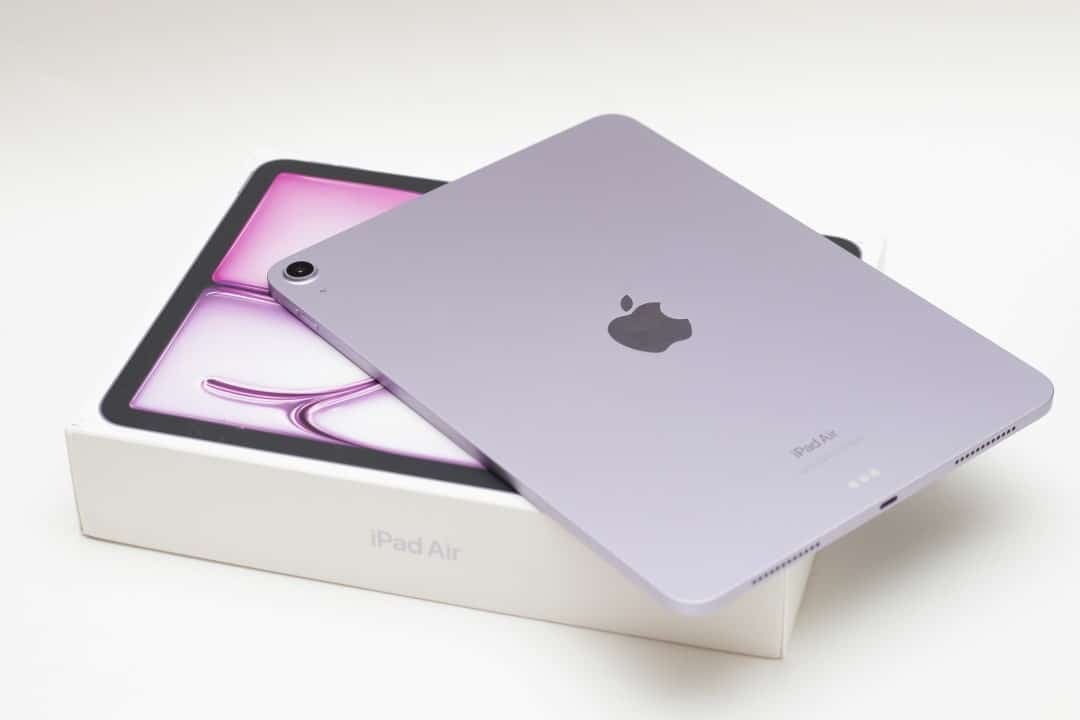
John Ternus, current senior vice president of hardware engineering at Durante the first years of the device’s existence, the equipment operated with the same software used in the brand’s smartphones, which led to evident underutilization of the more robust processors and large screen proportions. The executive’s insistence on creating a dedicated platform culminated in the persuasion of Craig Federighi, responsible for software engineering, to develop an exclusive digital environment. Essa strategic move represented the biggest leap in usability in the device’s trajectory, allowing the implementation of productivity tools that brought the user experience closer to that of a traditional computer. The transition required a joint effort between different departments within the company to ensure that the new interface respected the brand’s characteristic fluidity while adding layers of complexity necessary for the professional audience. The result of this internal coordination redefined the product’s positioning in the global technology market.
The introduction of a proprietary system freed engineers to explore processing capabilities that were previously idle due to the constraints of older software. Usuários companies and content creators now have a digital environment optimized for managing multiple windows and intense workflows.
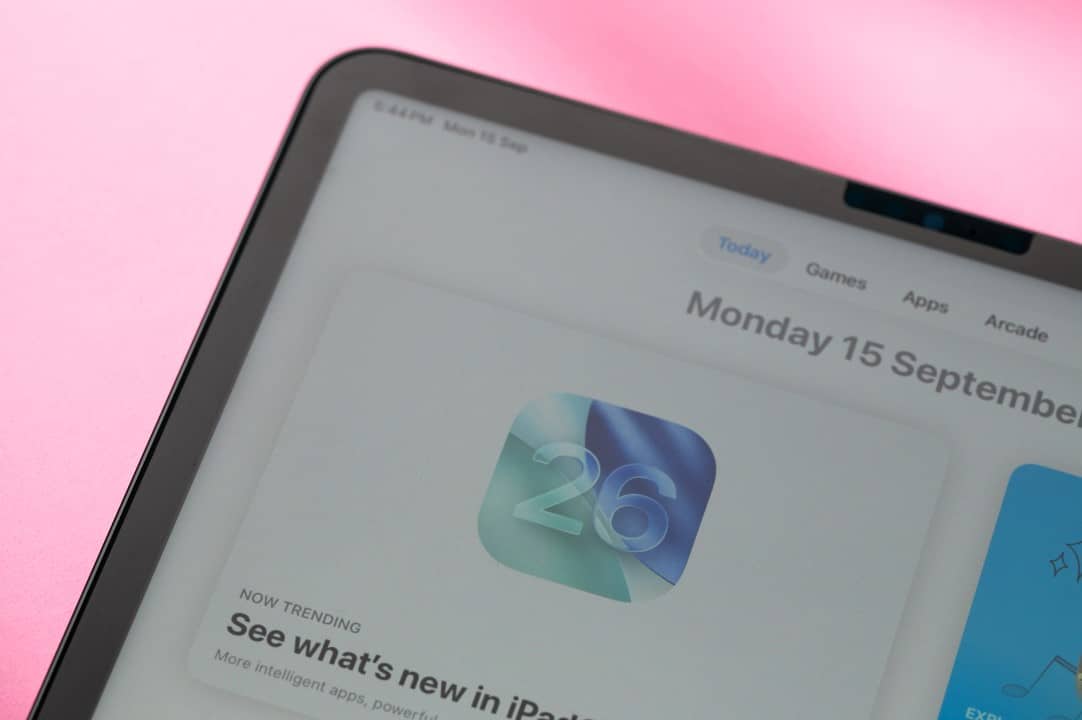
The alignment between physical specifications and visual programming has established a new standard for the mobile device industry. The structural change also facilitated the adoption of the device as the main work tool in various corporate and creative sectors.
System separation optimized the use of advanced processors
The decision to separate the operational platforms arose from the technical need to monitor the physical evolution of the internal components manufactured by the company itself. With the introduction of increasingly powerful chips, originally designed to handle high power and graphics demanding tasks, previous software acted as a performance bottleneck. The engineering team noted that maintaining an interface designed for small inch screens prevented the exploitation of features such as rendering videos in very high resolution and running three-dimensional modeling applications simultaneously. The new system’s architecture was designed to intelligently distribute the processing load, directing hardware power to foreground applications without compromising the stability of background functions.
The transition process involved rewriting fundamental code to ensure that battery life was not compromised by new desktop-level functionality. Developers needed to find a balance between delivering superior performance and maintaining portability, which has always been the category’s main attraction. Implementing more sophisticated window managers required rigorous usability testing to prevent the interface from becoming overly complex for the average user. Essa meticulous approach has resulted in a scalable digital environment capable of meeting both the needs of casual browsing and the demands of professional media editing.
Peripheral development transformed digital ergonomics
The hardware team’s work extended beyond the main structure of the tablet, encompassing the creation of essential peripherals for daily productivity. The development of high-precision digital pens and keyboards with magnetic suspension mechanisms has changed the way consumers interact with their screens.
These external components are designed with induction charging and automatic pairing systems, eliminating the need for cables and time-consuming manual setups. The physical and logical integration of these accessories has reduced friction in continuous use, benefiting professionals who rely on extensive typing or digital illustration.
The engineering behind the magnetic connectors required millimeter precision to ensure the assembly’s stability during transport and use on uneven surfaces. The practical result of this technical dedication consolidated the device as a versatile workstation adaptable to different corporate environments.
Multitasking tools bring the experience closer to that of computers
The independence of the software allowed the introduction of screen management features that changed the dynamics of using the device. The possibility of keeping multiple applications open simultaneously, with resizable windows, met a long-standing demand from corporate users.
The visual organization system facilitates quick transitions between communication applications, text editing and internet research. Essa Operational fluidity reduces time spent switching tasks and increases efficiency in complex workflows.
The integration of specific keyboard shortcuts for the operating system increased the speed of navigation through the device’s menus and settings. Profissionais accustomed to traditional computer shortcuts found a reduced learning curve when migrating to the mobile platform.
Support for high-resolution external monitors further expands the available work area, allowing content to be projected onto larger screens without loss of graphic quality. Essa specific functionality transformed the tablet into a processing center capable of powering complete workstations.
Engineering trajectory consolidates corporate leadership position
Professional advancement within the corporate structure reflects the ability to coordinate highly technically complex projects and align different departments towards a common objective. Desde Upon joining the company in the early 2000s, the executive responsible for the hardware division actively participated in the design of several generations of products that redefined their respective market segments. Overseeing lines of smartphones, wireless headphones and personal computers has given him a comprehensive view of the integration needs between different categories of devices. The ability to translate usability demands into precise technical specifications has resulted in devices with greater energy efficiency, improved connectivity and extended durability. The constant focus on reducing the thickness of devices, without compromising heat dissipation capacity or battery life, demonstrates a deep mastery of materials science and the architecture of internal components. Essa bagagem técnica e gerencial coloca o departamento de engenharia no centro das decisões estratégicas da empresa, garantindo que os próximos lançamentos mantenham o padrão de inovação esperado pelo mercado consumidor e pelos investidores globais.
Synchronization between physical components and visual programming
Close collaboration between physical parts engineers and interface programmers prevented the product from becoming stagnant in its original functions. The ideas conceived in the physical testing laboratories served as the basis for creating new shortcuts and navigation gestures on the touch screen.
Making the most of motion sensors and integrated cameras directly depended on this fluid communication between teams. Annual operating system updates continue to extract new functionality from sensors that were already present in previous generations of equipment.
Chip evolution drives new processing capabilities
The transition to unified architecture processors represented a milestone in the ability to execute concurrent tasks. The presence of cores dedicated to machine learning and graphics processing has accelerated the rendering of complex projects directly on the mobile device, bringing direct advantages for everyday use:
– Aceleração rendering of complex projects in real time
– Significant Melhoria in thermal efficiency and battery consumption
– Deep Integração with machine learning tools
– Advanced Suporte for editing videos in very high resolution
The thermal efficiency of these new components allowed a thin and light design to be maintained without the need for noisy cooling fans. The absence of internal moving parts increases the device’s durability and ensures silent operation in recording environments or corporate meetings.
Continuous adaptation to the demands of the professional market
The constant improvement of software and hardware tools ensures the relevance of the equipment in a highly competitive technological scenario. The ability to listen to feedback from creative professionals and implement practical solutions keeps the platform a top choice for those looking for mobility without giving up raw performance.
