
Asian manufacturer launches Poco F8 line on the global market with advanced chip and 6500 mAh battery


The mobile device industry registers a new strategic movement with the introduction of an unprecedented series of smartphones aimed at the high-performance segment. The subsidiary of the Asian technology giant officially announced the arrival of its new devices on international trade, betting on robust technical specifications to attract demanding consumers. The main focus of the announcement is on the integration of state-of-the-art components, designed to support intense usage routines and complex data processing in real time.
The global telephone market is going through a phase of technical transition, where the demand for energy autonomy and execution speed dictates the rules of consumption. The new models arrive to fill a historic gap between premium mid-range devices and traditional top-of-the-line devices, offering a viable alternative for those looking for high computing capacity in their pocket.
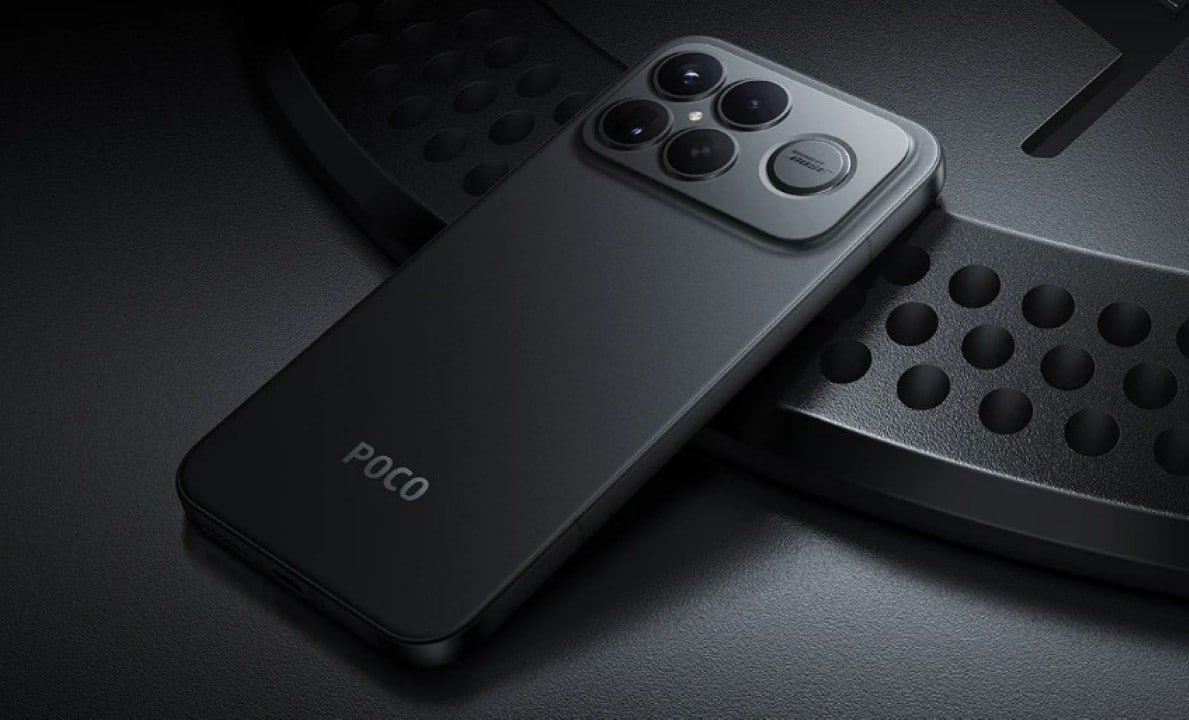
The company’s commercial strategy involves offering advanced hardware at competitive prices, a tactic already known in the sector, but which has now reached a new level of industrial execution. Especialistas from the technology sector point out that the combination of parts chosen for this generation sets a new cost-benefit standard, putting pressure on the competition to review their profit margins and component offerings.
Pricing structure and available memory configurations
The price table published for the international market reveals an aggressive commercial approach compared to direct competitors in the same segment. The entry-level model, equipped with 12 gigabytes of random access memory and 256 gigabytes of internal storage, hits virtual shelves with a suggested price of $579.
For users who demand greater capacity to store files, high-resolution videos and heavy applications, the version with 512 gigabytes of internal space was priced at $629. Esta variation seeks to meet different budget profiles without sacrificing the core performance of the mobile device.
The most advanced variant in the line, which carries the nomenclature Pro, has an acquisition cost that varies between 729 and 799 dollars, depending on the memory specifications chosen by the final buyer. Este top model incorporates exclusive features aimed at professional image capture and extreme graphics processing.
Processing architecture and thermal cooling system
The operating core of the new devices is powered by the Snapdragon 8 Elite processor, a recently launched component that promises to redefine speed limits in portable equipment. Este advanced architecture chip is designed with next-generation lithography to optimize power consumption while delivering high frame rates in complex video games and unparalleled fluidity in tasks that require machine learning and artificial intelligence. The integration of this semiconductor puts the devices on processing parity with the most expensive models currently available in global retailers.
To ensure that the processor maintains its maximum performance without suffering from structural overheating, the manufacturer’s engineers implemented a heat dissipation system based on a large-scale vapor chamber. Esta cooling technology acts directly on the critical components of the motherboard, transferring the high temperature to the ends of the case in a highly efficient way. The physical mechanism is essential to avoid automatic reduction in chip speed during prolonged sessions of intense use, ensuring a stable and continuous experience for the end user.
Power autonomy and structural strength of the chassis
One of the most notable aspects of the hardware engineering design is the inclusion of a power cell with a nominal capacity of 6,500 milliampere-hours. Este load volume represents a significant jump compared to the current industry average, which traditionally operates in the 5,000 milliampere-hour range.
The high-density battery was developed using new internal chemical compounds that allow it to store more electrical energy without drastically increasing the physical thickness or total weight of the phone. The practical result is a device capable of withstanding long periods away from sockets.
The main power system is complemented by ultra-fast cable charging technology, whose power management algorithms work to preserve long-term cell life. Efficient charging minimizes equipment downtime throughout the day.
In terms of physical durability, the external structure received international certifications for resistance against the entry of dust particles and protection against accidental submersion in water. The materials used in the construction of the chassis aim to absorb everyday impacts more effectively.
Visual Panel Specifications and Digital Image Capture
The device’s visual interface is dominated by a 6.59-inch panel that employs organic light emission technology, ensuring deep contrast levels and extremely vibrant colors under any ambient lighting condition. The screen has a resolution technically classified as 1.5K, offering a pixel density higher than the conventional high definition standard, which results in sharper text and detailed images for media consumption. Além of superior static quality, the display supports high refresh rates in hertz, a feature considered indispensable for fluid navigation in operating system menus and for the reproduction of dynamic content without visual traces. In the photographic department, the rear set houses high-resolution sensors designed specifically to capture light efficiently in night or indoor environments, while the front has a 32-megapixel lens dedicated exclusively to high-clarity video calls and self-portraits. Raw image processing is aided by advanced software algorithms that automatically adjust complex parameters such as light exposure, white balance and color saturation, delivering photographs ready for immediate use.
Market expansion and local regulatory procedures
The global distribution schedule foresees the gradual arrival of the devices on different continents over the next few weeks of commercial operation. International delivery logistics were structured to initially supply the Asian and European markets as a priority.
In specific América Latina territories, official marketing and technical support depend on prior approval from local telecommunications regulatory bodies. Responsible government agencies must strictly certify that equipment operates within radio frequencies permitted by law.
Software integration and user interface
The operation of the hardware is orchestrated by an operating system interface customized by the manufacturer itself, based on the latest mobile programming guidelines. The software has been optimized to reduce background resource consumption and speed up opening of native applications.
Security updates and stability improvements are scheduled into the company’s support calendar to ensure system longevity. The clean interface aims to offer a quick learning curve for new users migrating from other digital platforms.
Strategic positioning in the technology sector
The introduction of this new family of smartphones directly changes the competitive dynamics established between the main manufacturers in the telecommunications sector. By raising the standard of technical specifications required in price ranges considered intermediate, the brand forces other corporations to immediately review their product portfolios.



