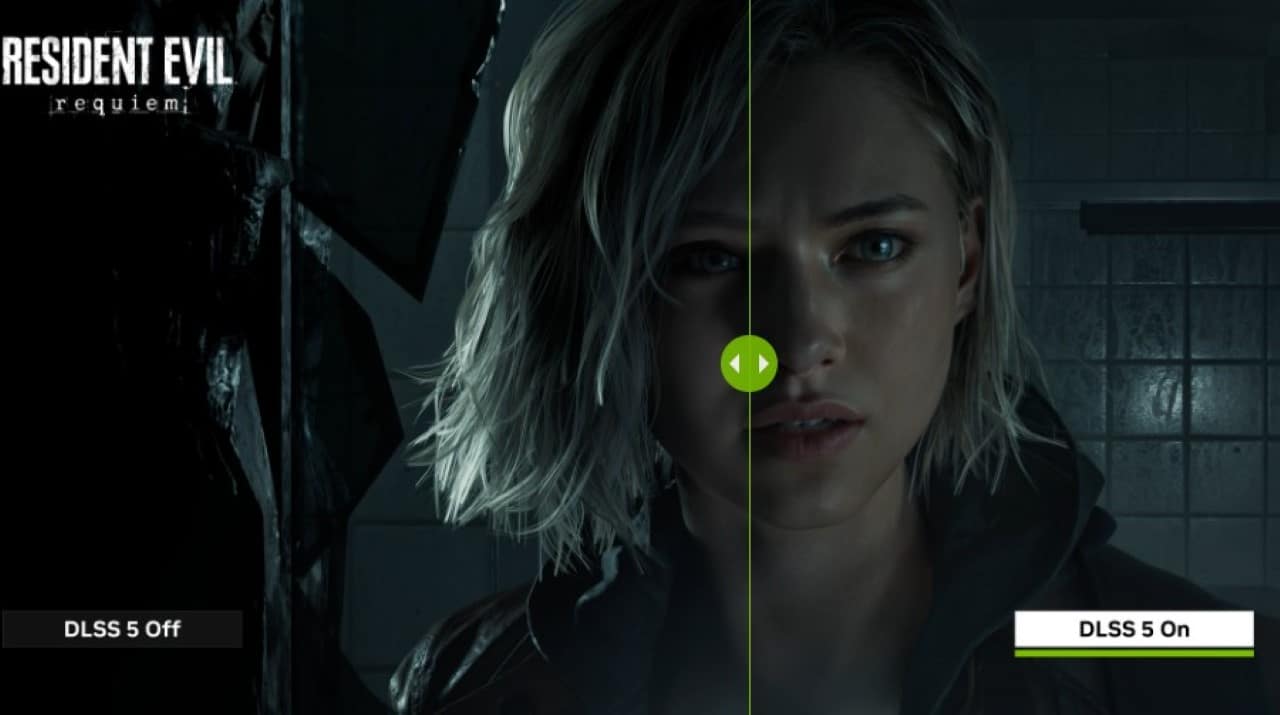
Japanese developer Capcom has established a long-term strategic timeline for the Resident Evil survival horror franchise. The planning covers an entire decade of continuous releases, interspersing the recreation of classic titles with the development of completely new narratives. The initiative aims to consolidate the brand in the global digital entertainment market, taking advantage of the commercial success and high profitability of the most recent installments in the series. The approach seeks to balance veteran fans’ nostalgia with modern mechanics to attract a new generation of players across multiple platforms.
Market strategy and financial sustainability
The business model adopted by the company reflects a need in the high-budget gaming industry to ensure predictable and ongoing profits. The use of already established and widely recognized intellectual property significantly reduces the risks associated with launching new franchises in the current market, which requires increasingly robust investments in technology and marketing. Esta security allows the company to project its finances with greater accuracy over the coming years.
The resources obtained from recent sales successes are being reinvested directly in expanding the series’ universe. Detailed planning allows investors to have clarity about the company’s next steps, ensuring stability in shares and continuous cash flow for development studios. Transparency in this launch roadmap also strengthens shareholders’ confidence in the technical department’s execution capacity.
Modernization of classics and technical advances
One of the fundamental pillars of this ten-year plan is the revitalization of games originally released in the 1990s and early 2000s. The recreation process goes beyond a simple visual update, involving the complete restructuring of scenarios, controls and combat systems to contemporary video game industry standards.
The company’s proprietary technology, known as RE Engine, undergoes constant updates to support the new hardware requirements of current platforms. Developers aim to achieve specific technical goals to ensure user immersion:
– Taxas high upgrades for fluid combat.
– Suporte at ultra-realistic resolutions and high-density textures.
– Implementação ray tracing to enhance lighting and horror atmosphere.
– Three-dimensional spatial Áudio for precision threat location.
Fundamental aspects of gameplay also undergo profound changes during the modernization process. Enemy AI is rewritten to deliver dynamic, unpredictable challenges, while item distribution, document location, and puzzle solving are tweaked to surprise even players who know the original titles by heart.
Narrative expansion and new protagonists
In parallel with the recreation projects, the franchise’s main timeline will continue to advance with numbered titles and story expansions. The writing team works on transitioning narrative arcs, leaving behind recently concluded stories to explore new biological threats in different parts of the world, while maintaining the plot’s freshness.
The introduction of new central characters is handled with extreme caution to keep the essence of survival horror intact. The goal of the art direction and script is to avoid excessive power escalation by the protagonists, ensuring that the feeling of vulnerability and scarcity of resources remains at the core of the player’s experience throughout the campaign.
Classic characters that defined the series in recent decades also have returns planned within this new narrative scope. The integration between veteran agents and novice civilians allows for the creation of a bridge between different generations of fans, expanding the mythology of the universe without distorting its investigative and corporate conspiracy roots.
The use of state-of-the-art motion capture and enhanced voice acting raises the cinematic level of new productions. The studios seek to deliver denser and more psychologically complex narratives, focusing on human dramas amid biological chaos and the direct consequences of bioterrorism in the game’s fictional global society.
Transition to digital format
The distribution of upcoming titles will have a massive focus on digital platforms, reflecting a change in consumer behavior on a global scale. The progressive reduction of dependence on physical media allows the company to cut heavy logistical costs of manufacturing discs, international transport and storage at retailers, maximizing the profit margin on each unit sold in virtual stores.
This digital approach makes it easier to implement ongoing updates and sell additional content directly to connected users. The business strategy includes creating story expansion packs, extra action-focused game modes, and cosmetic items that extend the lifespan of each release, keeping the community engaged and generating recurring revenue for months or even years after the base game hits the market.
Team management and talent retention
To sustain such an aggressive pace of releases without compromising technical and artistic quality, the company’s internal development structure was completely reorganized. The company has divided its employees into multiple autonomous teams that work in parallel, allowing the pre-production, active development, motion capture and quality control phases of different games to occur simultaneously in different studios. Maintaining a continuous workflow prevents downtime and optimizes the use of proprietary authoring tools. Além In addition, the retention of directors, senior programmers and veteran artists is treated as a top priority by the human resources department, ensuring that the technical knowledge accumulated over the years is efficiently passed on to new hires, avoiding the loss of the visual identity and precise mechanics that have established the franchise in the competitive international electronic games market.
Integration with the community
Monitoring player behavior plays a crucial role in directing the developer’s future projects. Através From the rigorous collection of in-game telemetry data and the active monitoring of forums and social networks, engineers adjust the difficulty curve, weapon balance and campaign pacing to meet the public’s expectations, creating a highly responsive development cycle focused on the end user experience.
The future of survival horror
The decade-long commitment to a single intellectual property demonstrates absolute confidence in the brand’s strength in the entertainment sector. The planned expansion is not limited to video games alone, it also encompasses strategic licensing for film productions, animated series on streaming platforms and a vast line of consumer products aimed at collectors.
The successful execution of this plan has the potential to dictate horror genre trends in the interactive technology industry for years to come. The standardization of high graphic quality combined with a consistent release calendar establishes a new level of demand for competing studios seeking to gain space and relevance in this specific segment of the global market.
