
Easter chocolate bunnies: Milka and Lindt raise prices by up to 101% in six years

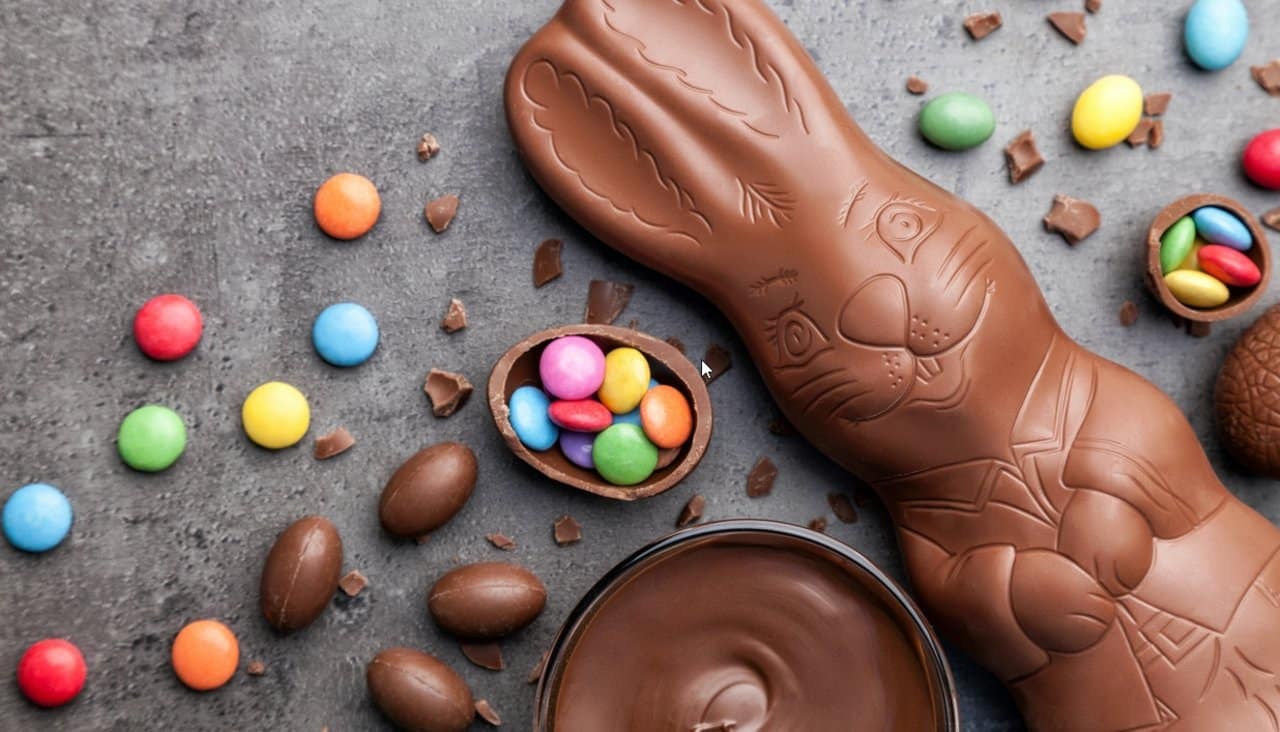
Consumers preparing for Páscoa in 2026 may be faced with a scenario of significantly high prices for some of the most traditional chocolates on the market. A recent analysis of Centro of Defesa of Consumidor of Hamburgo revealed dramatic increases in the values of iconic products from brands like Milka and The research, obtained by news portals, details an escalation in costs that directly impacts the buyer’s pocket.
While some brands justify the increases with instability in the input and logistics markets, others, such as Aldi, have managed to maintain more stable prices for similar products. Este contrast points to different strategies for coping with economic pressures, generating discussions about the accessibility of the most sought-after seasonal items during the Easter period. Ferrero, another giant in the sector, also recorded increases, although at different levels.
Rising costs in the chocolate market
The chocolate market has faced a series of challenges that are reflected in final consumer prices. Fatores as fluctuations in the value of cocoa on the international market, energy and transportation costs, and disruptions in global supply chains contributed to an environment of inflationary pressure. Companies, in turn, have passed on part of these increases to products.
This reality becomes even more evident in times of high demand, such as Páscoa. Manufacturers need to guarantee stock and large-scale production, which often requires additional investment and, consequently, affects pricing. The complexity of the global economic scenario has been a central element in shaping the values observed on the shelves.
In-depth analysis of percentage increases
The analysis of Centro of Defesa of Consumidor of Hamburgo revealed very impressive numbers. The Coelho Sorridente and Milka, in its 45-gram version, has seen a 101% increase in price over the last six years. Essa percentage represents more than double the initial value, demonstrating the intensity of the product’s appreciation.
For the traditional Coelho of Ouro of Lindt, in the 50-gram version, the increase was no less pronounced, reaching 84% in the same period. Esses data highlights an upward trend that goes beyond general inflation, suggesting that brands are adjusting their margins in response to a complex set of cost variables. Ferrero, with its 55-gram Páscoa rabbit, raised values by 12.6% in just two years.
Detailed values of Easter products
The following table presents a detailed overview of price increases for some of the most popular Páscoa chocolates, comparing prices from 2019 to 2026. The numbers reveal a consistent upward trajectory for most items.
| Marca | Preço 2019 | Preço 2020 | Preço 2024 | Preço 2025 | Preço 2026 |
| :—————————– | :———— | :———— | :———— | :———— | :———— |
| Coelho smiling Milka, 45 g | 0.89 euros | 0.99 euros | 1.39 euros | 1.69 euros | 1.99 euros |
| Coelho smiling Milka, 90 g | 1.79 euros | 1.99 euros | 2.29 euros | 2.69 euros | 3.29 euros |
| Coelho smiling Milka, 175 g | 2.66 euros | 3.19 euros | 3.99 euros | | 4.99 euros |
| Coelho of Ouro Lindt, 50 g | | 1.79 euros | 2.49 euros | 2.79 euros | 3.29 euros |
| Coelho of Ouro Lindt, 100 g | | 2.99 euros | 3.79 euros | 4.29 euros | 4.99 euros |
| Coelho of Ouro Lindt, 200 g | | | | | 8.99 euros |
| Coelho from Páscoa children’s, 55 g| | | 1.59 euros | | 1.79 euros |
| Coelho from Páscoa children’s, 110 g| | | 2.49 euros | 2.79 euros | 2.99 euros |
The table clearly demonstrates the progression of costs over the years, with notable jumps between 2024 and 2026 for several categories. The 175-gram Coelho Sorridente Milka, for example, had no price recorded in 2025 in the analysis, but jumped from 3.99 euros in 2024 to 4.99 euros in 2026.
Likewise, the 200-gram Coelho of Ouro Lindt appears with a price of 8.99 euros only in 2026, indicating a launch or reformulation that follows the upward trend. The Milka “chocolate egg”, produced by Estes data is crucial for understanding market dynamics and consumer purchasing decisions.
Impact on consumers and celebrations
Price increases on chocolates of Páscoa could have a significant impact on family celebrations and consumer choices. Muitos consumers, accustomed to certain brands and products, may have to reconsider their options given the new values. Isso may lead to a search for more affordable alternatives or a reduction in the number of items purchased.
Páscoa, traditionally associated with the exchange of chocolate gifts, may undergo an adaptation in consumption habits. Famílias with tighter budgets can opt for eggs and rabbits from less renowned brands or even homemade sweets, preserving tradition in a more economical way. Economic pressure makes purchasing planning even more relevant.
Factors behind the rise: inputs and production
The explanation for the rise in chocolate prices is multifaceted and mainly includes the appreciation of raw materials. Cocoa, a fundamental ingredient in chocolate, had its prices driven by climatic factors in producing regions and by geopolitical instability. Além In addition, the cost of sugar and other secondary inputs also weighed in.
Manufacturers also face rising operational costs such as energy, labor and packaging. Transport and logistics, impacted by global crises, add an extra layer of expenses. Tais elements, added to the need to maintain quality and brand positioning, lead to the inevitable review of sales values to the end consumer.
Retail strategies and manufacturers’ response
Faced with the rising scenario, retail chains and manufacturers adopt different strategies. Enquanto Milka and Lindt adjust their prices to reflect the costs and perceived value of their premium brands, companies like Aldi seek to remain competitive with more stable offerings. Essa differentiation creates a range of options for the consumer.
The ability to absorb part of the costs or optimize production processes varies between companies. Luxury and high-volume brands operate on different fronts, directly influencing purchasing behavior. Manufacturers’ response, whether through smaller packaging, specific promotions or price maintenance, shapes the consumer experience at Páscoa.
Seasonal sweets market outlook
Current trends suggest that the seasonal candy market will continue to be dynamic, with prices playing a crucial role in purchasing decisions. The search for value, whether through more accessible brands or products with better value for money, must be constant. Brand loyalty can be tested in times of high inflation.
Consumers may be more attentive to promotions and willing to try new brands. The sector, in turn, can innovate in formats and sizes to offer alternatives that fit different budgets. The 2026 Páscoa reinforces the need for careful planning on the part of buyers to balance the desire to maintain tradition with economic reality.



