
Galaxy S26 Ultra and iPhone 17 Pro Max compete in drop test
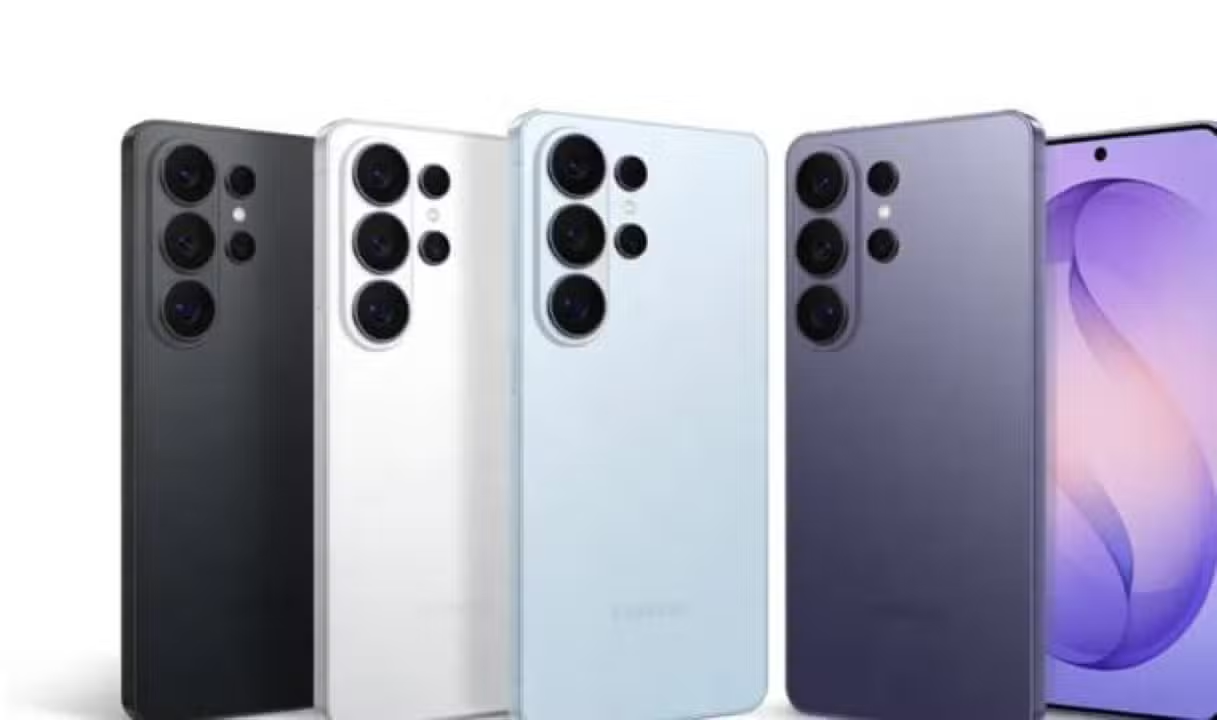
The drop test carried out between the Galaxy S26 Ultra and the iPhone 17 Pro Max put the two flagships in direct confrontation to evaluate the durability of the devices. Especialistas subjected the devices to a series of controlled drops from different heights and angles. The results indicated variations in performance depending on the type of impact and the part of the phone affected.
The tests involved corner, face and edge drops onto hard surfaces. Ambos the models used advanced materials such as titanium or aluminum structures and reinforced glass protections. Assessments focused on damage to the screen, frame, cameras and biometrics components after each round.
Initial details of the confrontation between the flagships
Engineers began the procedure with drops from moderate heights to observe the first signs of wear. The iPhone 17 Pro Max showed good integrity in the initial structure in some rounds. Já o Galaxy S26 Ultra showed different responses depending on the angle of impact.
The teams recorded visible marks on the aluminum or titanium frames of the two devices. In certain corner tests, the iPhone exhibited more pronounced deformations in the chassis. The Galaxy S26 Ultra, in turn, maintained lower external deformation in similar impacts.
- Front drop tested the resistance of the main screen of both.
- Side impacts evaluated the protection of the sides and buttons.
- Drops from the rear verified the integrity of the rear glass and camera modules.
Analysis of damage to the screen and structure after falls
The screens of both smartphones suffered cracks in more intense rounds. The Galaxy S26 Ultra recorded cracks that affected the fingerprint reader area in some cases. The iPhone 17 Pro Max kept the Face ID functional even after severe impacts to the screen.
The frame of the Galaxy S26 Ultra showed visible scratches, but with less overall deformation compared to the competitor in corner drops. Especialistas noted that the material chosen for the structure directly influenced the type of damage observed. The rear cameras also received special attention during the procedures.
The camera module of the Galaxy S26 Ultra had specific lenses, such as periscope and ultrawide, with signs of cracks in advanced tests. On the iPhone 17 Pro Max, the rear camera array sustained more localized damage. Esses details help you understand how each manufacturer balances protection and weight in premium models.
Comparison of biometrics components and functionality
After the falls, the fingerprint reader under the screen of the Galaxy S26 Ultra was compromised in certain configurations due to cracks. The Face iPhone 17 ID Pro Max continued to operate normally in most rounds. Essa difference highlighted distinct aspects of biometric security between platforms.



The tests continued with checks on the general functioning of the devices. Ambas the units maintained the ability to turn on and perform basic tasks even with visible damage. The results reinforce that no device emerged unscathed from all simulated impacts.
General results and variations by test round
In initial rounds, the iPhone 17 Pro Max had an advantage in certain frontal impacts. The Galaxy S26 Ultra stood out in other phases with less structural damage to the frame. The accumulated score at the end of the six main rounds indicated balance, with a slight predominance for one of the models depending on the criteria evaluated.
Experts documented each step with videos and photos to enable detailed analysis. Consumidores who prioritize durability can consider this data when choosing between the two high-end options available on the market.
Protections used and materials of flagships
The Galaxy S26 Ultra adopted an aluminum frame in this cycle, unlike previous generations with titanium. Essa choice affected weight and shock absorption during falls. The iPhone 17 Pro Max maintained a titanium structure that influenced the distribution of forces in the tests.
Reinforced glass covers the screens and backs of both devices. Layers of protection vary between manufacturers and contribute to the results observed. Nenhum of the models had additional protective covers during the standard procedure.
Durability Considerations in Actual Use
The tests simulate common accidental situations in users’ daily lives. Danos on the screen and in the frame appear frequently in real falls of equivalent height. The results serve as a reference for those looking for more resistant devices without extra accessories.
Both manufacturers continually invest in materials that improve overall strength. The direct confrontation between Galaxy S26 Ultra and iPhone 17 Pro Max illustrates recent advances in the construction of premium smartphones.
Veja Tambem em News (EN)

Research reveals that parents are unaware of how their children use artificial intelligence

Samsung releases new system update with new features for Galaxy Watch 4 users

Digital retail reduces the value of the Galaxy S25 5G smartphone with bank bonuses and device exchange

Amazon’s wireless CarPlay adapter has a 50% discount and high approval ratings from drivers

Zach Cregger’s new Resident Evil ignores games and focuses on an unprecedented story with new characters

Rumor suggests that Nintendo is preparing a special edition of the Switch 2 with a remake of Ocarina of Time

Apple accelerates production of the iPhone 17e and develops new Air model with dual camera system

Epic Games platform releases twelve high-budget games at no permanent cost for PC users

PlayStation 5 Pro price drop accelerates digital retail sales and eliminates global stocks

New Galaxy Watch 9 firmware appears on server and confirms progress in software development

Apple’s commemorative project tests cell phone with 1.1 millimeter edge and curved screen for 2027
