
German automaker reduces versions of the Volkswagen Polo in the Spanish market with a starting value of 20 thousand euros

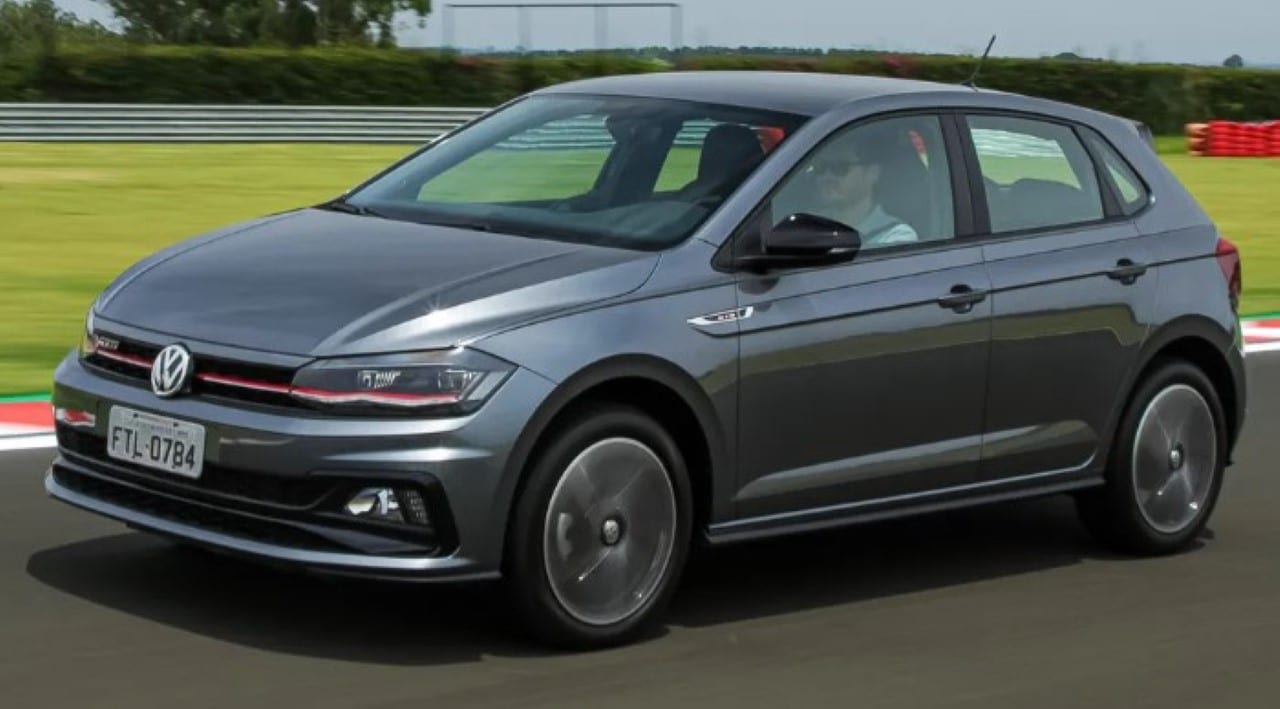
The manufacturer based in Wolfsburg implemented a significant strategic change in the offering of one of its most traditional hatchbacks sold at Península Ibérica. The compact utility’s range was reduced to just four main configurations, named Match, MAS, R-Line and GTI. The commercial decision definitively eliminates the previous finishes, known as Base and Life, with the aim of simplifying the consumer choice process and repositioning the vehicle in the face of increasingly fierce competition on the European continent.
The movement occurs at a time of intense transformation in the automotive sector, where traditional brands face the aggressive arrival of imported models, especially from Asian automakers, which are betting on reduced prices and closed equipment packages. By concentrating production on four well-defined variants, the automaker optimizes its assembly line and reduces logistics costs, allowing it to maintain a competitive edge in the competitive European B segment.

The brand’s sales channels and online configurator have already been updated to receive new orders from Spanish consumers. The technical strategy adopted for this market cycle focuses exclusively on offering combustion engines powered by gasoline, always combined with front-wheel drive. Essa mechanical standardization sets the stage for future platform upgrades, while meeting current demand for efficient, well-maintainable thermal vehicles.
The standard equipment policy also underwent profound changes to justify the new market positioning. Desde the most accessible configuration, the model leaves the factory with a robust safety package, which includes seven airbags distributed throughout the cabin, active lane keeping assistant and automatic emergency braking system with obstacle detection. The connectivity part was standardized with wireless support for the Apple CarPlay and Android Auto systems, in addition to all-LED exterior lighting, raising the technological standard of the compact hatch.
New organization of catalogs and basic equipment
The Match variant takes on the role of gateway to the updated hatch lineup in the Espanha. The basic model was configured to not look like a fleet vehicle, delivering headlights with LED technology, a fully digital instrument panel with an eight-inch screen and a traditional air conditioning system.
To complement daily usability, this initial version also incorporates cruise control with adjustable speed limiter, integrated eCall emergency call system and parking sensors installed in the rear bumper, ensuring safer maneuvering in tight urban environments.
Intermediate Settings Details
The MAS option was designed for consumers looking for a higher level of comfort without reaching the price range of sports models. The exterior gets 16-inch alloy wheels and tinted rear windows.
Inside, the cabin has an internal rearview mirror with automatic anti-dazzle function, avoiding the nuisance caused by the headlights of other vehicles during night driving on highways.
Thermal comfort is improved with the addition of a dual-zone digital climate control system, allowing independent adjustments for driver and passenger. The driver assistance package is expanded with front parking sensors and a high-resolution reversing camera.
Performance and visual appeal in sporty variants
The R-Line configuration was structured to deliver a more aggressive and dynamic aesthetic, inspired by the brand’s high-performance models. The front optical assembly is replaced by advanced Matrix LED headlights, which dynamically adapt the light beam.
The R-Line’s interior environment receives an enlarged digital instrument panel, now measuring 10.25 inches and with greater capacity for customizing information. Access to the vehicle is now via an intelligent in-person key system.
The cabin’s atmosphere is complemented by a configurable ambient lighting system and seats with pronounced side flaps, designed to hold the body in tighter corners. The suspension receives a specific adjustment, with firmer calibration of the shock absorbers.
At the top of the range, the GTI version maintains its tradition of authentic sportiness. The model is equipped with exclusive 18-inch wheels, IQ.LIGHT Matrix LED lighting system as standard, a proprietary aerodynamic kit with redesigned bumpers and a chassis extensively optimized to handle high-speed driving and severe dynamic demands.
Mechanical specifications and lack of electrification
The range of engines was designed to cover different usage profiles, eliminating the need for diesel-powered options or complex hybrid systems. The base of the range is formed by the 1.0 MPI naturally aspirated engine, capable of generating 80 horsepower, focused on fuel economy and strictly urban use, available exclusively in the Match version. Logo above, the automaker offers the 1.0 TSI engine, equipped with a turbocharger, which delivers 95 horsepower and can be coupled to a traditional manual transmission or the DSG automated dual-clutch transmission.
For consumers who demand faster accelerator responses, the catalog offers a superior calibration of the 1.0 TSI engine, reaching 116 horsepower, always associated with the DSG transmission in the most equipped versions. The peak of performance is restricted to the GTI variant, which houses the 2.0 TSI four-cylinder engine under the hood. Este engine develops 207 horsepower, allowing the hatch to accelerate from zero to 100 km/h in just 6.5 seconds, managed by a DSG box calibrated for gear changes in fractions of a second.
Dynamics of values applied to consumers
The price list charged at Spanish dealerships reflects the new reality of production costs in the European automotive industry and the technological load embedded in compact vehicles. The entry-level configuration Match, equipped with the 1.0 MPI engine, has a value set at around 20,370 euros, establishing the new floor for purchasing the model. Quando the consumer opts for the 95 horsepower 1.0 TSI engine in the same version, the initial investment rises to approximately 21,190 euros. The price escalation becomes more pronounced in the higher versions, especially with the addition of the DSG transmission. The R-Line variant, equipped with a 116 horsepower engine, exceeds the 30,000 euro barrier, while the GTI sports car is sold for prices around 37,000 euros, positioning the hatch in a market range that competes for customers with models from higher segments and compact sports utility vehicles.
Positioning against automotive competition
The decision to reduce the catalog to just four options facilitates training of the dealer network and makes the purchasing journey more direct for the end customer. The strategy of maintaining efficient combustion engines and increasing the level of standard equipment from the cheapest version is the manufacturer’s direct response to justify the entry price and maintain the product’s relevance in the face of rivals that rely solely on price wars.
Market strategy and initial acceptance
Maintaining a traditional mechanical architecture, without the additional costs of batteries and electric motors, allows the automaker to invest the development budget in safety and comfort technologies that are noticeable to the driver. Essa progressive distribution of standard items creates clear steps between versions, encouraging consumers to purchase intermediate packages.
Initial records from the dealer network indicate that the simplification of the offer has been well received by the Spanish public. The volume of orders demonstrates that there is still a solid demand for well-equipped compact hatchbacks, ensuring the commercial survival of the current project until the industry defines the next steps for European urban mobility.



