
Intel launches Core Ultra 200S Plus processors with up to 24 cores and prices starting at $199

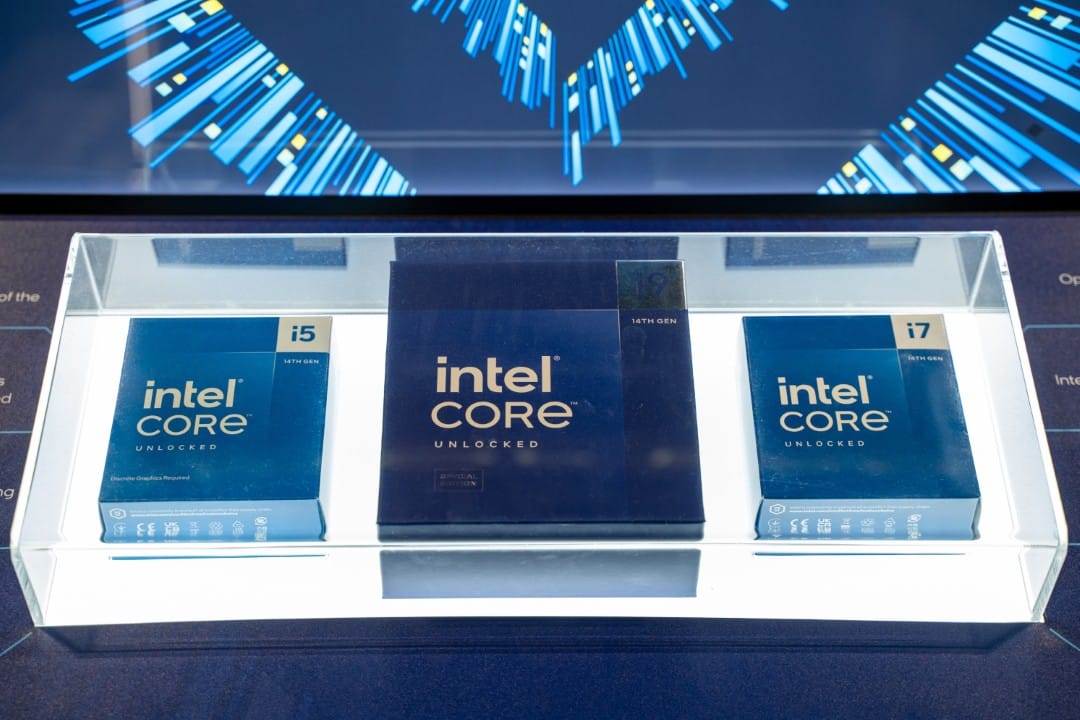
The semiconductor manufacturer authorized the publication of technical analyzes relating to the new line of processors aimed at desktop computers. The recently announced series introduces high-performance models to the hardware market, highlighting options with advanced hybrid architectures. The initial portfolio is headed by the top-of-the-line model equipped with 24 processing cores, accompanied by a robust intermediate version that has 18 physical cores, in addition to the traditional KF series variants, which hit the shelves without the integrated graphics processing unit.
The official schedule establishes that the new electronic components will be available for purchase at international retailers from March 26th. The pricing strategy adopted by the company aims to reach different segments of consumers and computer assemblers. The most powerful model, aimed at enthusiasts and professionals, has a suggested price of $299. The intermediate option, designed to deliver a balanced relationship between cost and performance, hits the market priced at $199.

The silicon designs feature substantial refinements when compared to previous iterations of the Arrow Lake architecture. Entre the main technical modifications implemented by the brand’s engineering, the following stand out:
– Expansão quantitative number of energy efficiency cores on the processor die.
– Elevação of 100 MHz at operating frequencies in boost mode for all cores.
– Atualização of the memory controller to natively support DDR5-7200 modules.
– Aceleração of the internal interconnection fabric, which jumped from 2.1 GHz to 3.0 GHz.
The company also natively activated the proprietary 200S Boost technology on all chips of this generation. The feature works in conjunction with the Intel Binary Optimization Tool tool, accessible through the system’s advanced control panel. Este software applies a deep optimization layer at the binary level, capable of significantly increasing the number of instructions processed per clock cycle, directly benefiting the execution of complex software and heavy graphics engines.
Improved architecture and technical specifications of the new chips
The Core Ultra 7 270K Plus model features an internal configuration divided between 8 performance cores and 16 efficiency cores, resulting in a total of 24 physical cores and 24 simultaneous processing threads. Base operating speeds operate at 3.7 GHz for high-performance drives and 3.2 GHz for efficient drives. In high demand scenarios, clocks reach peaks of 5.4 GHz and 4.7 GHz, respectively, with the possibility of reaching 5.5 GHz on two specific cores through Turbo Boost Max 3.0 technology.
The Core Ultra 5 250K Plus variant delivers a structure composed of 6 performance cores and 12 efficiency cores, totaling 18 cores and 18 threads. Starting frequencies start at 4.2 GHz and 3.5 GHz, scaling to maximums of 5.3 GHz and 4.7 GHz under appropriate thermal and electrical stress. The nominal thermal design of both processors is set at 125 W, with the superior model reaching peak consumption of 250 W, while the 18-core version is limited to 159 W, maintaining full compatibility with LGA 1851 socket motherboards.
Advances in productivity and multi-core testing
Independent tests focused on productivity applications reveal significant leaps in computing capacity. The 24-core model records an average gain of 18% in multitasking workflows when placed side-by-side with its direct predecessor. The 18-core version demonstrates an even more pronounced evolution, advancing 26% compared to the previous generation in the same professional workloads.
On benchmark platforms that require massive parallel processing, the top-of-the-line chip comes close to its direct competitors, remaining just 1.2% behind the AMD Ryzen 9 9950X. The component also outperforms the brand’s own superior model by 7.7% and registers a 21% advantage over the previous iteration. Quando the energy limit is equalized at 105 W, the intermediate option in the new line can deliver 77% more performance than equivalent alternatives on the market.
Single-core performance evaluation demonstrates marginal but consistent gains for the new architecture. The most powerful processor advances 1.4% over the manufacturer’s own premium models and establishes a 10% advantage over direct eight-core competitors. The data confirms that frequency and interconnect optimizations resulted in faster operating system responses and in applications that rely on fast linear instructions.
Thermal behavior and energy consumption under stress
The energy requirements of new components vary drastically depending on the type of software being run. Durante intense three-dimensional rendering processes, the 24-core model demands 25% more electricity than the previous generation. In specific modeling software, this increase in consumption can reach 45%.
Peak electrical supply is reached when encoding high-resolution videos. Testes practical tests demonstrate that the superior chip exceeds the 280 W barrier in moments of maximum stress. The 18-core version, in turn, fully utilizes its 159 W margin in identical media conversion scenarios.
Despite the substantial increase in the amount of watts consumed from the power supply, thermal management presents positive results. Maximum temperatures and average heat dissipation did not increase significantly compared to previous series processors.
Engineering data indicates that the refined package design and better distribution of cores in the silicon allow heat to be transferred more efficiently to cooling systems. Isso ensures that chips maintain their boost frequencies for prolonged periods without suffering speed reduction due to overheating.
Practical performance in graphically demanding games
Digital entertainment performance evaluations were conducted at 720p and 1080p resolutions, an industry-standard methodology for isolating processor capacity and avoiding graphics card bottlenecks. Technical reports indicate that the 24-core model outperforms older premium options on the market by an average of 5% in laboratory tests. In independent analyzes covering 17 different titles, the component proved to be 10% faster than its direct predecessor. Contudo, when facing competing processors equipped with three-dimensional stacked cache technology, the Intel silicon presents a performance deficit that is around 20% in scenarios purely focused on the frame rate per second.
The 18-core variant attracts special attention for its efficiency in running graphics engines. At competitive resolutions, the chip can match or even surpass the performance of high-end processors from previous generations, consuming almost two and a half times less electricity from the socket. Despite this excellent efficiency ratio, the component still finds it difficult to overcome the competition’s specialized options, recording disadvantages that vary between 28% and 38% against chips focused exclusively on maximizing visual fluidity, falling slightly behind even competing options with just six physical cores.
Market positioning and cost per frame ratio
The introduction of these new processors changes the dynamics of pricing and choice in the high-performance desktop segment. The Core Ultra 5 250K Plus model, priced at $199, sets a new level of versatility for users who need a machine capable of handling heavy video editing during the day and gaming at night. Nesta specific price category, the market lacks competing options that offer the same core density and multitasking processing capacity. Embora there are alternatives in the same price range that deliver more frames per second in games, these same options suffer losses of up to 51% in speed when submitted to professional productivity software. On the other hand, the model Core Ultra 7 270K Para the consumer focused strictly on entertainment, the additional investment may not be justified just by the marginal gain in games, requiring a careful analysis of the usage profile before assembling the LGA 1851 platform.
Availability in technology retail
Commercial shipments of the new semiconductors are already in transit to the main global distributors, ensuring their presence on physical and virtual shelves on the stipulated date. The arrival of these components reinforces the current hardware ecosystem, offering system builders new tools to balance stringent budgets with the growing need for computing power in home and corporate environments.




