
Japanese comedy trio Tontsukatan announces end of activities after 14 years of career

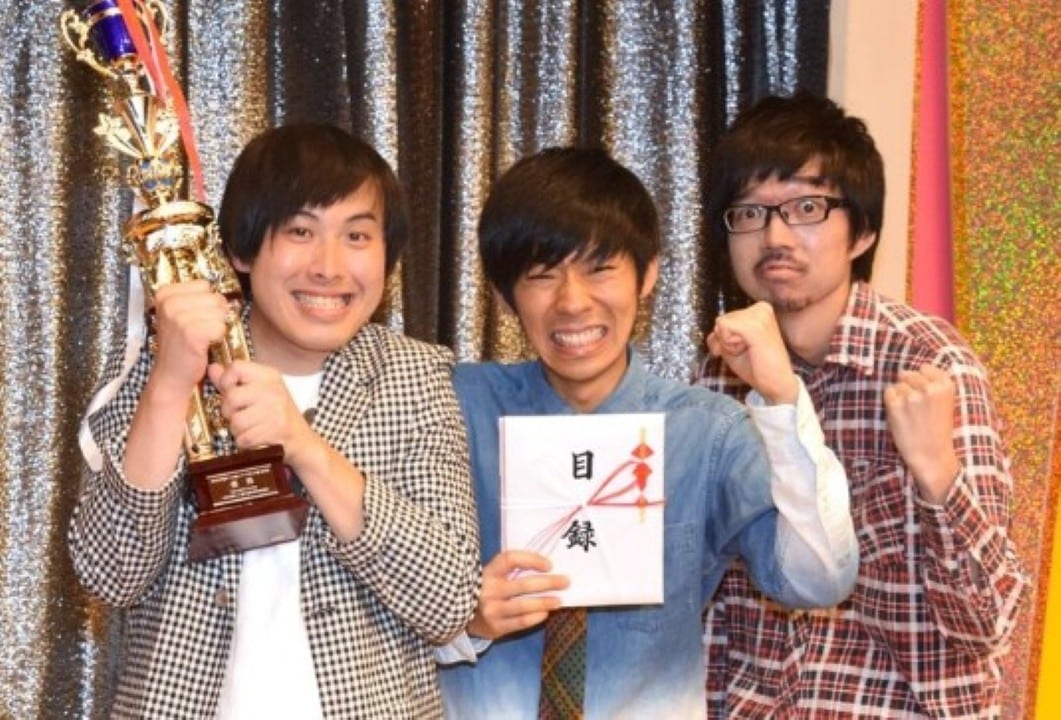
The Asian entertainment scene registered a structural change with the official announcement of the end of the joint activities of the comedy group Tontsukatan. Members Omacha, Shintaro Morimoto and Yu Sakurada decided to follow independent paths after a period of 14 years of continuous work on television and on the theatrical stages of The agency responsible for managing the artists’ careers confirmed the amicable dissolution through a press release, highlighting that all three will maintain their current contracts for the development of solo projects. The decision reflects a common operational transition in the Japanese audiovisual market, where professionals seek new areas of activity after consolidating their names in group formats.
History of formation and rise in the media
Tontsukatan began operations on the live comedy circuit around 2012, focusing on creating short narratives known in the local market as “conte” sketches. The group’s acting style quickly caught the attention of casting producers at regional broadcasters.
The trio’s dynamics were based on the balanced distribution of comedic roles, avoiding the traditional duo structure, which normally divides artists strictly between boke and tsukkomi roles. Essa technical approach allowed the exploration of everyday situations with multiple points of view on stage.
Performances in small concert halls served as a laboratory for refining the script during the first years. Consistency in deliveries guaranteed invitations to audition programs on national broadcasters, expanding the viewer base.
Recognition from specialized critics consolidated the group’s name on the theatrical scene before the definitive transition to the commercial television circuit. The talent agency invested in promoting the trio at seasonal comedy festivals to maximize the brand’s exposure.
Participation in prestigious competitions
Tontsukatan’s visibility increased considerably following their appearances in the King of Conte, one of the most rigorous sketch tournaments on Japanese television. The advancement to the semi-final stages in multiple editions attested to the technical ability of the scriptwriters and actors in adapting the humor to the standards required by the industry’s judges. Consistent performance in these television competitions acts as a seal of technical qualifications that attracts direct sponsors and casting directors looking for new talent for variety shows.
In addition to working together, the members also tested their operational skills in R-1 Grand Prix, a competition aimed exclusively at solo comedian performances. Shintaro Morimoto used this broadcast platform to develop an independent comedic identity, achieving significant results that signaled its potential to sustain a career detached from the trio format. Essas previous experiences on individual stages facilitated logistical planning for the current decision to separate activities.
Dynamics of the Japanese audiovisual market
The Japão broadcasting industry requires a constant renewal of entertainment formats to maintain audience ratings at acceptable commercial levels. The closure of veteran groups opens up space in the programming schedule for the introduction of new talents in the time slots dedicated to humor.
Executive producers monitor these corporate transitions to capture experienced artists and relocate them to panel discussions, radio shows, or reality shows. The technical versatility developed over 14 years makes the former members of Tontsukatan valuable assets for television stations.
The business model of talent agencies prioritizes the financial stability of hired professionals. The peaceful and planned transition of activities demonstrates the level of organization of labor and business relations in the contemporary Asian entertainment sector.
Strategies for developing solo careers
The strategic planning outlined by the agency for the post-Tontsukatan phase involves the immediate diversification of portfolios. Shintaro Morimoto has expanded his presence in digital content creation and radio programs, utilizing his quick communication skills to serve as a main host and guest commentator. Yu Sakurada directs his professional focus to acting in television dramas and film productions, taking advantage of the technical experience acquired in building complex characters during theatrical sketches. Omacha explores opportunities in writing scripts for others and creating original formats aimed at specific media niches. The clear division of areas of activity prevents former groupmates from competing directly for the same spaces in the broadcasters’ programming schedule, optimizing the agency department’s resources in managing their respective recording schedules. The entertainment market easily absorbs former members of comedy groups, as long as professionals present clear and adaptable value propositions to executive producers.
Economic impact and brand management
The dissolution of an established brand in the entertainment sector involves an intellectual asset management process. The name Tontsukatan, built over more than a decade of public appearances, has added commercial value that directly affects the pricing of fees and the negotiation of sponsorship quotas. With the termination of joint activities, the agency’s account executives needed to recalculate the market value of Omacha, Morimoto and Sakurada as individual entities. Esse repositioning requires investment in public relations campaigns to detach the artists’ image from the previous format and present them as independent products to advertisers.
The revenue generated by live performances in comedy theaters represents a portion of the operating revenue of comedy groups. The transition to solo careers changes this financial dynamic, shifting the monetization focus to exclusive contracts with television stations, monetization of digital channels and image licensing agreements. The three comedians’ ability to adapt to this new business model will determine the commercial sustainability of their careers. Especialistas in entertainment economics point out that the diversification of sources of income is the determining factor for artists who leave consolidated formations.
Public response and movement on networks
The announcement of the end of the group’s activities generated a volume of interactions on Asian digital platforms. Consumidores of the traditional sketch format recorded the news, elevating the trio’s name to the most searched topic indexes on discussion forums about pop culture and Japanese television.
Official fan club administrators have started organizing digital support for the new projects of Omacha, Morimoto and Sakurada. The public records highlight the monitoring of the trajectory built over the 14 years and the intention to monitor the performance of the artists in their respective individual journeys.
Continuity of the legacy in humor
Tontsukatan’s collection of recorded presentations will remain available on streaming platforms and official video-on-demand channels managed by the agency. The audiovisual material serves as study documentation for performing arts students and new comedy professionals.
The preservation of the digital catalog guarantees the continuous generation of copyrights for creators and screenwriters. Broadcasters holding broadcasting rights have confirmed that reruns of variety shows will not undergo changes to their established programming schedules.
Restructuring of contracts and agency
The talent agency’s legal department finalized the review of individual service provision contracts, ensuring the maintenance of image rights and the continuity of logistical support for transportation and makeup. Marketing professionals have already started distributing new promotional materials and updated portfolios to broadcasters’ boards.
Next steps on television
The three artists already have professional commitments scheduled for the next fiscal quarter, including participation in retail advertising campaigns and recording pilot episodes for new entertainment formats. The official transition from group activities to individual operations occurs immediately, without interruption in the workflow established by the agency.



