
Manufacturer brakes physical changes to the Galaxy S27 Ultra’s S Pen to ensure the cell phone’s durability

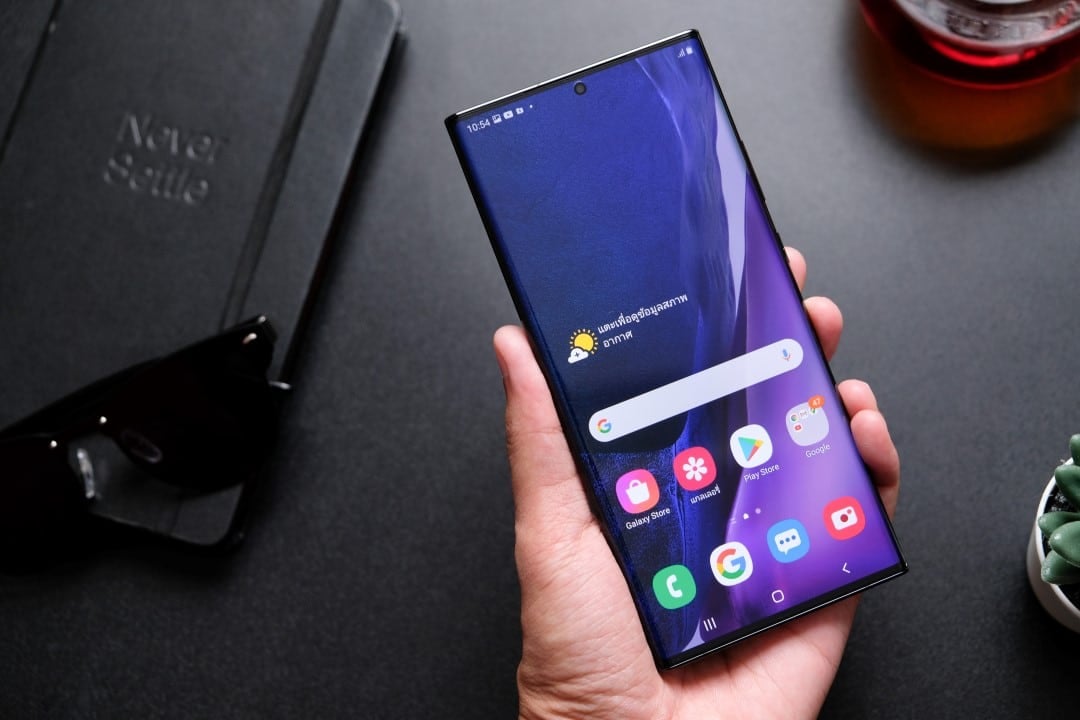
The engineering team at Samsung Electronics has decided to stop developing new physical components for the smart pen that will accompany the next generation of its premium smartphones. The measure directly affects the structural design of the device, which will maintain the hardware specifications already known by the brand’s consumers in the global market.
The main focus of this change in the innovation schedule is to protect the integrity of the titanium chassis and avoid any compromise in battery space. Especialistas from the manufacturer identified that the addition of complex sensors would require drastic modifications to the device’s internal compartment, generating a ripple effect on the industrial design.

Despite the pause in physical updates to the accessory, the product launch calendar remains unchanged. The strategy now directs the development team’s efforts towards optimizing the software and integrating new tools based on real-time data processing and machine learning.
Focus on artificial intelligence replaces hardware changes
With the decision to keep the physical structure unchanged, the South Korean giant is betting on expanding the pen’s capabilities through deep layers of artificial intelligence. The device’s operating system will be updated to recognize complex handwriting patterns and convert simple strokes into advanced digital formats instantly.
This approach allows us to deliver functional innovations to the user without the need to touch the sensitive mechanics of the equipment. Algoritmos of motion prediction will work to reduce latency, anticipating the accessory’s contact with the high-frequency screen and ensuring a considerably more fluid user experience.
Preservation of internal space and battery motivates a change of route
The internal volume of a high-end smartphone represents a constant challenge for industrial designers, where every millimeter is fought for by essential components. Inserting new technologies into the pen would require enlarging the storage compartment, which would directly impact the size of the available power module.
The preservation of the high-density battery is considered vital to support the demands of the new main processor that will power the device. Reduzir the energy capacity to accommodate peripheral functions in the accessory was an alternative quickly discarded by product directors during strategic planning meetings.
Furthermore, increasing the total thickness of the cell phone would harm ergonomics during prolonged daily use. The manufacturer chose to ensure that the current format, already approved by the consumer public, remains intact, prioritizing tactile comfort and energy autonomy over experimental hardware resources.
Engineering tests point to risks of overheating on the screen
During the laboratory testing phase, technical reports indicated that the implementation of new induction coils for faster charging of the accessory generated thermal problems. Excessive heat was concentrated in areas close to the LTPO display, creating a potential risk to the durability of the high-resolution front panel.
Continuous exposure to temperature spikes could cause premature degradation of the screen’s organic pixels. Esse phenomenon often results in permanent stains or the gradual loss of maximum brightness level, compromising the visual quality that characterizes the brand’s premium line in the technology market.
To completely eliminate this risk of hardware failure, the engineering team determined to maintain the current wireless charging system. The already consolidated technology maintains temperatures within a strict safety margin throughout the peripheral’s recharging cycle, protecting adjacent components.
The reliability of the mechanical ejection mechanism also factored into the developers’ final decision. Modificar the shape of the accessory would require redesigning the system of springs and locks, parts that naturally suffer wear over time, increasing the chances of defects on the large-scale assembly line.
Connection stability and water certification are priorities
The structural strength of the chassis was another determining factor in the halt of physical innovations. Including additional electronic components inside the pen compartment would require a wider opening in the phone’s metal structure. Essa structural change would create significant vulnerabilities, reducing the effectiveness of the seal against the ingress of water and dust, in addition to reducing the overall resistance of the device against accidental falls and daily impacts. Guaranteeing IP68 certification is a non-negotiable requirement for devices in this price category, and any change that threatened this protection was vetoed by the company’s quality department.
In parallel to the issue of physical resistance, the stability of wireless communication between the accessory and the cell phone’s motherboard guided the manufacturer’s conservative stance. The scanning technology and pressure levels already established in previous generations offer an extremely stable and interference-free connection via Bluetooth Low Energy. Especialistas from the sector point out that the company prefers to deliver a completely reliable productivity tool rather than risk implementing new functions that could present pairing failures or unexpected disconnections during intense professional use.
Impact on the final value of the smartphone removes biometric sensors
The project’s initial intention included adding disruptive technologies directly to the body of the smart pen, including the possibility of integrating miniature cameras or advanced biometric sensors for user authentication. However, financial and production viability analyzes demonstrated that the cost of developing and miniaturizing these components would drastically increase the smartphone’s final price. In a highly competitive global market, where profit margins and consumer purchasing power dictate the pace of sales, passing on this additional cost would make the product less attractive compared to direct competitors. The manufacturer understood that the line’s loyal audience values the presence of the peripheral for taking notes and drawings, but would hardly accept paying a significantly higher price for niche features that would rarely be used in everyday life. Dessa way, the pricing strategy forced the interruption of these hardware upgrades, ensuring that the device maintains its commercial competitiveness without sacrificing the excellence of the materials used in its standard construction.
Maintaining symmetrical design meets premium market demands
The refined aesthetics of the device continue to be one of the main selling points in the luxury segment, requiring precise cuts and noble materials. Qualquer modification to the accessory that resulted in protrusions on the rear lid or asymmetrical sides was immediately rejected by the design department. The pen will remain perfectly embedded in the lower end of the chassis, preserving the iconic visual identity that conveys solidity and justifies the consumer’s investment.
Global standardization facilitates technical support and mass production
The decision to stabilize the accessory’s physical technology brings direct benefits to the brand’s supply chain and international distribution logistics. By maintaining uniform specifications in all markets where the cell phone will be sold, the company drastically simplifies the management of spare parts and the training of technical support teams.
This uniformity also allows third-party manufacturers of protective cases and peripherals to plan their products with greater advance and precision. Aligning market expectations ensures that the ecosystem around the smartphone is mature and ready to serve corporate users from the first day of official sales.
Software integration expands everyday functionality
The absence of new physical sensors will be compensated by updates to the operating system focused on the user’s productivity routine. Key additions based on advanced programming encompass practical features that do not require chassis modifications.
– Algoritmos movement prediction that intelligently anticipates the line on the screen.
– Sincronização automatic handwritten notes with time management apps and calendars.
– Simultaneous Tradução activated instantly by bringing the tip of the accessory closer to the foreign text.



