
South Korean scientists develop ultra-thin film that charges smartwatches using human body heat

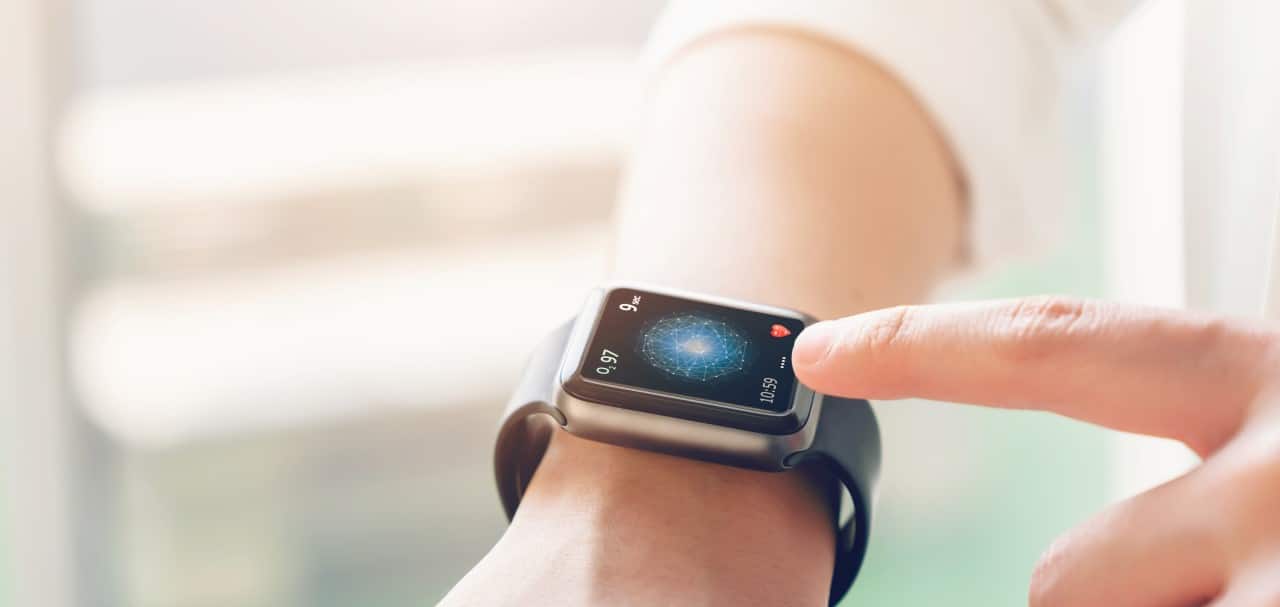
Researchers from Universidade Nacional of Ciência and Tecnologia of Ulsan presented a thermoelectric material capable of transforming the temperature difference between human skin and the environment into continuous electricity. The scientific breakthrough eliminates the need for traditional batteries in wearable devices and paves the way for a new generation of self-sufficient electronics.
The innovation is based on the Seebeck effect, applied to ultra-thin films that adapt perfectly to the anatomy of the user’s wrist. Essa adaptation guarantees a stable contact that optimizes the capture of residual heat generated by the body during daily activities, converting the dissipated thermal energy into useful load for tiny processors.
The South Korean development solves long-standing rigidity problems found in previous generations of thermoelectric generators. The new flat structure forces directional heat flow, increasing energy conversion efficiency even in absolute rest conditions, ensuring that the device remains active during the user’s sleep.
Thermal to electricity conversion mechanism
The operating principle of the new component completely eliminates the use of moving parts or complex chemical reactions to generate charge. One side of the material remains in direct contact with the epidermis, absorbing natural heat that varies between 32 and 37 degrees Celsius, while the opposite side is exposed to the temperature of the external air. Essa thermal asymmetry creates an immediate electrical voltage that is directed to the equipment’s low-power circuits, maintaining the uninterrupted operation of health sensors, data transmitters and the monochrome or color digital display.
The engineering team responsible for the project managed to drastically reduce the thickness of the film, providing superior flexibility that follows the natural movements of the human joint without suffering microcracks. Testes Rigorous laboratories have proven that the material’s performance remains highly stable, regardless of whether the user is exercising intensely outdoors or working in an air-conditioned office. The system architecture also provides for the possibility of integration with small solar collection panels, creating a hybrid energy supply ecosystem that maximizes energy availability in any everyday scenario.
Material architecture and anatomical adaptation
The chemical composition of the thermoelectric films has been adjusted to maximize heat transfer without causing thermal discomfort or skin irritation to the user. Camadas microscopic protectors isolate the conductive components, ensuring safety against the acidity of sweat and external humidity.
The flat design makes it easy to embed directly into the case back of smartwatches or along the internal structure of smart bracelets. Essa versatility allows electronics manufacturers to maintain the modern, thin and light aesthetic of today’s devices without compromising industrial design.
Eliminating bulky compartments for lithium-ion batteries frees up extremely valuable internal space on circuit boards. Engenheiros can use this extra area to add new high-precision biometric sensors or simply reduce the total weight of the accessory on the wrist.
The continuous adherence of the film to the skin prevents efficiency losses caused by air pockets, a common technical problem in rigid prototypes tested in the past. Optimized contact guarantees linear and predictable energy production throughout all hours of the day.
Benefits for the environment and waste reduction
Replacing rechargeable batteries with passive energy sources directly addresses the growing global problem of electronic waste. Milhões of wearable devices are discarded annually in landfills due to the end of life of their internal charge storage components.
Inadequate disposal of heavy metals and chemical compounds present in conventional batteries irreversibly contaminates the soil and groundwater. The large-scale adoption of thermoelectric generators can severely mitigate this environmental liability generated by the rapid obsolescence of the consumer technology industry.
The new paradigm of energy self-sufficiency extends the durability of devices, integrating the smart accessories sector into the fundamental principles of the circular economy. Consumidores gain more durable products and the production chain reduces its dependence on the predatory mining of essential minerals.
Obstacles in generating energy in hot climates
The efficiency of the thermoelectric system depends directly on the temperature difference between the body and the environment, which imposes physical limitations on days of extreme heat. Quando the air temperature approaches 36 degrees Celsius, the generation of electrical voltage suffers a temporary drop, requiring the internal circuits to operate in maximum energy saving mode.
To overcome this climate barrier, researchers develop energy management algorithms that store the surplus produced at night or in refrigerated environments in microcapacitors. The material’s durability against prolonged exposure to ultraviolet rays and extreme salinity from sweat also undergoes rigorous evaluations of accelerated stress in climatic chambers.
Expansion into medical monitoring equipment
The technology goes beyond the traditional consumer market and attracts the attention of developers of hospital equipment and continuous-use health sensors. Monitores non-invasive glucose and cardiac arrhythmia trackers could work indefinitely, eliminating the risk of overnight shutdowns due to lack of charge.
Patients with reduced mobility or those undergoing intensive home treatment would benefit most from the absence of cables and external power sources that limit movement. The reliability of a system that extracts energy from the patient’s own heat represents a qualitative leap in telemedicine and remote monitoring of chronic diseases.
Transformation in the smart accessories industry
The main electronics assemblers in the Asian and North American markets are already monitoring the results obtained by the South Korean university with the aim of licensing the patent for future commercial assembly lines. The promise of a smartwatch that never needs to be plugged into an outlet completely changes the marketing dynamics and consumer expectations, who currently consider battery life to be the main purchasing decision factor in retail stores. The transition from the laboratory environment to commercial shelves will require adaptations to mass production lines, but thermoelectric film’s compatibility with existing semiconductor manufacturing processes considerably accelerates this industrial timeline. Analistas of the market point out that the first hybrid models, combining tiny emergency batteries with constant thermal capture, should establish a new standard of technological excellence, forcing all global competition to abandon designs dependent on daily recharges and invest heavily in clean energy harvesting solutions, invisible and fully integrated into the human body.
Validation of prototypes in everyday scenarios
The practical tests conducted by the scientists involved dozens of volunteers using the thermal sensors in real routines that alternated between office work, periods of deep sleep and running outdoors. The telemetry data collected confirmed that the electrical voltage generated by the pulse is perfectly sufficient to keep e-paper technology displays and data transmitters via Bluetooth operating continuously and without any communication signal interruption.




