
Tension in the Middle East drives the price of gasoline in the United States to almost US$4 per gallon

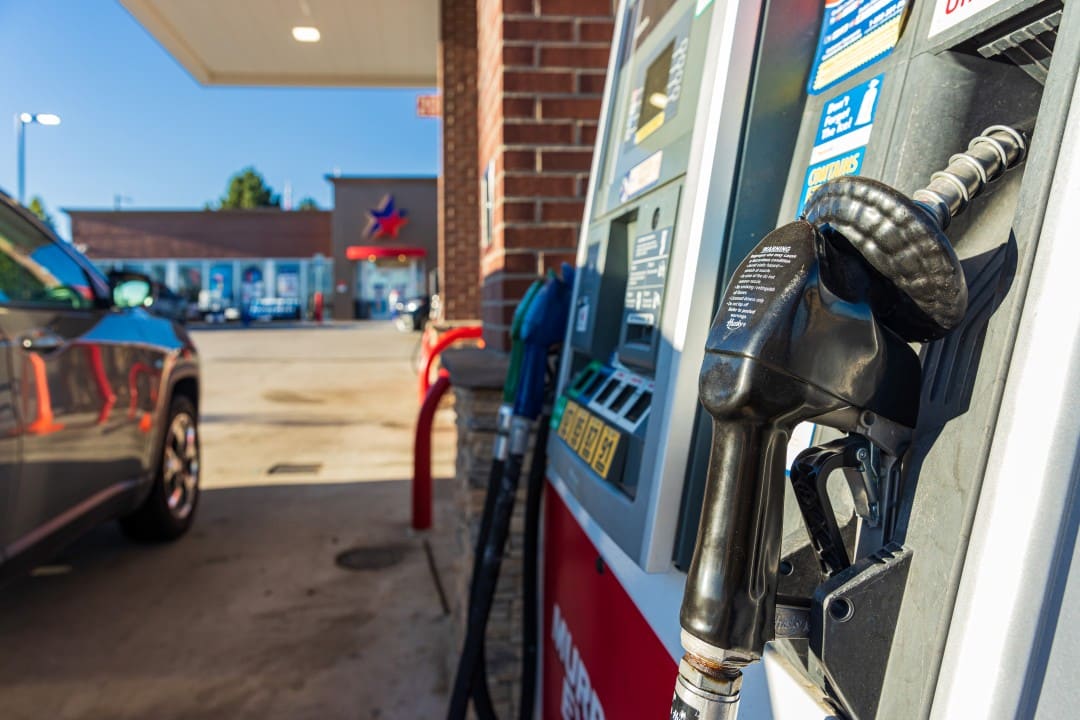
North American drivers face steeply escalating fueling costs, driven by geopolitical conflicts that directly affect global oil distribution. The average value of fuel at the pumps is quickly approaching a critical mark, generating warnings about the immediate impact on family budgets and the operating costs of cargo transport companies.
Instability in producing regions interrupts essential maritime routes and creates an environment of constant uncertainty in the financial market. Investidores and analysts monitor daily fluctuations in the barrel of crude oil, which immediately reflects any change in the international diplomatic or military scenario, putting pressure on the supply chain.
The transfer of these costs to the end consumer occurs quickly, affecting several production sectors. The main factors supporting this increase include logistical constraints and the increase in the risk premium in global trading.
– Redução in the immediate supply of barrels of oil on the international market.
– Aumento of insurance rates for oil tankers in risk areas.
– Especulação financial on the prolonged duration of hostilities.
– Demanda internal heated in Estados Unidos during periods of greater displacement.
Direct impact on pumps and the reaction of the domestic market
The amount charged at gas stations reflects an increase of almost 35% in a short period, putting pressure on the population’s purchasing power. In several states, the symbolic limit of four dollars has already been exceeded, changing the routine of traveling workers and making the logistics of distributing basic goods throughout the country more expensive.
The internal pricing dynamics respond not only to the value of the barrel type Brent, but also to refining and distribution bottlenecks within the country. Quando crude oil suffers sudden variations abroad, refineries pass on additional operating costs, resulting in a cascade effect that affects everything from app drivers to large interstate transport fleets. Esse scenario requires quick adaptations on the part of consumers, who seek alternatives to minimize the financial impact.
Experts in the energy sector point out that current volatility has specific characteristics that make short-term stabilization difficult. The main consequences observed in the internal market include:
– Redução of non-essential fuel consumption by families.
– Busca by alternative routes and logistics optimization by freight companies.
– Pressão on inflation rates, with a direct impact on food prices.
– Aumento of the demand for vehicles with greater energy efficiency.
Crude Oil Fluctuations
The global oil benchmark index Brent shows significant daily variations, operating above the hundred dollar mark per barrel. Essa price demonstrates the extreme sensitivity of investors to any development on the international scene, where rumors about diplomatic negotiations cause momentary drops, quickly reversed by official denials from the parties involved.
The absence of a clear resolution to conflicts keeps the risk premium high in commodity trading. Mesmo with stabilization attempts by allied producing countries, global supply remains restricted, ensuring that the barrel negotiation floor remains at historically high levels and putting pressure on refineries.
The weight of diesel in the production chain
In addition to gasoline, diesel oil records even more significant percentage increases, surpassing the five-dollar-per-gallon mark. Este fuel is the backbone of the physical economy, being essential for the operation of trucks, agricultural machinery and heavy construction equipment.
The increase in diesel prices directly affects the cost of road freight, which is the main mode of freight transport in the country. Produtos Agricultural goods, consumer goods and industrial materials undergo automatic readjustments to absorb the increase in transport, spreading inflation throughout the supply chain in a generalized way.
Rural producers face squeezed profit margins as the cost of operating harvesters and tractors significantly increases harvest expenses. Esse increase in agricultural production costs inevitably reaches supermarket shelves, making the basic food basket more expensive for ordinary citizens and reducing families’ consumption margin.
Alerts from global institutions
International organizations that monitor the energy market classify the current situation as a severe threat to global economic stability. The prolonged interruption in the supply of petroleum derivatives has the potential to slow the growth of industrialized and emerging nations, altering development projections.
The interconnectedness of modern economies means that a supply shock in Oriente Médio reverberates instantly in the industrial hubs of Ásia, Europa and Américas. The continued dependence on fossil fuels to maintain global economic activity exposes the structural vulnerability of the production system in the face of armed conflicts.
Comparisons with energy crises from past decades illustrate the gravity of the current moment. Choques of previous prices have resulted in prolonged periods of economic stagnation accompanied by high inflation, a scenario that central banks try to avoid at all costs through tight monetary policies and interest rate adjustments.
The need to diversify the energy matrix is gaining urgency in international debates. Governos are pressured to accelerate investments in renewable sources and sustainable transportation infrastructure as a way to mitigate future risks associated with dependence on imported oil and ensure national energy security.
Price retrospective and historical records
The values recorded at fuel pumps currently represent the highest levels observed in recent years, surpassing previous peaks that had already caused economic discomfort. Antes the worsening of geopolitical tensions, the national average remained at a level considered manageable for most family budgets, allowing for more stable financial planning. The rapid transition from a scenario of moderate prices to record costs took many sectors by surprise, requiring emergency budget reviews in companies.
The recent memory of periods with expensive fuel reinforces the perception of loss of purchasing power among workers. Spending on transportation takes up an increasing share of monthly income, limiting the consumption of other essential goods and services. Essa retração no consumo geral atua como um freio na economia doméstica, prejudicando o comércio varejista e o setor de serviços, que dependem da renda disponível das famílias para manter o ritmo de contratações e investimentos estruturais.
Challenges for public administration
Rising energy costs pose a complex challenge for public policy makers, who need to balance popular dissatisfaction with the limitations of intervention in a globalized market. The release of strategic oil reserves is a tool frequently used to try to contain short-term price spikes, but its effectiveness is limited and does not solve structural supply problems. Paralelamente, the increase in fuel tax collection in some jurisdictions generates debates about the possibility of temporary exemptions to ease the burden on the consumer. However, tax cuts affect the financing of road infrastructure and mobility projects, creating a fiscal dilemma for state and federal governments. Political pressure intensifies as inflation erodes wages, requiring quick and effective responses that demonstrate control over the economic situation, without compromising long-term fiscal goals and institutional stability.
Stabilization prospects
The reestablishment of normality in fuel prices depends fundamentally on a de-escalation in international tensions and the resumption of the regular flow of oil exports. Até As long as the diplomatic scenario shows concrete signs of resolution, the market will continue to operate with high volatility, requiring resilience and continuous adaptation from all economic agents involved in the supply chain.



