
Volkswagen automaker reduces Polo catalog in Spain with an initial value of 20 thousand euros in the European market

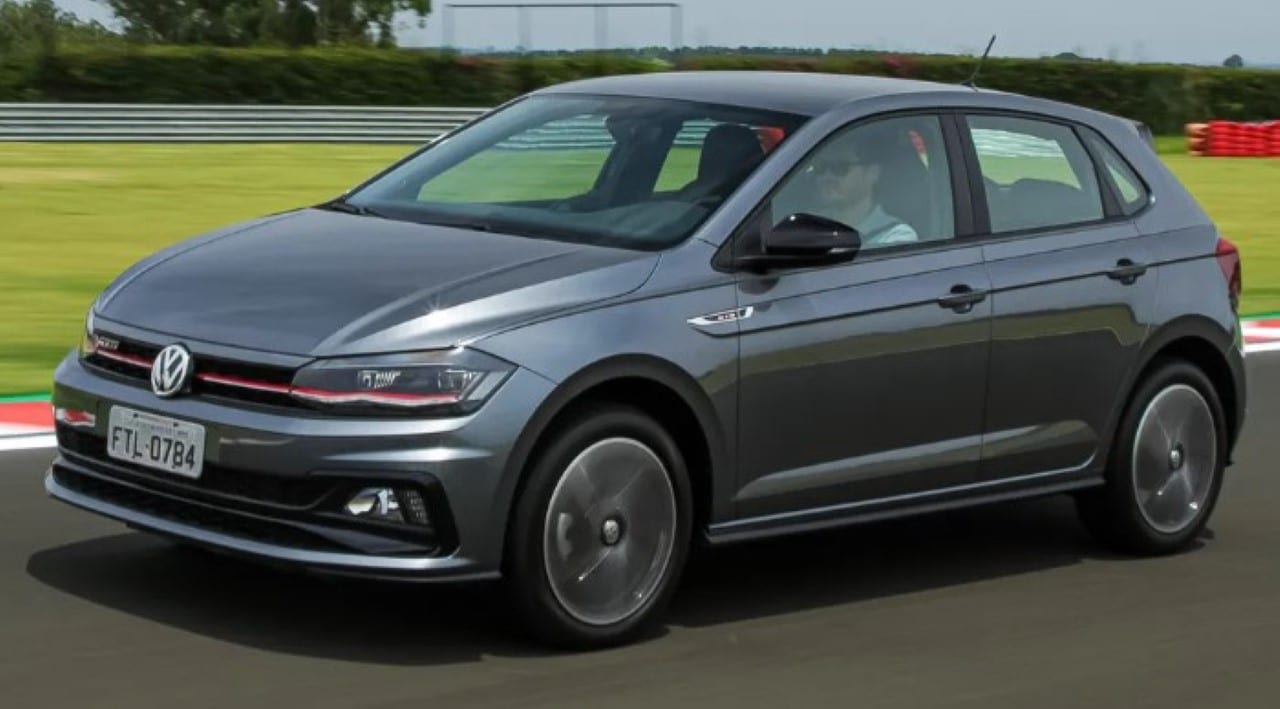
The car manufacturer based in Wolfsburg has implemented a substantial change in the offer of one of its most traditional hatchbacks sold in Spain. The change aims to optimize the production line and facilitate the European consumer’s purchasing journey, delivering more defined packages with greater added value from the cheapest versions.
The downsizing of the compact utility portfolio restricts configuration alternatives to four main catalogs. Previous nomenclatures were eliminated to reposition the vehicle in a segment highly contested by Asian and European automakers, ensuring robust commercial survival for the current project.

The new version architecture now consists of the following options available at dealerships:
– Configuração Match as input model.
– Catálogo BUT with a focus on comfort and technology.
– Versão R-Line with sporty aesthetic appeal.
– Variante GTI focused on high performance.
The brand’s digital configurator has already undergone updates to receive new orders from interested customers. Starting prices are around 20 thousand euros for the basic configuration, establishing a more robust equipment package at the most affordable price possible within the current economic reality of the region.
Financial repositioning and initial equipment packages
The price list established for the Spanish market reflects the repositioning of the vehicle compared to direct competitors in the B segment. The acquisition of the Match version, equipped with the 1.0 MPI engine, requires a disbursement of approximately 20,370 euros, a value that acts as a competitive basis for the model given the level of equipment offered. The transition to the 95 horsepower turbo engine in the same body increases the starting price to around 21,190 euros, delivering more agility for daily use.
The MAS catalog raises the comfort level by adding 16-inch alloy wheels and tinted rear windows. The package also includes an internal rear-view mirror with automatic anti-glare function, dual-zone digital air conditioning and a rear-view camera to assist with maneuvering in confined spaces. Standard items present in these initial configurations include:
– Faróis with high-efficiency LED technology.
– Painel digital instruments with eight-inch screen.
– Controle cruise integrated with speed limiter.
– Ar-manual conditioning in access version.
Embedded technology and standardized security items
The manufacturer prioritized the addition of essential safety and connectivity elements in all variants available on the Spanish market. The factory package includes seven airbags distributed throughout the cabin, active lane keeping assistant and an autonomous emergency braking system to mitigate frontal collisions.
The infotainment system has received updates to ensure greater integration with modern mobile devices. The multimedia center offers completely wireless support for the Apple CarPlay and Android Auto platforms, eliminating the need for cables in the center console, while the eCall emergency call function reinforces occupant protection.
Mechanical options focused on thermal combustion
The range of powertrains completely abandons hybrid or diesel-powered systems, concentrating their efforts on the thermal efficiency of gasoline. The tamest option is the 1.0 MPI aspirated engine, capable of generating 80 horsepower, designed primarily for use in daily urban traffic.
The next step is formed by the 1.0 TSI block, equipped with a turbocharger and direct fuel injection. Esta power unit delivers 95 horsepower and can be coupled to a five-speed manual transmission or the DSG dual-clutch automated transmission, depending on the buyer’s choice.
A superior calibration of this same 1.0 TSI engine increases power to 116 horsepower, ensuring more agile responses on highways and overtaking. Esta mechanical configuration works exclusively in conjunction with the DSG gearbox in the mid and higher trim versions.
Superior performance in sports versions
For consumers looking for a more aggressive aesthetic, the R-Line version delivers a dynamic look with exclusive bumpers and specific aerodynamic details. The interior houses seats with pronounced side flaps, configurable ambient lighting and a keyless vehicle opening system.
The digital instrument cluster in this sporty configuration is enlarged to 10.25 inches, providing detailed driving information. The adoption of the DSG automated exchange rate and the choice of this catalog significantly alter the financial level of the product, surpassing the 30 thousand euros barrier.
The top-of-the-line GTI variant maintains the tradition of high performance with an optimized chassis and rigorously calibrated suspension. The model sports 18-inch alloy wheels, headlights with IQ.LIGHT Matrix LED technology and a set of specific deflectors to improve airflow at high speeds.
The high-performance mechanical package is restricted to this legendary GTI acronym. The 2.0 TSI four-cylinder engine develops 207 horsepower, allowing the hatch to accelerate from zero to 100 km/h in just 6.5 seconds, always managed by the sports-calibrated automated transmission.
Driving dynamics and automotive engineering
The automotive engineering applied in the development of this generation of the hatch guarantees dynamic behavior praised by sector experts. The modular platform used as a structural base provides high torsional rigidity, a characteristic that translates into greater directional stability on highways and precise response to steering wheel commands on winding roads. The independent front suspension and rear torsion axle receive specific calibrations for each version, prioritizing comfort in absorbing impacts in entry-level models and the firmness necessary to contain body roll in variants with a sporty appeal. Special attention was directed to nighttime visibility with the democratization of light-emitting diode headlights across the entire range sold, raising the vehicle’s active safety standard in low light conditions or severe weather conditions.
Industrial adaptation and efficiency on the assembly line
The factory responsible for assembling the vehicle needed to adapt its logistical processes to the new distribution of parts and components. The reduction in complexity in the production line, generated by the elimination of dozens of optional combinations, speeds up the assembly time of each unit.
This simplification also reduces the margin of error when inserting wiring harnesses and electronic modules. Factory efficiency acts as one of the pillars that support the automaker’s ability to maintain prices at a competitive level, even in the face of global raw materials inflation that affects the automotive sector.
Commercial strategy in the face of Asian competition
The decision to streamline the portfolio meets an urgent need for industrial simplification and commercial clarity at a time of strong pressure from imported brands. The advance of Asian automakers, which often offer closed equipment packages at aggressive prices, forced the European manufacturer to review its policy of free options, packaging the most desired items in just four different nomenclatures to facilitate inventory management in the dealer network and reduce the waiting time for the car to be delivered to the end customer.



