
Ancelotti’s Brazilian team challenges France in a friendly at Gillette Stadium this Thursday

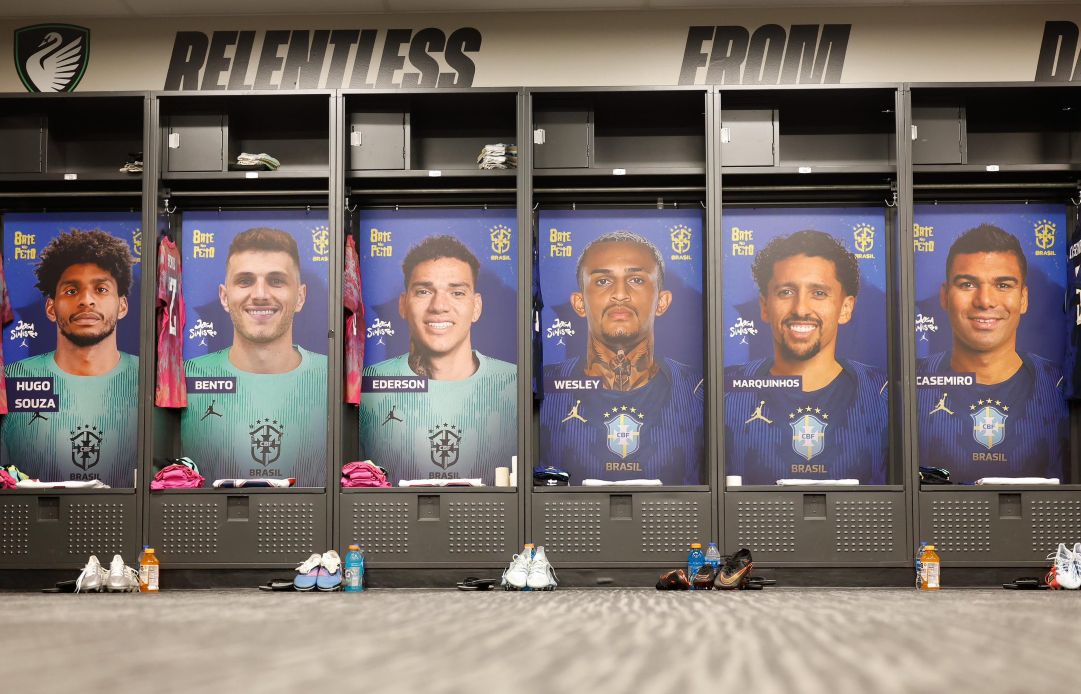
The Brazilian delegation takes the field this Thursday afternoon, March 26, 2026, for a high-level confrontation on the global sporting scene. The opponent this time is the French team, in a match scheduled to take place at Gillette Stadium, located in the city of Foxborough, in the state of Massachusetts. The kick-off is scheduled for 17:00, considering the local time zone of Estados Unidos.
The duel pits two traditional powers face to face, seeking to adjust their tactical formations for upcoming official commitments. The group led by coach Carlo Ancelotti uses the meeting to test new pieces and consolidate the game plan against an opponent who is among the best in the world.
On the other hand, the European team arrives with a star-studded squad and the mission of maintaining the high performance shown in recent seasons. The clash attracts the attention of fans and sports analysts, serving as an accurate thermometer to assess the preparation stage of both technical committees.
Broadcast options for national audiences
Spectators who follow the sport will have multiple alternatives to watch the confrontation live directly from Brazilian territory. TV Globo holds the exhibition rights and transmits the signal on an open network, guaranteeing free access to millions of homes in all regions of the country.
For those who prefer pay television, channel Sportv provides extended coverage, with debates and tactical analyzes before the ball rolls. In the digital environment, the Globoplay and GETV platforms provide high definition streaming, allowing the public to follow the bids through mobile devices or computers connected to the internet.
Tactical formation and starters of the South American team
The Brazilian technical committee defined the team’s structure based on the 4-2-3-1 system, aiming to neutralize the speed of the opposing wingers. Goalkeeper Ederson assumes the starting position in goal, protected by a defensive line made up of full-backs Wesley and
The midfield sector is led by Casemiro, who works in containment alongside the young Andrey Santos, responsible for qualifying the ball. Mais at the front, the playmaking line features Raphinha, Matheus Cunha and Gabriel Martinelli, a trio responsible for creating opportunities and providing the offensive sector with deep passes.
In command of the attack, Vinícius Júnior acts as the main reference, exploiting his dribbling and infiltration ability. The choice for this formation reflects the intention of maintaining possession of the ball in the attacking field, forcing the European marking line to retreat during the ninety minutes.
Defensive and offensive structure of the European team
Coach Didier Deschamps also bets on a 4-2-3-1 tactical formation for the match on North American soil. The French goal is under the responsibility of Mike Maignan, one of the highlights of the position in recent international football.
The defense is formed by Malo Gusto, Ibrahima Konaté, Dayot Upamecano and Theo Hernández, a quartet recognized for its physical imposition and efficiency in aerial plays. Essa solidity at the rear allows the full-backs to advance safely to support offensive actions through the corridors.
In the center of the pitch, Aurélien Tchouaméni and Adrien Rabiot form the midfielder duo, balancing defense protection with quick distribution of passes. The creation of plays passes through the feet of Ousmane Dembélé, Rayan Cherki and Michael Olise, who have freedom of movement to confuse the marking.
Kylian Mbappé acts as the most advanced man, centralizing the attention of the rival defense due to his finishing power. The French strategy consists of attracting the opponent into their own half and exploiting the spaces left behind the defenders with high-speed transitions.
Medical absences change commission planning
The two delegations are dealing with significant losses in their original squads due to physical problems reported in club competitions. The Brazilian medical department vetoed the participation of Rodrygo, who is recovering from a complex injury to the anterior cruciate ligament, in addition to Bruno Guimarães, The defense also suffered forced changes due to the absences of Marquinhos and Gabriel Magalhães, while the attacker Estêvão, John Victor and
The clinical situation of the opposing team also required last-minute adaptations by Didier Deschamps. Full-back Jules Koundé remains out of action due to an injury to the back of his thigh, and Bradley Barcola is undergoing treatment for a sprained ankle. The situation of William Saliba and
Turf conditions and designated referee team
The stage for the confrontation, Gillette Stadium, offers an excellent infrastructure with a pitch maintained under strict quality standards, which directly favors the style of play based on the quick exchange of low passes. The arena, traditionally used for large sporting events, has the capacity to receive tens of thousands of spectators, and the organization reports a high demand for tickets since the event was confirmed. Para to conduct the match, the organizing entity appointed referee The field refereeing team receives full support from video review technology, ensuring accuracy in marking capital moves within the area and in possible infractions that precede the scoring of goals.
Updated positions in the ranking of world teams
The clash takes on the form of technical rivalry due to the teams’ position in the global classification of football’s highest entity. The South American team occupies fifth place in the table, while the Europeans maintain third place overall, which turns the friendly into a direct opportunity to add relevant points and demonstrate technical superiority against a direct competitor for the top positions.
Dynamics of training in North American territory
The preparation phase required an intense schedule of activities to accelerate the athletes’ adaptation to the climate and time zone of the Estados Unidos east coast. The work led by Carlo Ancelotti prioritized the compaction of defensive lines and precision in passes under pressure, simulating high marking scenarios that are usually applied by European opponents.
On the French side, the training camp sessions focused on improving finishing and the interaction between the midfielders and the attacking sector. The technical committee paid special attention to the players’ physical recovery, monitoring fatigue levels after long intercontinental trips to avoid new muscle injuries on the eve of the clash.
Market movement and presence of observers
Holding an event of this size in the Estados Unidos attracts not only local fans, but also an extensive network of professionals linked to the sport’s transfer market. Olheiros from various clubs from across the European continent are present in the stands of the stadium in Foxborough with the aim of evaluating the individual performance of young promises and consolidated athletes who play for both teams.
For players looking to establish their place in future squads, the friendly represents a highly visible showcase. Performance in matches against opponents at the top of the world rankings is usually a decisive criterion for technical committees when defining the groups that will compete in the next official tournaments, raising the level of competitiveness even in a non-eliminatory game.
Flexibility in rules and management of physical exhaustion
The specific regulations for international friendly matches allow for an increased limit of substitutions during the ninety minutes. Esta rule gives coaches the necessary freedom to modify the team’s tactical structure and observe the behavior of athletes who started the confrontation on the bench.
The strategic use of exchanges is essential to manage the physical wear and tear of the squad, especially in a period of the calendar where players accumulate a high number of minutes for their respective clubs. Physiology departments monitor performance data in real time, guiding commanders on the ideal time to make changes.
With the entry of new players in the complementary stage, the dynamics of the match tend to vary in rhythm and intensity. The ability to quickly adapt to new formations on the field often defines the control of offensive actions and the final result of the clash between the two sporting powers.



