
Apple expands computer lineup with four new MacBooks focused on performance and OLED screens

The Cupertino-based technology giant is preparing a massive overhaul of its portable computer lineup, with the scheduled launch of four distinct notebook models. The strategy aims to cover everything from the entry-level educational sector to the very high-performance workstations used by audiovisual professionals. The movement represents one of the largest simultaneous portfolio expansions ever carried out by the manufacturer in a single cycle of hardware updates.
Strategic planning involves the introduction of new silicon architectures, marking the transition to the next generation of in-house developed processors. The diversification of prices and technical specifications indicates a clear attempt to capture market shares currently dominated by devices based on competing operating systems. The integration of previously exclusive smartphone components into entry-level computers demonstrates aggressive supply chain optimization.
Significant innovations in display technologies also form the core of this portfolio refresh. The transition from traditional panels to organic light-emitting technologies promises to fundamentally change the physical design of devices, enabling reduced thicknesses and superior energy efficiency. The introduction of touch interfaces directly on the screens of professional notebooks breaks a long-standing paradigm held by the brand’s engineering team.
The launch schedule foresees a strategic distribution throughout the quarters, avoiding cannibalization of sales between the models themselves. Rigorous segmentation ensures that each device caters to a specific consumer profile, from students needing basic productivity tools to film studios demanding real-time rendering of complex graphics.
| モデル | メインチップ | 画面 | 推定開始価格 (米ドル) | 主な対象者 |
|---|---|---|---|---|
| 低価格MacBook | A18プロ | 13インチ液晶 | 699-899 | 学生と基本的な使い方 |
| MacBook Air | M5 | 13 インチまたは 15 インチ | 999 | プレミアムモバイルユーザー |
| 標準MacBook Pro | M5 プロ/マックス | 14 インチまたは 16 インチのミニ LED | 1999-3499 | 中級者向け |
| MacBook Pro OLED | M6(予定) | 14ンチまたは 16インチのタッチ OLED | 非開示 | 一流のクリエイター |
Aggressive strategy in the educational market with an accessible model
The development of a notebook focused exclusively on cost-benefit represents a direct response to the growth of low-cost devices in school environments. Este equipment will use the A18 Pro processor, the same high-performance chip integrated into the brand’s most advanced smartphones, ensuring fluidity in web browsing and document editing tasks.
To achieve a competitive price level, engineering chose to replace the traditional aluminum chassis with a resistant polycarbonate structure. The 13-inch screen will use standard LCD technology, maintaining the visual quality necessary for studies without inflating the panel’s production costs.
Connectivity options will be adapted for this specific segment, with the replacement of very high-speed ports with conventional USB-C connections. Esta technical decision reduces licensing and hardware controller costs, while maintaining compatibility with the vast majority of modern peripherals used by students.
Market positioning suggests a retail value close to $899, making it the most affordable portable computer in the current lineup. The offer of vibrant colors, including shades of blue, pink, yellow and the classic silver, aims to attract the young public and visually differentiate the educational line from equipment aimed at the corporate environment.
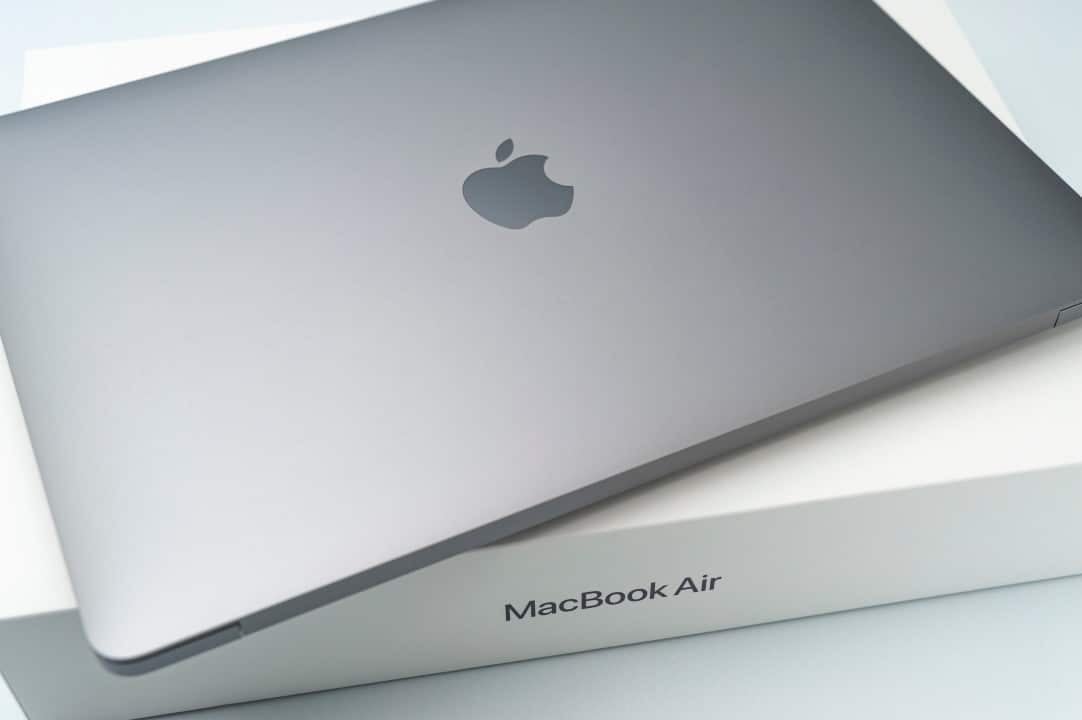
Performance update on the Air line with new processors
The ultra-thin notebook category will receive the new generation of M5 processors in the first quarter, bringing quantitative leaps in processing capacity. Technical data points to a 12 to 15% increase in the speed of the central processing unit compared to the previous generation, while graphics processing will register a significant gain of up to 36%, directly benefiting the execution of casual games and the editing of high-resolution photographs.
The thermal architecture of the device will remain true to the fanless design, operating completely silently even under maximum workload. The optimization of energy consumption in the new chip will guarantee the maintenance of prolonged battery life, a fundamental characteristic of this category, maintaining the base price in the range of 999 dollars for the entry-level model.



Extreme power for professionals with the Pro and Max variants
The 14-inch and 16-inch mobile workstations will undergo a deep internal revamp with the adoption of the M5 Pro and M5 Max chips. The manufacturing of these semiconductors uses the latest generation 3 nanometer process, allowing a massive number of transistors to be allocated in a reduced physical space, which translates into greater speed and less heat dissipation.
Internal storage will receive updated controllers, resulting in substantially faster read and write rates, essential for handling raw video files. Unified memory bandwidth will also be expanded, eliminating communication bottlenecks between the main processor and graphics core during complex rendering.
The price structure reflects the strictly professional orientation of these devices, with the 14-inch model starting at $1,999 and the 16-inch version reaching $3,499 in its base configurations. The robust external design will be maintained, preserving the wide range of connection ports required by content producers and software engineers.
Visual revolution through the implementation of advanced dashboards
A tectonic shift in the hardware interface will occur in the second half of the year with the introduction of OLED panels in the most expensive versions of professional notebooks. Organic light-emitting diode technology eliminates the need for backlighting, allowing each pixel to be turned off individually, which generates absolute blacks and infinite contrast, vital features for color correction and photo editing professionals. Além of visual superiority, removing the backlight layer dramatically reduces the thickness and weight of the display assembly. Acompanhando this evolution of the display, the manufacturer will integrate native support for touches on the screen, a feature that has long been requested by the corporate market and which required a profound rewrite of the operating system interfaces to accommodate tactile interactions without compromising the precision of traditional use with a cursor. Existe the strong probability that these specific models with OLED screens already incorporate the next generation of processors, the M6 family, specifically designed to manage the high refresh rates of the new panel and process touch commands with virtually zero latency. Esta combination of organic screen, tactile interface and sixth generation silicon sets a new standard for the high-performance computer industry, distancing the brand from its direct competitors in the premium segment.
Impact on the hardware ecosystem and direct competition
Portfolio diversification creates considerable pressure on traditional computer manufacturers, who now face competition in price ranges where they previously operated with comfortable margins. The use of chips based on mobile architecture in entry-level notebooks demonstrates a competitive advantage in the production chain that can hardly be replicated by companies that depend on external processor suppliers.
The technological alignment between mobile devices and desktop computers reaches its peak with this new line. The ability to run native smartphone applications directly on the notebook’s desktop, driven by the chips’ unified architecture, strengthens user retention within the manufacturer’s closed ecosystem.
Continuous evolution of embedded artificial intelligence
All new processors, from the educational model to the ultra-high performance versions, integrate dedicated neural engines with expanded capacity for machine learning processing. Esta hardware infrastructure allows complex artificial intelligence tasks such as pattern recognition in images and contextual text generation to be performed locally on the device, ensuring user data privacy and eliminating dependence on constant connections to cloud servers for day-to-day operations.
Veja Tambem em News (EN)

Research reveals that parents are unaware of how their children use artificial intelligence

Samsung releases new system update with new features for Galaxy Watch 4 users

Digital retail reduces the value of the Galaxy S25 5G smartphone with bank bonuses and device exchange

Amazon’s wireless CarPlay adapter has a 50% discount and high approval ratings from drivers

Zach Cregger’s new Resident Evil ignores games and focuses on an unprecedented story with new characters

Rumor suggests that Nintendo is preparing a special edition of the Switch 2 with a remake of Ocarina of Time

Apple accelerates production of the iPhone 17e and develops new Air model with dual camera system

Epic Games platform releases twelve high-budget games at no permanent cost for PC users

PlayStation 5 Pro price drop accelerates digital retail sales and eliminates global stocks

New Galaxy Watch 9 firmware appears on server and confirms progress in software development

Apple’s commemorative project tests cell phone with 1.1 millimeter edge and curved screen for 2027
