Apple prepares launch of iPhone 17 Air with ultra-thin 5.5 mm design and new intelligent system

Technology giant Apple finalizes preparations to introduce the long-awaited iPhone 17 Air to the global market, a device that promises to redefine thickness and performance standards in the smartphone industry. The new model focuses on a redesigned hardware architecture to accommodate advanced components in a significantly reduced chassis. Engenheiros of the company concentrated efforts on the miniaturization of essential internal parts to make this structural project viable.
The development of the device involves overcoming complex thermal and physical challenges, requiring the adoption of new materials and heat dissipation techniques. The structure of the device incorporates an unprecedented metallic alloy that guarantees rigidity without adding extra weight to the final product. Especialistas from the mobile technology sector closely follows the innovations implemented in this generation of communication equipment.
The main technical characteristics confirmed by suppliers in the Asian production chain include the following hardware elements:
– Espessura record of just 5.5 millimeters in its main structure.
– Native Integração with the brand’s advanced artificial intelligence system.
– Configuração single rear camera to optimize internal space.
– Estrutura made of titanium and aluminum for extreme chassis durability.
The commercial strategy behind this launch aims to reach a segment of consumers that prioritize aesthetics and extreme portability, without giving up data processing power. The American manufacturer’s move occurs at a time of high competition in the premium mobile device sector, where differentiation through physical design is once again a decisive factor in the end user’s purchasing decision.
Structural engineering and ultra-thin design
The chassis of the iPhone 17 To reach this dimension, the device’s motherboard underwent a severe compression process, using surface mount components of very high density and nanometric precision.
The battery has also undergone changes to its chemistry and shape, adopting a stepped design that fills all empty spaces within the ultra-thin housing. Essa approach ensures that autonomy for daily use is maintained, even with the drastic reduction in the physical volume available for storing electrical energy inside the equipment.
Optimized photo setup
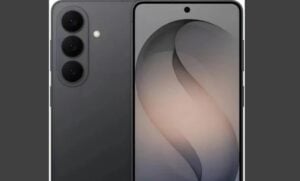
Unlike models in the Pro line, the new device features a single rear camera strategically positioned to minimize the protrusion on the rear glass panel. The chosen image sensor has high resolution and the ability to capture light in dark environments, compensating for the absence of auxiliary lenses through advanced computational processing.
The decision to remove the ultrawide and telephoto lenses was strictly based on the physical limitations imposed by the 5.5mm design. The inclusion of multiple camera modules would require an increase in the thickness of the device or create an unacceptable unevenness for the strict aesthetic and ergonomic standards established by the brand’s industrial design team.
Image processing software takes a central role in this generation, using machine learning algorithms to accurately simulate depth and optical zoom effects. The final quality of photographs and videos maintains the standard required by platform users, relying heavily on the power of the new image signal processor built into the system.
Advanced processing and machine intelligence
The smartphone’s processing core is powered by the A19 chip, manufactured with state-of-the-art lithography that guarantees energy efficiency and superior execution speed. Este semiconductor is specifically designed to handle complex artificial intelligence tasks directly on the device, without the need to constantly connect to third-party cloud servers.
Random access memory was set at 8 gigabytes, a fundamental technical requirement for the fluid functioning of the intelligence tools integrated into the mobile operating system. Esta capability enables simultaneous execution of multiple language models and real-time data processing, improving native virtual assistant responsiveness.


Intelligent functions range from the automated editing of texts and images to the predictive organization of user routines, based on the context of the device’s daily use. The operating system manages hardware resources dynamically, directing processing power only to the cores needed at each specific moment of the operation.
The security of data processed by artificial intelligence is guaranteed by an isolated secure enclave within the central processor itself. Personal information and usage patterns do not leave the device, ensuring user privacy while the system learns and adapts to your individual browsing preferences over time.
Display technology and visual efficiency
The front panel uses OLED technology with support for variable refresh rates, adjusting the fluidity of the screen according to the content displayed to save battery power. The glass protective layer has been reinforced with nanometer-scale ceramic crystals, offering greater resistance against accidental drops and scratches in everyday use. Color calibration and maximum brightness have been improved to ensure perfect readability even in direct sunlight, maintaining the visual fidelity characteristic of the American manufacturer’s displays in any lighting environment.
The edges around the screen have been reduced to the minimum possible, maximizing the usable viewing area without increasing the overall dimensions of the device in millimeters. The integration of facial recognition sensors and the front camera has been optimized in a smaller, more discreet cutout at the top of the luminous display. The screen’s touch controller operates at a very high sampling frequency, ensuring instant responses to user commands, a crucial factor for fluid navigation in the system and in applications that require high touch precision.
Global connectivity and transition to virtual networks
The device’s communication infrastructure consolidates the definitive transition to the eSIM standard in several international markets, completely eliminating the physical tray for telephone operator chips. Esta removal frees up valuable internal space that was repurposed by engineers to expand battery capacity and improve thermal dissipation flow from the central processor during heavy tasks. The integrated modem supports the fastest fifth-generation networks available, including millimeter wave bands for ultra-high-speed data transfers in densely populated urban areas. The new generation Wi-Fi antenna ensures more stable wireless connections with lower latency in home environments and congested corporate networks. The satellite location system has been enhanced to provide accurate coordinates even in remote regions, working in conjunction with the emergency messaging feature when there is no traditional cellular network coverage available in the area.
Sustainability in the supply chain
The smartphone’s manufacturing process uses recycled materials in unprecedented proportions, including rare earth metals recovered from old devices and low environmental impact aluminum in its casing. The product packaging has been completely redesigned to eliminate the use of single-use plastics, using only paper fibers from responsibly managed forests and recycled sources duly certified by international bodies.
Positioning in the mobile technology sector
The introduction of this ultra-thin model represents a strategic move to capture the attention of consumers seeking aesthetic innovation in a market saturated by traditional, thick designs. The device is positioned in a premium price range, reflecting the high costs of research, development and miniaturization of the high-performance internal components required for assembly.
Technology market analysts point out that the acceptance of this format will dictate design trends for the next generations of mobile devices in the global telecommunications industry. The manufacturer’s ability to deliver an extremely thin product without compromising structural durability or daily performance sets a new technical standard for direct competitors in the high-end segment.
Veja Tambem em News (EN)

Research reveals that parents are unaware of how their children use artificial intelligence

Samsung releases new system update with new features for Galaxy Watch 4 users

Digital retail reduces the value of the Galaxy S25 5G smartphone with bank bonuses and device exchange

Amazon’s wireless CarPlay adapter has a 50% discount and high approval ratings from drivers

Zach Cregger’s new Resident Evil ignores games and focuses on an unprecedented story with new characters

Rumor suggests that Nintendo is preparing a special edition of the Switch 2 with a remake of Ocarina of Time

Apple accelerates production of the iPhone 17e and develops new Air model with dual camera system

Epic Games platform releases twelve high-budget games at no permanent cost for PC users

PlayStation 5 Pro price drop accelerates digital retail sales and eliminates global stocks

New Galaxy Watch 9 firmware appears on server and confirms progress in software development

Apple’s commemorative project tests cell phone with 1.1 millimeter edge and curved screen for 2027