
Capcom sets schedule to release Resident Evil 9 and 10 along with new remakes of the franchise

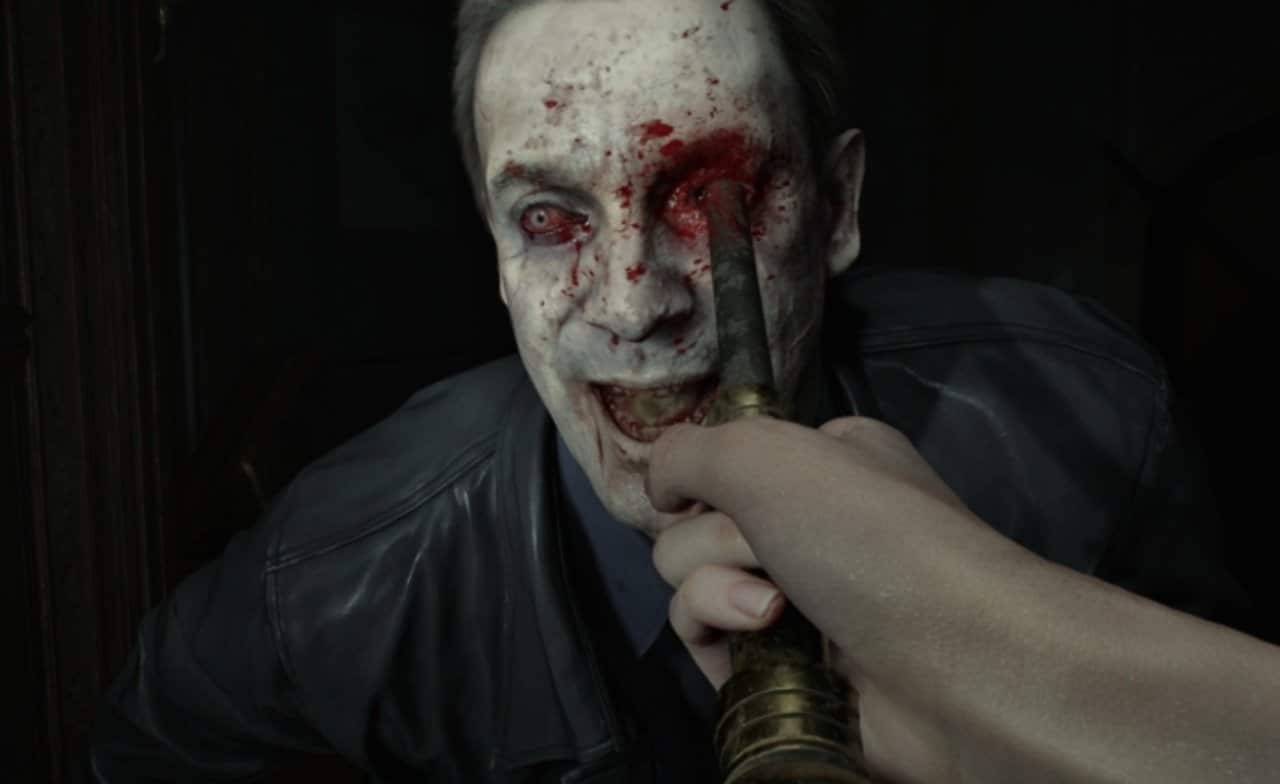
The Japanese video game producer has established a long-term plan for one of its most profitable intellectual properties. The company’s goal is to ensure a continuous flow of releases for the global digital entertainment market over the next decade.
The information details a roadmap that ranges from continuing the mainline survival horror series to revitalizing old titles. The corporation seeks to avoid long periods without news for consumers, maintaining the product’s relevance in a highly competitive sector.
To sustain this distribution cadence, the company restructured its internal departments and allocated significant financial resources. The goal is to attract new audiences while meeting the demands of veteran fans who have followed the saga since the first consoles.
Market strategy and distribution schedule
The developer’s management stipulated that the release window should operate with shorter intervals between major titles. Essa tactic aims to maximize quarterly profits and keep the value of the company’s shares stable on international stock exchanges.
The business plan involves a clear division between the studios that produce the unreleased sequences and those focused on recreating works from the past. Corporate management identified that nostalgia is as strong a sales conversion factor as technological innovation, justifying simultaneous investment in both work fronts.
To optimize the production process and guarantee the technical quality required by current hardware, the company implemented strict operational guidelines. Key measures taken by software engineering teams include:
- Standardization of three-dimensional animation tools.
- Sharing texture libraries between different projects.
- Continuous training of programmers in new code languages.
- Quality control tests carried out in early stages of development.
Development of new classic remakes
The department in charge of recreations confirmed that works launched in the early 2000s will undergo complete modernization processes. Títulos as Resident Evil Code: Veronica and Resident Evil Zero have been selected to receive visual and mechanical upgrades.
The producers decided to change the original fixed camera systems to over-the-shoulder third-person perspectives. Essa modification adapts the gameplay to contemporary industry standards, facilitating the immersion of users who have not experienced the initial versions.
Changes in the ninth chapter of the main series
The next new game in the franchise will introduce substantial changes to the way players interact with the virtual environment. The design team chose to implement wider exploration areas, bringing the game’s structure closer to an open world format.
The narrative will take the characters to geographic locations not yet explored in the official chronology, presenting biological threats with unpredictable behaviors. The developers created an improved artificial intelligence system for enemies, requiring more elaborate combat tactics from the user.
In addition to the mechanical innovations, the title will feature a dynamic dialogue system that reacts to choices made during progression. Essa functionality aims to increase the replayability factor, encouraging the community to discover different endings to the story.
Arc closure in the tenth game
The corporation’s internal planning points to 2029 as the scheduled release window for the tenth numerical episode of the saga. Este project is currently in the preliminary stages of artistic conception and scripting.
The creative direction established that this title will serve as the culmination of the narrative that has been built in recent editions. The objective is to tie up the loose ends of the plot and offer a definitive resolution for the current protagonists.
Despite marking the end of a cycle of stories, executives guarantee that the brand will continue to exist through new approaches in the future. The transition to a new phase of intellectual property will require the creation of new characters and different contexts than usual.
The budget allocated to this specific production is treated as the largest ever approved by the board for a single entertainment software. Features range from capturing motion with real actors to hiring symphony orchestras for the soundtrack.
Brand expansion to other media
The company’s licensing strategy goes beyond video game consoles and personal computers. The board of directors approved the expansion of the fictional universe to video streaming platforms, television channels and big-budget film productions. The intention is to transform intellectual property into a multimedia franchise capable of generating revenue through different content distribution channels.
Commercial agreements signed with Hollywood studios and animation producers guarantee the adaptation of original stories to new audiovisual formats. The brand management strictly supervises these partnerships to ensure that the visual identity and tone of psychological horror are maintained, avoiding the mischaracterization of the product in the eyes of loyal consumers who follow interactive launches.
Proprietary graphics engine update
The technological base that supports all these projects will undergo a profound structural reformulation in the coming months. The company’s in-house developed graphics rendering software will receive updates focused on real-time global illumination and advanced particle physics. Systems engineers work to optimize source code, allowing games to run at high frame rates even on mid-range hardware. Essa Technological evolution is essential to support the expansive scenarios planned for the next titles, ensuring that loading times are eliminated and the transition between environments occurs imperceptibly for the player. The updated tool will also make the work of digital artists easier by offering more intuitive interfaces for modeling characters and creating high-definition photorealistic textures.
Maintaining player engagement
To retain public attention between major releases, the company plans to distribute additional content via download and organize themed virtual events. Essas periodic updates correct programming flaws and add extra game modes, extending the commercial life of each product available in digital stores.
Restructuring of production teams
The expansion of the schedule required the hiring of hundreds of new professionals specializing in digital art, programming and sound design. The company opened auxiliary offices in different regions to accommodate the increase in staff and decentralize operational operations.
Human resources directors implemented flexible work policies to avoid physical and mental exhaustion of teams during project completion periods. Occupational health has become a corporate priority to guarantee the delivery of software within the deadlines stipulated by investors and shareholders.



