
Chile’s Ministry of Health orders the return of masks in hospitals and clinics by August due to the increase in respiratory viruses

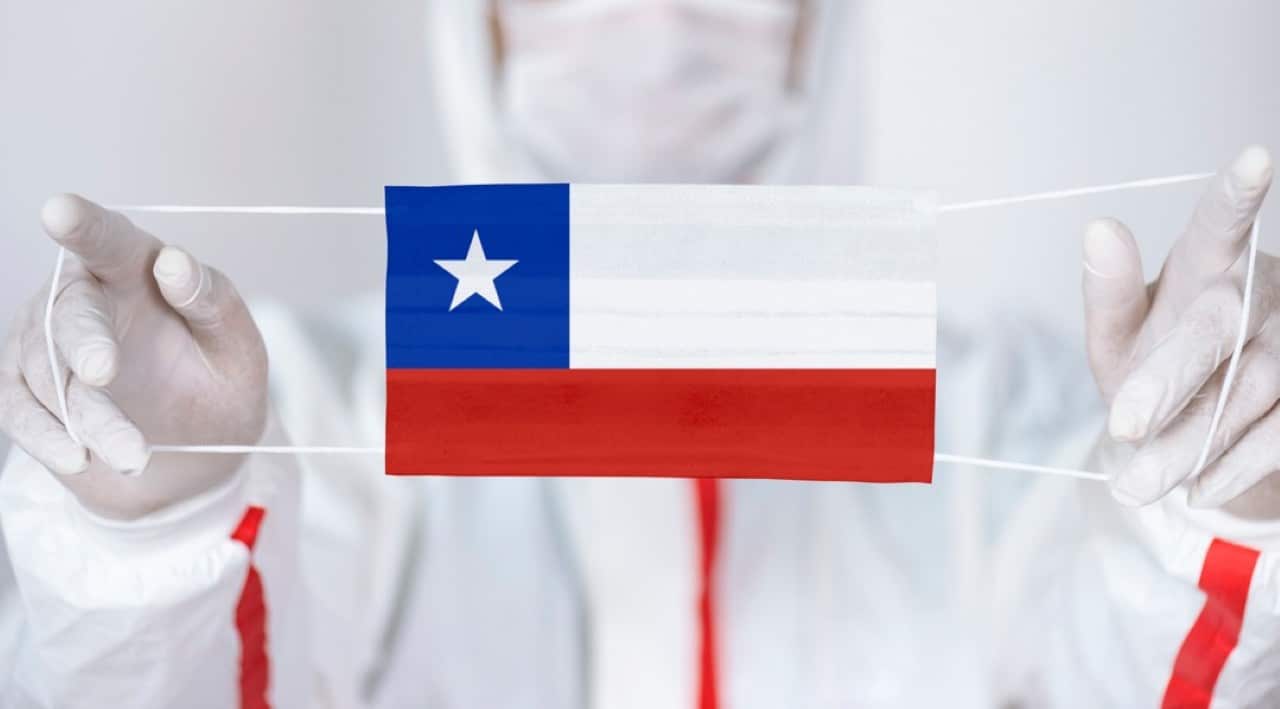
Ministério of Saúde of Chile announced the reinstatement of the mandatory use of masks in several health units across the country. The measure, which came into effect on April 1st and runs until August 31st, is part of a preventive strategy to contain the spread of respiratory diseases, which naturally intensify with the arrival of autumn and winter.
This decision reflects health authorities’ concern about the seasonal increase in respiratory viruses, a phenomenon observed annually that generates greater demand for health services. The obligation aims to protect the population and professionals in environments with a high risk of transmission.
According to the official statement from the Chilean authorities, the requirement to use masks covers specific environments considered to be more vulnerable:
The rule applies to everyone who circulates in these places, including doctors, nurses, patients, their companions, administrative employees and even students undergoing academic training in the health field.
Strategy for coping with the Chilean winter
The seasonal increase in respiratory viruses is a recurring challenge for the Chilean health system. With the change of seasons to autumn and winter, there has been a significant increase in the number of medical visits and hospitalizations related to conditions such as flu, respiratory syncytial virus and other acute respiratory infections.
Imposing the use of masks appears as an essential tool to mitigate the impact of this increase in cases. By reducing the spread of pathogens in hospital environments, the measure helps to reduce the overload of emergency services and ensure that care resources are available for the most serious cases.
Protective actions for patients and professionals
Segundo the undersecretary of Redes Assistenciais, Julio Montt, the main motivation behind the measure is to minimize transmission in places of high circulation and vulnerability. The decision seeks to create an additional barrier against infectious agents, protecting both those seeking treatment and those offering it.
The undersecretary of Saúde Pública, Alejandra Pizarro, reinforced the importance of action to safeguard the health of patients with delicate health conditions and all professionals working on the front line. The mask acts as a physical barrier that prevents the dispersion of respiratory droplets, essential in the transmission chain of many viruses.
The implementation of this obligation not only aims to protect individuals, but also seeks to prevent intra-hospital outbreaks, which can severely compromise the service capacity of health units. The measure is a fundamental pillar to maintain the system’s resilience in the face of seasonal pressures.
Recommendations expanded to the population
Além from being mandatory in specific healthcare environments, the Chilean government extended a series of recommendations for the use of masks in other everyday situations, aiming to expand protection at the community level. Tais suggestions are aimed at all citizens, regardless of whether they are in health units.
It is strongly advised that individuals who have flu or respiratory symptoms, even mild ones, use masks to avoid transmission to other people. The measure is crucial in closed and crowded environments, where ventilation is limited and close contact is inevitable, increasing the risk of contagion.
The use of protection is also recommended when coming into contact with people considered vulnerable, such as the elderly, young children and individuals with chronic illnesses or immunosuppression. Essas guidelines seek to foster a culture of collective responsibility in preventing respiratory diseases.
Other preventive measures continue to be constantly reinforced, including frequent hand hygiene with soap and water or alcohol gel, in addition to essential care when coughing or sneezing, covering the mouth and nose with the forearm or a disposable tissue. The collaboration of the entire community is crucial for the effectiveness of these public health actions.
Types of masks and their effectiveness
Para To ensure the effectiveness of the measure, the Chilean health authorities specified the types of masks that are considered suitable for complying with the obligation and general recommendations. Choosing the correct type of mask is essential to ensure the desired protection.
Surgical masks are recommended, which are single-use and designed to block large droplets and particles, protecting the user from inhaling sprays and splashes, as well as preventing the user from expelling their own droplets. Three-layer Máscaras is also an acceptable option, offering a similar level of filtration and barrier. Para superior protection in high-risk environments or for more vulnerable individuals, high-efficiency respirators are recommended, such as N95 and KN95 masks, which filter at least 95% of airborne particles.
Winter campaign and the epidemiological panorama
The initiative to reintroduce the mandatory use of masks is an integral part of the comprehensive Campanha of Inverno of Chile. Este program brings together a set of coordinated actions, ranging from intensified epidemiological surveillance to vaccination against flu and other respiratory viruses, all aimed at mitigating the impacts of winter diseases on the Chilean health system. Adaptability is a key feature of this campaign, and the mandatory use of masks may be reviewed before the deadline of August 31, if the country’s epidemiological conditions show a sustained improvement or, conversely, a worsening that requires adjustments to the measures. Continuous monitoring of incidence data, hospitalizations and ICU bed occupancy is crucial to inform these decisions, demonstrating an agile and evidence-based public health response. The recent global experience with pandemics has reinforced the importance of such non-pharmacological interventions in containing outbreaks, highlighting the vital role of masks in collective and individual protection, especially in scenarios of high viral circulation.
Historical context and lessons learned
Current public health decisions in Chile are deeply influenced by past experiences with outbreaks and pandemics. The memory of past challenges with seasonal respiratory illnesses and the recent COVID-19 pandemic have provided valuable lessons. The implementation of these measures reflects collective learning about the importance of prevention and rapid response.



