
Co-op executive director resigns after allegations of toxic culture and million-dollar losses

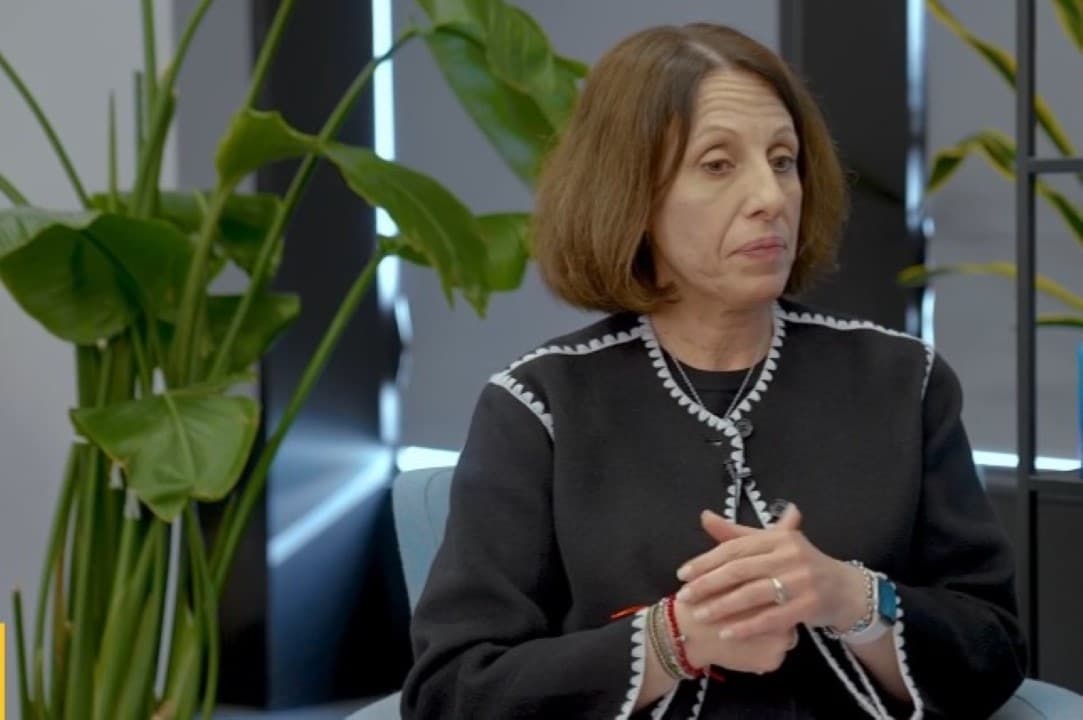
The executive director of the Co-op group, The decision comes just weeks after information detailing an alleged culture of fear and alienation that would even affect high-ranking employees of the British cooperative. Khoury-Haq, who joined the institution seven years ago and has held main leadership since 2022, will officially leave his role on March 29th.
The executive’s departure comes in a period of extreme financial fragility for the organization, which recorded a significant annual loss of 126 million pounds in the last fiscal year. Este negative scenario was worsened by a cyber attack that occurred in April 2025, which severely compromised the group’s operations and information technology systems. The incident resulted in the theft of data from approximately 6.5 million members of the cooperative, generating an unprecedented crisis of trust and operations in the institution’s recent history.
Institutional crisis and allegations of hostile management environment
The allegations that precipitated leadership instability indicate that senior executives felt intimidated and afraid to express differing opinions or concerns about the direction of the business. Relatos point out that the internal culture discouraged questioning the decisions made at the top, creating a distance between the official strategy and the operational reality of the service units.
Employees at management levels described situations of veiled punishment for those who tried to express criticism or suggest changes in the conduct of internal processes. Essa stance would have led to a succession of strategic errors, directly affecting team morale and resulting in abrupt resignations in key sectors of the company. The lack of transparent dialogue is pointed out as one of the factors that contributed to the drop in the cooperative’s efficiency.
- Reports of intimidation against senior managers.
- Difficulty in communication between management and operational bases.
- Loss of talent and high turnover in positions of trust.
- Questionable strategic decisions without due internal debate.
Financial impacts and consequences of the hacker attack on revenue
Co-op’s financial loss was not just limited to internal management problems, but was exacerbated by critical external factors that compromised global sales. The cyber attack suffered last year forced the preventive shutdown of several essential systems, which generated a direct impact of approximately £285 million on gross revenue. The interruption of services affected both the supply logistics and the service interface for the millions of members spread across the territory.
In addition to the immediate losses in sales, the company needed to invest significant resources in protective measures and rebuilding digital infrastructure to prevent further intrusions. The cost of remediation and legal support required following the massive breach of customer data has become an additional burden on the balance sheet. Analistas indicate that the recovery of the institutional image will be one of the biggest obstacles for the next administration that will take permanent command.
Transition of command and the search for strategic stability
With the scheduled departure of Shirine Khoury-Haq, the board of directors moved quickly to appoint Kate Allum as interim group CEO until a permanent replacement is chosen. Allum was already a member of the board as a director appointed by the members and has prior knowledge of the structural difficulties that the organization is currently facing. The new leadership’s immediate priority will be to calm the market and restore the trust of employees and the cooperative’s millions of member owners.
The resigning director stated in an official statement that the time is right for the transition, as the company is preparing to begin a phase of profound transformation. Segundo Khoury-Haq, the new stabilization plan requires a long-term commitment that goes beyond the period she originally intended to dedicate to the position. The chairman of the board, Debbie White, publicly thanked the executive for the services provided, highlighting her performance during the years of turbulence faced by the brand.
Co-op now focuses its efforts on implementing changes that reverse the food waste scenario and drop in operating profits reported in recent quarters. The strategy involves the modernization of digital security protocols and the complete review of human resources policies to eradicate practices identified as toxic in recent complaints. The market awaits the interim management’s next steps to assess whether the change in command will be enough to stem the group’s identity crisis.
History of activity and legacy of previous management
Shirine Khoury-Haq leaves Co-op after seven years of dedication to the company, the last three as executive director, where she faced global market challenges and internal crises. Durante During her time, she tried to modernize processes in an organization that has 180 years of history, but ended up running into governance difficulties that recently became public. The administration was marked by an attempt at technological expansion that, ironically, culminated in the vulnerability exploited by cybercriminals in the year 2025.
The cooperative’s membership-based ownership structure makes any leadership crisis a matter of public interest and high social sensitivity. Diferente of traditional publicly traded companies, Co-op responds directly to a membership base that demands simultaneous ethical transparency and administrative efficiency. The pressure from these members was essential for investigations into internal culture to take shape and result in the reformulation of the executive board announced this Thursday.
Digital security measures and member data protection
The response to the cyber attack continues to be a central point in discussions about the company’s future and the viability of its current business models. Após confirmed that the data of 6.5 million people had been accessed improperly, Co-op initiated an external audit process to identify the flaws that allowed the invasion. Este process is seen as essential to ensure that the transformation strategy mentioned by Khoury-Haq in his farewell letter has solid and secure foundations.
Investments in cybersecurity now consume a larger share of the budget, aiming to protect the infrastructure against new attempts at extortion or theft of confidential information. The new leadership will have the challenge of balancing these emergency expenses with the need to generate profits and distribute benefits to the cooperative’s members. Financial recovery directly depends on the company’s ability to restore full operation of its digital services without additional risks to users’ privacy.
Operational challenges and reducing waste in the food sector
One of the most critical points raised by the complaints concerns the sharp increase in food waste, which indicates serious failures in the supply chain and stock management. Especialistas from the industry suggest that the climate of internal fear prevented warnings about these inefficiencies from reaching decision makers in a timely manner. Correcting these processes is seen as one of the quickest ways to reduce financial losses and improve the group’s sustainability.
The interim leadership’s goal is to optimize logistics to ensure products reach shelves efficiently, minimizing losses that have drained resources over the past year. Internal reorganization must involve the creation of more robust and independent reporting channels, ensuring that no employee feels intimidated when reporting operational failures or inappropriate behavior by superiors. The success of this approach will be measured by the ability to reconnect the company’s culture with the original cooperative values of mutual aid and democratic management.
- Implementation of new stock management protocols.
- Creation of an independent ombudsman for employees at all levels.
- Review of contracts with technology and logistics suppliers.
- Launch of engagement campaigns to regain the trust of members.
Expectations for the future under the leadership of Kate Allum
Kate Ela inherits an organization that needs to reinvent itself to survive in an increasingly competitive and digitalized retail market, where ethical reputation weighs as much as the prices charged. The expectation is that Allum will present the first details of the transformation plan in the coming weeks, focusing on transparency and revenue recovery.
The cooperative movement closely follows developments at Co-op, as the institution is considered one of the pillars of this business model in the world. The outcome of this crisis will serve as a case study in how traditional organizations can deal with modern issues of corporate culture and digital security. Enquanto Therefore, members and collaborators await clear signs that toxicity allegations have been properly addressed and that the focus will return to serving communities and the group’s financial sustainability.



