
Confederation board vetoes slang in Brazilian team uniforms and demands Nike standard

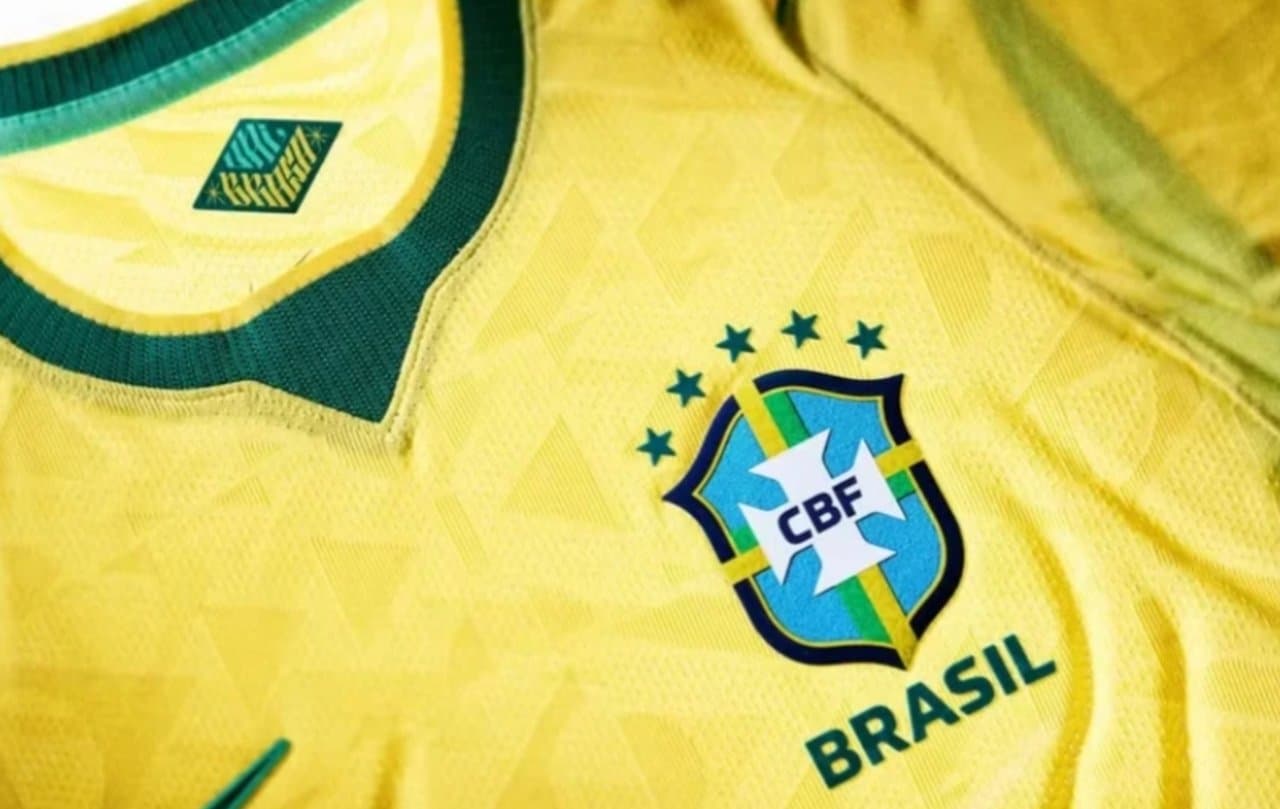
The highest management of national football determined the immediate change in the visual design of the main team’s new sports equipment. The measure directly affects the collection developed for the current season, which featured popular expressions printed on game and training pieces. The veto specifically focuses on removing any word that deviates from the country’s official nomenclature, barring attempts at linguistic modernization in official clothing.
The entity’s president, Samir Xaud, communicated the official decision to the North American manufacturer of sporting goods. The order establishes a ban on the informal term proposed for the shirts, shorts and socks that athletes would wear in upcoming international commitments. The central requirement is the replacement with traditional spelling recognized worldwide, maintaining the sobriety required for national representations.
The supplier had designed the layette with a focus on engaging younger audiences, using jargon from the stands. However, the administrative leadership assessed that the choice violated the representation protocols required for a five-time world champion team. The change needs to be implemented before the global distribution of products to retail and the delegation’s clothing department.
Dress Guidelines and Formal Requirements
The internal regulations that govern the visual identity of national teams tend to be strict regarding the elements allowed on uniforms. The confederation understands that the yellow shirt transcends the sporting aspect, functioning as a diplomatic and cultural symbol in broadcasts to more than two hundred countries. The presence of colloquial terms was interpreted as a deviation from this institutional formality, requiring direct intervention from managers.
The requirement for the country’s official name meets a historical standard maintained since the first decades of competitions organized by the international federation. The use of standardized spellings facilitates immediate identification by fans and referees of different nationalities during matches. The board reinforced that aesthetic innovation cannot compromise the clarity of the national brand on the pitch, prioritizing universal legibility.
Supplier strategy and public reaction
The original project for the sports brand was part of a marketing campaign structured around the concept of joy and irreverence associated with local football. The inclusion of the highlighted word, especially in the area of socks, aimed to create a direct connection with the language used on social media. The company was betting on the global trend of bringing sports design closer to urban lifestyle and contemporary casual fashion.
Despite the commercial intention, the leak of images generated intense debates on digital platforms and fan forums. The main points of questioning raised by the public included: – The appropriateness of slang in a uniform of historical weight; – The possible mischaracterization of the seriousness of the shirt due to excessive informality; – The perception of a forced attempt at modernization that ignored the tradition built over decades of victories.
Sports marketing experts noted that the strategy took a calculated risk by trying to change classic elements of one of the most famous shirts in the world. The mixed reaction from the fan base served as a thermometer for the confederation, which opted for a conservative stance to avoid damaging its image. The decision reflects the complexity of managing high-value-added sports properties.
History of changes in sports design
The evolution of football uniforms demonstrates a constant tension between respect for traditions and the need for commercial renewal. Nas Over the past few decades, manufacturers have introduced fabric technologies, anatomical cuts and subtle textures to differentiate annual collections. Contudo, typographic and nomenclature changes have always faced greater resistance from older federations.
European and South American teams often establish strict brand manuals that limit design agencies’ creativity. Esses documents specify everything from the exact color tone to the typographic font allowed for names and numbers. The inclusion of elements not foreseen in these manuals requires approvals from multiple management bodies, which often results in last-minute vetoes.
The current case illustrates the limits of flexibility granted to partner brands when developing conceptual campaigns. Enquanto football clubs have greater freedom to launch alternative uniforms with disruptive designs, national teams operate under a logic of representation of Estado. Essa fundamental difference restricts the scope of acceptable innovations in official tournaments organized by football’s highest governing body.
The standardization required by the board ensures that the equipment maintains its primary function of clear and unambiguous identification. Maintaining the traditional word reinforces alignment with global competition guidelines, where visual sobriety is often encouraged. The episode serves as a precedent for future design negotiations between the federation and its long-term sponsors.
Institutional positioning of management
President Samir Xaud’s demonstration demonstrated a zero tolerance policy towards changes that could create ambiguities in the international perception of the team. The current management has focused on restoring the prestige and seriousness of the institution, seeking to avoid unnecessary controversies that divert the focus from sporting performance. The veto of the informal term was treated as a matter of sovereignty over the brand itself, reaffirming that the final word on the team’s aesthetics belongs exclusively to the managing entity, regardless of the sponsor’s million-dollar investments.
The official communication highlighted that the long-standing partnership with the North American company remains solid, but that the limits of creative intervention need to be strictly respected. The confederation argues that the modernization of communication with younger fans must occur through advertising campaigns, digital activations and content production, and not necessarily by changing official game symbols. Essa separation between promotional material and field equipment establishes a clear boundary for the next product development cycles.
Repercussions on the sporting goods market
The recall and alteration of an advanced production line represents a significant logistical and financial challenge for the sporting goods industry. Making uniforms on a global scale involves months of planning, approval of prototypes, quality testing and distribution to thousands of points of sale around the world. The determination to replace the slang with the official name requires the interruption of factories, the reconfiguration of stamping machinery and, in many cases, the disposal of already finished batches that no longer meet the required specifications. Analistas from the sports retail sector point out that these last-minute route corrections generate unforeseen operational costs and can delay the official launch schedule in stores. Além of the financial impact, the episode raises discussions behind the scenes of sports marketing about the need to align cultural and institutional expectations in the initial phases of creative conception. The situation reinforces the importance of more agile and integrated approval committees between federations and brands, preventing concepts that are incompatible with tradition from advancing to the large-scale manufacturing phase.
Adjustments to the production line
The manufacturer is now concentrating its efforts to adapt the entire layette to the requirements documented by the confederation in the shortest possible time. New shipments of shirts, sweatshirts and training accessories must already have the correct spelling, ensuring that athletes enter the field with the approved visual standard. The retail distribution schedule will be revised to mitigate the lack of products on shelves during the period of greatest commercial demand.



